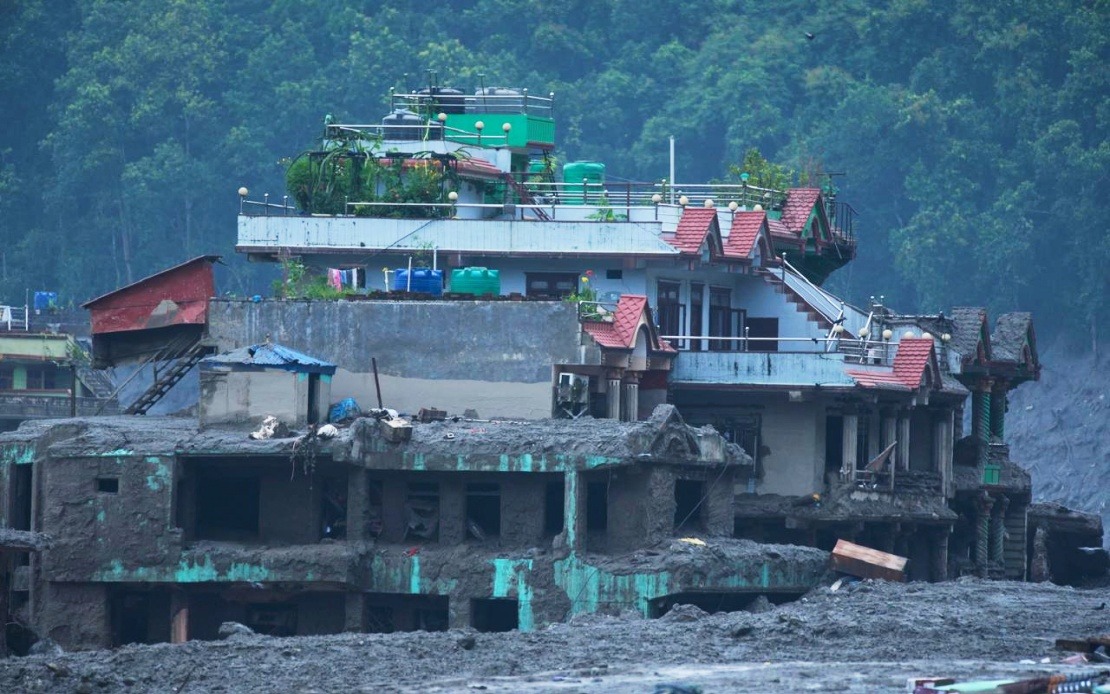
Singapore has mobilised diplomatic channels with Nepal and China following catastrophic flash floods that have left dozens of hikers missing near their shared border region. Prime Minister Lawrence Wong confirmed on Thursday that the Ministry of Foreign Affairs is actively engaging with both governments to provide consular support to affected Singaporeans and maintain communication with their families back home. The tragedy has prompted urgent humanitarian coordination across three nations as rescue operations continue in the treacherous Himalayan terrain.
Among the 47 hikers reported missing after the flash floods struck northern Nepal, two are believed to be Singaporean nationals. The missing group represents a diverse international contingent that also includes trekkers from Australia, Nepal, the United Kingdom, the United States and Russia, according to Himalayan Glacier Adventures founder and chief executive Sagar Pandey. This multinational composition underscores how popular trekking in Nepal's high-altitude regions has become for adventure tourists worldwide, and the indiscriminate nature of such natural disasters.
The scale of the humanitarian crisis extends beyond the missing hikers. Prime Minister Wong expressed deep sorrow over the loss of lives and widespread destruction inflicted by the floods along the Nepal-China border corridor. His statement reflected Singapore's formal expression of solidarity with both affected nations, extending condolences to bereaved families and acknowledging the extraordinary efforts being mounted by rescue teams and emergency personnel in difficult mountainous conditions.
The Singapore Ministry of Foreign Affairs has issued a formal advisory urging all Singaporeans currently in Nepal to exercise heightened vigilance and maintain strict awareness of their surroundings. The guidance specifically warns residents and visitors to avoid five identified flood-affected districts: Rasuwa, Nuwakot, Dhading, Gorkha and Chitwan. These areas, which span central and northern Nepal, have experienced the most severe impact from the flooding event and represent ongoing danger zones for the foreseeable future.
Beyond geographical warnings, the MFA advisory highlights the cascading disruptions typical of major natural disasters in mountainous regions. Roads have become impassable, transport networks are disrupted, communications infrastructure is compromised, and essential services including electricity, water and medical facilities are unavailable in affected zones. The advisory explicitly recommends that Singaporeans verify local conditions and weather forecasts before attempting any journeys, recognizing that rapid environmental changes in mountain terrain can develop with little warning.
The specific warning against proximity to water bodies deserves particular attention given the flash flood mechanism. Singaporeans have been advised to maintain distance from rivers, riverbanks, bridges and low-lying areas throughout the affected regions. Flash flooding in mountainous terrain occurs with terrifying speed as water accumulates from higher elevations and channels through narrow valleys, making even supposedly safe areas potentially lethal within minutes. The advisory reflects hard-won knowledge from previous disaster incidents in the region.
For Malaysian readers and businesses operating in Nepal, the incident carries relevant lessons about emergency preparedness and the vulnerabilities of popular trekking destinations. Nepal's tourism industry, a significant economic driver, faces periodic disruption from natural disasters. The incident also highlights the importance of travel insurance and proper expedition planning when visiting high-risk mountain environments, issues that affect Malaysian adventure tourists and tour operators equally.
The consular response orchestrated by Singapore's Ministry of Foreign Affairs demonstrates the mechanisms through which developed nations support citizens abroad during crises. The active liaison with Nepali and Chinese authorities, combined with next-of-kin notification and advisory updates, represents standard diplomatic protocol refined through numerous previous emergencies. However, the effectiveness of such coordination depends heavily on the responsiveness of local authorities and the accessibility of affected areas—challenges amplified in remote mountainous regions during active disaster situations.
The multinational composition of the missing hikers reflects broader patterns in regional tourism. Adventure seekers from wealthy nations increasingly undertake challenging treks in Nepal, drawn by world-class mountaineering opportunities and relatively affordable expedition costs. This concentration of international tourists in remote high-altitude zones creates vulnerability, as sudden environmental events can trap large groups far from immediate rescue infrastructure. The incident will likely prompt tour operators throughout Southeast Asia to reassess safety protocols and insurance coverage for international trekking expeditions.
International coordination mechanisms are being tested as Nepal manages the immediate crisis while simultaneously supporting rescue operations for foreign nationals. China's involvement, given that some flooding originated from its territory, adds another layer of bilateral cooperation. For Singapore, a small island nation without mountainous terrain, maintaining effective consular networks and rapid response capacity in such situations remains essential given the substantial number of its citizens engaged in international tourism and adventure activities.
Looking forward, the incident underscores the growing climate-related pressures affecting mountain regions. Increased precipitation intensity and glacier dynamics in the Himalayas have generated more frequent extreme flooding events. This environmental trend will likely increase the frequency of similar disasters in popular trekking zones, necessitating enhanced preparation, better early warning systems, and more robust international emergency response frameworks across South and Southeast Asia.

