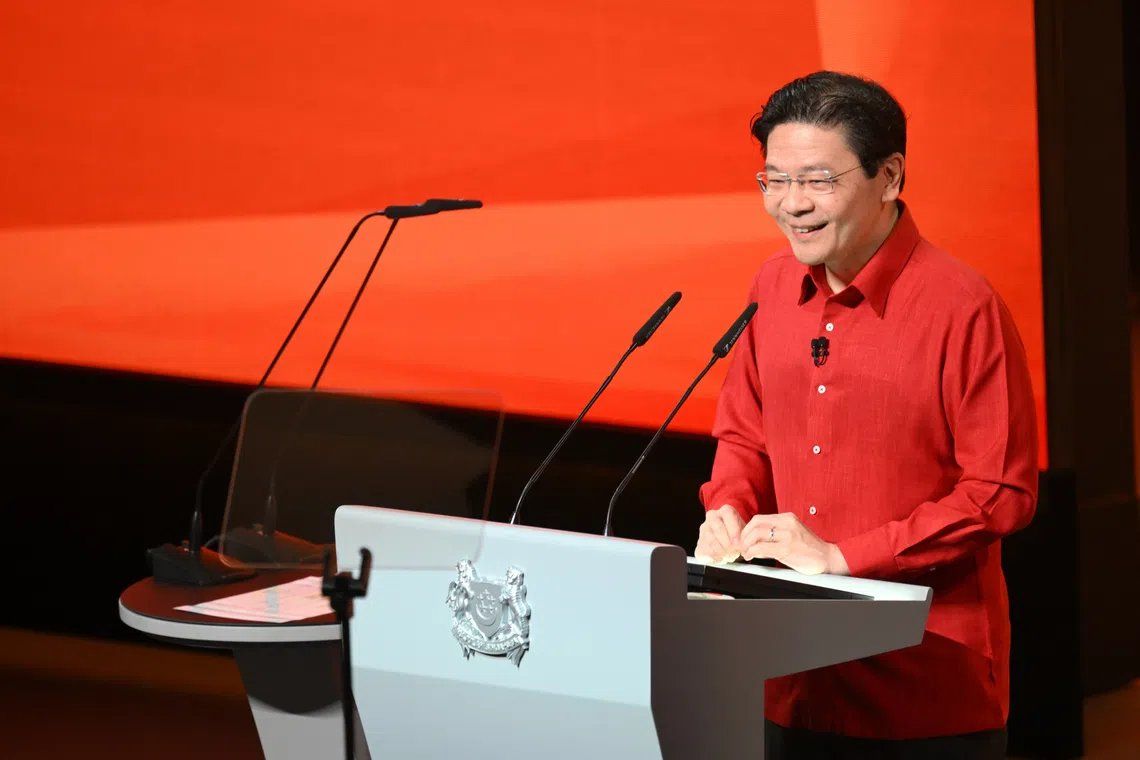
Singapore's police force has announced comprehensive traffic disruptions across multiple routes in the Ang Mo Kio district on Sunday, August 23, in preparation for Prime Minister Wong Keng Yeat's National Day Rally address. The closures, which will remain in effect from 5am through 11.59pm, affect several critical corridors near ITE College Central and are designed to manage the significant vehicular and pedestrian movement expected during this major national event.
The restricted zones encompass multiple slip roads and lane segments that serve as vital connectors in the Ang Mo Kio transportation network. Motorists will be unable to access the slip road transitioning from Ang Mo Kio Avenue 5 into Ang Mo Kio Drive, nor the reverse connection returning from Ang Mo Kio Drive to Ang Mo Kio Avenue 5. Beyond these complete closures, authorities have cordoned off specific lanes rather than entire roads, including the extreme left lane of Ang Mo Kio Avenue 5 heading toward the Central Expressway between designated lamp posts, and the extreme right lane in the direction of Ang Mo Kio Avenue 8. Such selective lane closures preserve some traffic flow while still creating controlled perimeters around the event venue.
Access to the affected areas will be strictly limited to authorised vehicles, alongside police and emergency services, ensuring that essential security and medical support can respond rapidly if needed. The police announcement, made via Facebook on August 21, emphasises that enforcement will be rigorous throughout the day. Officers, auxiliary personnel, and security staff will be stationed along all impacted roads to manage traffic flow and guide motorists toward alternative routes. This visible presence serves both a practical function—helping drivers navigate the disrupted network—and a deterrent purpose, discouraging illegal parking and obstruction.
Parking violations in these zones will be treated with zero tolerance, with the police explicitly warning that illegally parked vehicles will be towed without exception. This strict approach reflects Singapore's established traffic management protocols during major state events and underscores the importance placed on maintaining clear emergency and security corridors. Residents and regular commuters through Ang Mo Kio can obtain detailed information about specific alternative routes and the exact boundaries of closed zones by telephoning 1800-218-0000, a dedicated police hotline established for public inquiries related to the rally.
Prime Minister Wong's address will commence at 6.45pm, beginning with remarks delivered in Malay, the national language, before transitioning to Mandarin Chinese at approximately 7.30pm. The English-language segment, catering to Singapore's multilingual population and international audience, will commence at 8pm. This trilingual approach reflects Singapore's diverse demographic composition and the rally's purpose as a comprehensive national communication event, ensuring that citizens of all linguistic backgrounds receive the prime minister's message directly in their preferred language.
The broadcast will be carried across Singapore's terrestrial television channels and radio stations, guaranteeing near-universal domestic reach. Additionally, digital streaming through YouTube channels maintained by both PM Wong and the Prime Minister's Office will enable real-time viewing for audiences preferring online platforms. For citizens unable to attend live viewings, recordings will become available on both YouTube and the official Prime Minister's Office website beginning August 24, extending access beyond the initial broadcast window.
The National Day Rally represents a cornerstone of Singapore's political calendar, functioning as the primary occasion for the prime minister to present a comprehensive assessment of national progress, articulate governmental policy directions, and frame emerging challenges confronting the city-state. Beyond ceremonial functions, the address typically contains substantive announcements regarding economic initiatives, social policies, and strategic priorities that shape public discourse for the ensuing year. The August 23 event marks Wong's third National Day Rally since assuming the premiership, positioning this year's speech as an opportunity to consolidate policy themes and demonstrate continuity in his administration's vision.
For Malaysian readers, Singapore's meticulous approach to traffic management during major events offers instructive parallels with domestic considerations. The precision with which Singapore authorities coordinate road closures, alternative routing, and public communication reflects broader governance practices that Southeast Asian administrations increasingly seek to emulate. The region's growing urban density and vehicular congestion necessitate similarly coordinated traffic strategies during significant public gatherings, whether national celebrations, religious observances, or political assemblies. Singapore's experience demonstrates how comprehensive advance notice, dedicated communication channels, and visible enforcement mechanisms can minimise disruption while maintaining public order.
The timing of the rally in late August situates it within the broader calendar of Southeast Asian national observances, falling between Malaysia's Merdeka Day in August and various other regional commemorative events. The National Day Rally's position as Singapore's premier annual political address underscores the comparative weight placed on prime ministerial communication across different political systems in the region. While Malaysian national addresses follow different ceremonial protocols and timeframes, the underlying function—using a designated national occasion to reset political and policy narratives—remains consistent across Southeast Asian democracies.
Motoring organisations and commuters planning travel through Ang Mo Kio on August 23 should anticipate extended journey times and exercise heightened flexibility in scheduling. The fourteen-hour closure window necessitates early planning, with individuals requiring passage through the district advised to either complete essential travel before 5am or defer movements until after midnight. Bus services operating through the affected corridors may experience delays, though public transport operators typically maintain service continuity through alternative routing despite road closures. The police hotline remains available for granular queries regarding specific routes, making it a valuable resource for residents and regular users of the Ang Mo Kio transport network seeking to minimise disruption to their daily schedules.

