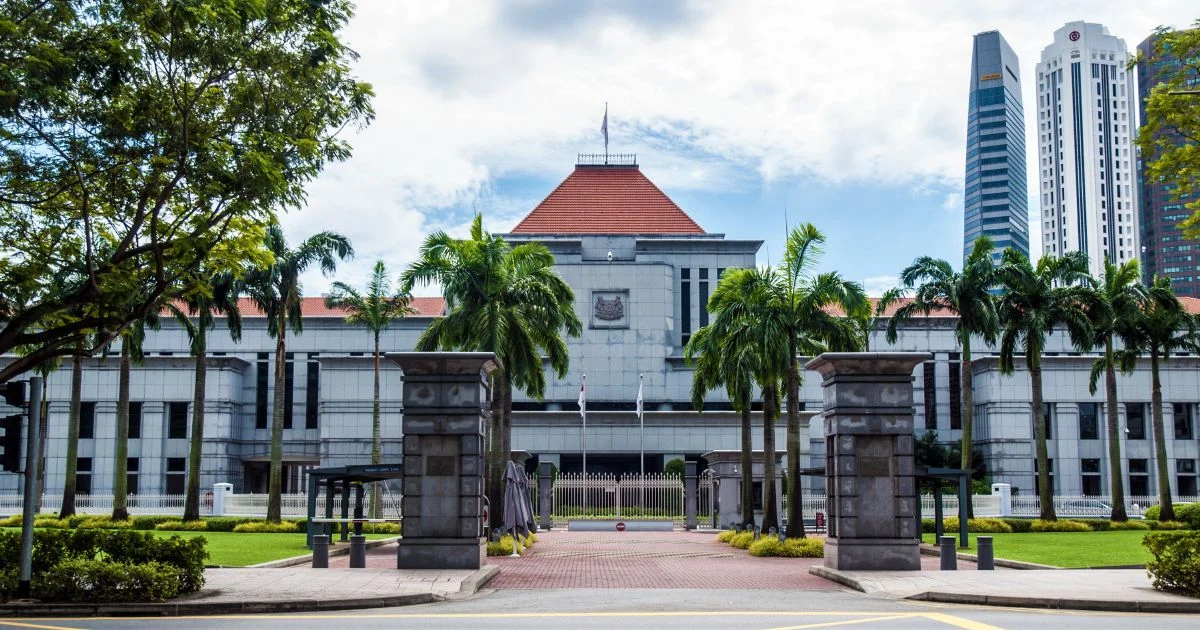
Singapore's police force has apprehended a 40-year-old male suspect in connection with a pair of anonymous bomb threats directed at two significant government installations. The suspect was detained following an investigation into the threatening communications received at Parliament House and the Home Team Science and Technology Agency (HTX) office, authorities confirmed this week.
The arrest marks a swift response to the threat incidents, which had raised security concerns around critical national institutions. Parliament House and HTX both serve important functions in Singapore's government and security apparatus, making threats against these facilities a matter of serious concern for law enforcement.
Bomb threats targeting high-profile government sites remain rare in Singapore, a country known for its stringent security measures and low crime rates. When such incidents do occur, they trigger immediate and comprehensive police investigations, and the rapid apprehension of a suspect demonstrates the efficiency of local security agencies in responding to potential threats.
The nature and content of the specific threats have not been fully disclosed to the public, which is standard practice in active investigations involving security matters. Police typically withhold details about the exact language used in threatening communications to avoid compromising ongoing enquiries and to prevent copycat threats.
Singapore's security infrastructure, including its police force and intelligence agencies, operates within a comprehensive regulatory framework designed to detect and prevent threats to public safety and government institutions. The Home Team Science and Technology Agency itself plays a crucial role in developing and deploying technology solutions for security and law enforcement purposes across the island nation.
Parliament House, as the seat of Singapore's legislature, represents a high-value target in terms of security considerations. Any threat directed at the institution receives immediate escalation within law enforcement hierarchies, triggering protocols designed to neutralize potential dangers and protect the premises and personnel within.
The investigation leading to the arrest likely involved analysis of communications, digital forensics, and traditional investigative techniques to trace the origins of the threats. Singapore's relatively small and densely monitored population can facilitate investigative work, along with sophisticated surveillance and telecommunications monitoring capabilities at the disposal of authorities.
The case reflects broader global trends in how law enforcement agencies respond to online and telephonic threats made against government targets. What distinguishes Singapore's response is the typically rapid resolution, reflecting well-resourced police capabilities and organized security protocols.
For Malaysian readers, the incident underscores the importance that neighbouring countries place on preventing threats against critical government infrastructure. Singapore's swift arrest and prosecution approach contrasts with challenges faced in larger, more populous regions where investigation timelines may extend considerably.
The broader implications for Southeast Asia centre on how nations in the region balance security with openness. Singapore's model demonstrates that comprehensive surveillance and rapid-response investigative capabilities can result in quick apprehension of suspects, though such approaches require sophisticated institutional frameworks and significant resource allocation.
Citizens of Singapore and visitors to the country should note that making bomb threats or terroristic threats carries severe penalties under local law. The Penal Code provisions addressing such offences typically result in substantial prison sentences, reflecting the seriousness with which authorities treat these matters.
The police statement did not provide details about potential charges the suspect might face or indicate whether additional offences might be considered. Investigations into security-related threats often uncover related matters requiring further examination, and authorities typically proceed methodically through the judicial process.
This incident serves as a reminder that government institutions across Southeast Asia remain potential targets for those wishing to cause disruption or fear. The speed of Singapore's response demonstrates the value of maintaining robust security infrastructure and investigative capacity to address such threats effectively and protectively.

