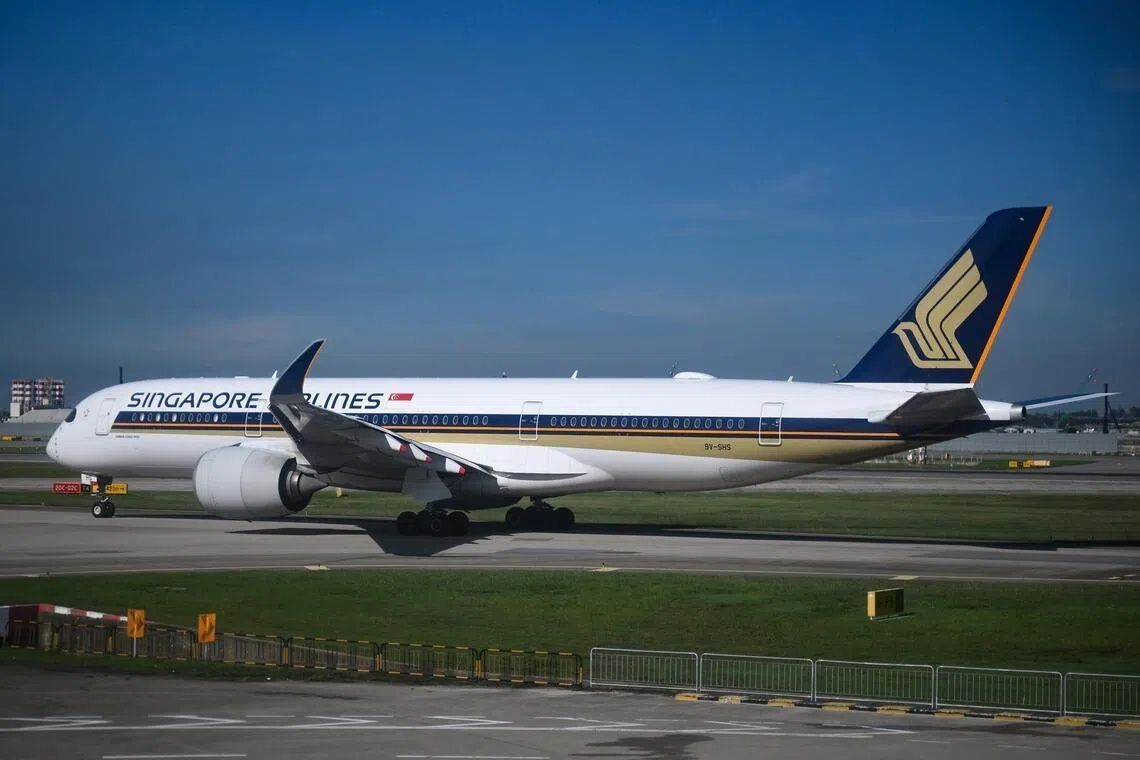
The approaching Typhoon Noul has disrupted air travel across Southeast Asia and southern China, with major carriers scrambling to cancel and reschedule flights ahead of the storm's expected arrival in the Hong Kong and Guangdong region. Singapore Airlines and Cathay Pacific announced significant flight cancellations on Saturday and Sunday as meteorological authorities warned of imminent severe weather conditions, signalling a broader disruption to regional connectivity during what is typically a busy travel period for the region.
Singapore Airlines issued formal notification on July 25 of three cancelled services, moving quickly to manage passenger expectations before the typhoon's arrival. The affected routes included the Singapore-Shenzhen service SQ856 on July 25, the return flight SQ855 from Shenzhen on July 26, and the Hong Kong-Singapore flight SQ899 scheduled for July 26. The airline's decision to cancel these services rather than attempt operations reflects the severity of weather forecasts for the critical two-day window when Typhoon Noul is expected to reach its peak intensity across the region.
Cathay Pacific implemented an even more comprehensive operational pause, cancelling all flights scheduled to arrive at or depart from Hong Kong International Airport between 1:15am and 6pm on July 26. This represents a substantial disruption to one of Asia's busiest aviation hubs, affecting not only regional traffic but also long-haul services that connect through Hong Kong. The Hong Kong-based airline indicated that a limited number of additional flights would experience delays rather than outright cancellations, suggesting some flexibility in the operating window outside the worst period of the storm.
For passengers inconvenienced by these cancellations, both carriers have established protocols to minimise financial loss. Singapore Airlines is offering full refunds for the unused portions of tickets, providing affected travellers with options to either recover funds or rebook on alternative services. Those who purchased tickets through travel agents or codeshare partners face a slightly different process, requiring them to contact their original booking source directly for assistance. This arrangement, while standard in the industry, places additional responsibility on intermediaries to process rebooking requests during what is inevitably a high-volume period.
The meteorological basis for these precautionary measures is substantial and well-documented. China's National Meteorological Center forecasts Typhoon Noul will make landfall along the coast between Hong Kong and Guangdong province sometime between the evening of July 25 and the morning of July 26. The expected conditions include torrential rainfall and destructive gale-force winds, the combination of which poses genuine hazards to aircraft operations and ground infrastructure. Such forecasts from Chinese meteorological authorities carry considerable weight throughout the region and inform decision-making by international carriers operating in the area.
The scale of preparation by local authorities underscores the severity of the threat. Chinese state media reported that more than 20,000 people had been evacuated from vulnerable areas in Guangdong province by late July 24, reflecting standard but substantial disaster preparedness measures. These evacuations typically concentrate on coastal zones and areas prone to flooding, where typhoon impacts are most severe. The proactive relocation of civilians demonstrates that the threat assessment extends well beyond the aviation sector to encompass broader public safety concerns.
For Malaysian travellers and businesses with connections through Hong Kong or Shenzhen, the disruptions carry practical implications. The Hong Kong route in particular serves as a major hub for onward connections throughout Asia, and delays or cancellations can create cascading effects across multiple itineraries. Malaysian-based passengers with bookings on affected services should immediately contact their airlines or travel agents to understand rebooking options, as popular alternative routes may fill quickly during a major regional disruption.
The economic impact of such disruptions, while temporary, reflects the vulnerability of regional aviation networks to severe weather events. Airlines typically absorb substantial costs when forced to cancel flights, including crew repositioning, ground handling adjustments, and commercial losses from rebooking passengers on competitors' services. Freight operations are equally affected, particularly for time-sensitive shipments that cannot simply wait for the next available flight. For the regional logistics and trade networks that depend on consistent air cargo capacity, such weather-related interruptions represent a recurring operational challenge.
The cancellations also highlight the interconnected nature of Southeast Asian aviation. Singapore's position as a major air hub means that disruptions in adjacent regions ripple through its own networks, affecting not only direct regional flights but also the international connections that pass through Changi Airport. Airlines must balance operational safety with commercial pressures to maintain connectivity, a calculation that meteorological authorities help inform but that ultimately rests with individual carriers and their risk assessments.
As Typhoon Noul approaches its forecast landfall, further cancellations appear likely despite the announcements already made. Airlines maintain 24-hour monitoring of weather developments and typically issue updated travel advisories as conditions evolve. Passengers are advised to monitor official airline websites and contact customer service directly rather than relying on earlier announcements, as flight schedules may change multiple times during the critical period. The volatility surrounding typhoon landfalls means that travel planning during such events requires flexibility and regular engagement with airline updates rather than assumption that published schedules will remain stable.

