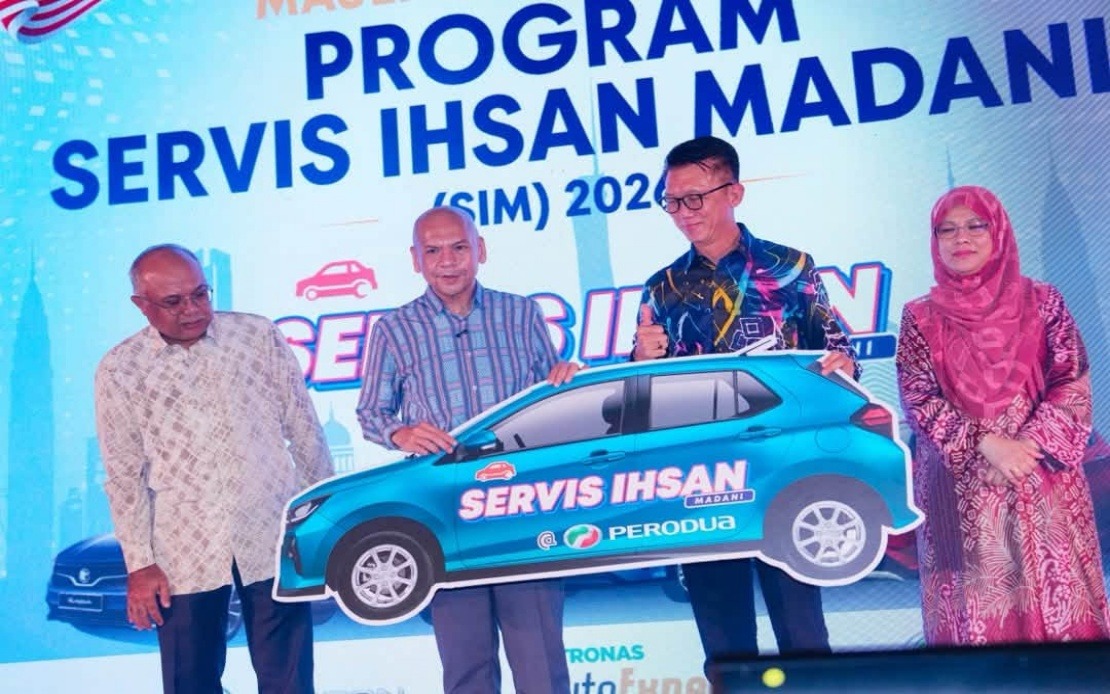
The Ministry of Domestic Trade and Cost of Living has widened its reach under the SIM programme, bringing automobile maintenance relief to owners of Perodua and Proton vehicles nationwide. The move, announced by Minister Datuk Armizan Mohd Ali in Putrajaya on August 27, signals a concerted government effort to ease the financial burden on Malaysian motorists whilst simultaneously encouraging regular vehicle servicing habits across the nation's car-owning population.
Under the expanded scheme, which takes effect during the National Month 2026 period, eligible customers will receive a RM70 subsidy when they service their vehicles at participating outlets. The subsidy applies across a sprawling network of 531 service centres and workshops spread throughout the country. This infrastructure includes 221 Perodua service locations, 186 Proton service establishments, and 124 PETRONAS AutoExpert workshops, creating comprehensive geographic coverage that extends from urban centres to more remote regions. The scale of this initiative underscores the government's commitment to making the benefit accessible to as broad a cross-section of vehicle owners as practicable.
To access the RM70 subsidy, motorists need only arrange their appointments through the mobile applications operated by each service provider. This digital-first approach streamlines the booking process and reduces administrative friction, allowing consumers to secure their maintenance slots conveniently from their smartphones. The integration with existing service provider apps means that vehicle owners need not navigate a separate government portal, potentially increasing uptake among less tech-savvy segments of the population by leveraging platforms they already use regularly.
Armizan positioned the programme expansion within the broader Payung RAHMAH MADANI initiative, emphasising that such measures reflect the government's determination to operationalise the Malaysia MADANI philosophy of shared prosperity. He articulated the dual purpose of the scheme: first, to provide tangible financial relief that reduces the out-of-pocket costs families incur when maintaining their vehicles, and second, to foster a culture of preventative maintenance. By making regular servicing more affordable, the government hopes to encourage vehicle owners to adhere to recommended maintenance schedules, thereby reducing the likelihood of mechanical failures that could compromise safety or result in costlier repairs down the line.
The automotive sector in Malaysia has long grappled with the challenge of deferred maintenance, particularly among price-sensitive consumers who prioritise immediate expenses over preventive care. By subsidising routine servicing, the initiative addresses a genuine market inefficiency where individual rational choices—delaying maintenance to save money—collectively produce suboptimal outcomes in terms of vehicle safety and longevity. This represents a pragmatic recognition that price-based incentives can meaningfully shift behaviour in ways aligned with both consumer welfare and public safety objectives.
The timing of this expansion merits consideration. By implementing the RM70 subsidy during National Month 2026, the government ties this consumer benefit to the nation's celebrations of National Day and Malaysia Day, framing vehicle maintenance subsidies as part of the broader national narrative. This bundling of policy announcements with patriotic observances creates symbolic weight around government initiatives, though the practical impact on vehicle owners—the RM70 rebate—remains the primary material consideration.
Beyond the automotive maintenance component, the government is orchestrating a broader Payung RAHMAH MADANI programme that extends across multiple sectors of the economy. These complementary initiatives include the National Month RAHMAH MADANI Sales Programme and various competitive elements designed to engage the public around themes of national pride and economic benefit. This multipronged approach suggests that the government views cost-of-living relief not as a single intervention but rather as an ecosystem of mutually reinforcing policies.
A particularly noteworthy element of this wider initiative is the Jualan Ihsan RAHMAH 9.9 online sale, scheduled for September 9 and operated through TikTok Shop Malaysia. This e-commerce promotion will offer discounts ranging from 10 to 30 per cent on selected essential goods, extending government-supported price relief into the digital retail space. Prime Minister Datuk Seri Anwar Ibrahim previously endorsed this initiative, mobilising support from multiple government ministries and private sector partners to maximise the reach and benefit of the promotion.
For Malaysian consumers navigating an environment of persistent inflation and cost pressures, these initiatives collectively represent an attempt to provide near-term relief across multiple essential expenditure categories simultaneously. Vehicle maintenance, groceries, and household essentials form a substantial portion of household budgets, particularly for middle and lower-income families. By targeting multiple categories concurrently, policymakers signal recognition of the multifaceted nature of cost-of-living pressures facing ordinary Malaysians.
The expansion of the SIM scheme to encompass Perodua and Proton—Malaysia's domestically-owned automotive manufacturers—also carries implications for these companies' competitive positioning. By integrating their service networks into a government-subsidised maintenance programme, both manufacturers gain an avenue to strengthen customer loyalty and potentially increase service centre traffic. For consumers, the subsidy effectively reduces the total cost of ownership for these vehicles relative to imported brands not included in the scheme, subtly influencing market dynamics in favour of domestic manufacturers.
Looking forward, the success of this expanded SIM programme will depend on several factors, including the efficiency of the booking systems across different service providers, the actual take-up rate among eligible vehicle owners, and whether the RM70 subsidy sufficiently incentivises behaviour change among motorists. Additionally, the sustainability of such subsidies merits consideration, particularly given their fiscal implications for the government budget. Nevertheless, from a policy perspective, the expansion represents a deliberate attempt to translate broad-based development rhetoric into concrete consumer benefits.

