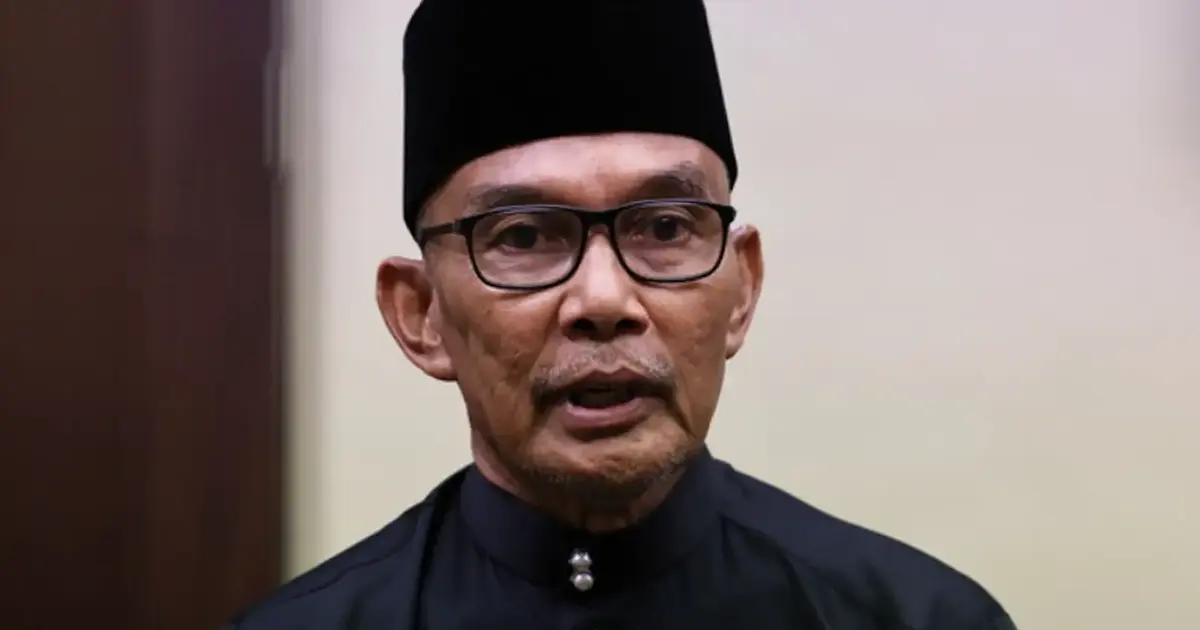
The former menteri besar of Perlis, Shukri, has publicly refuted suggestions that he orchestrated or encouraged a boycott of PAS party activities, even as he acknowledged harbouring deep personal hurt over his ouster from the state's top administrative post. His statement comes amid mounting speculation within political circles that disgruntled party members in the northern state have been reluctant to participate in organisational events and machinery strengthening exercises, a pattern some observers had attributed to Shukri's influence.
Shukri's clarification represents an attempt to distance himself from allegations that could be construed as working against the party that elevated him to prominence. The timing of his denial is significant, occurring at a period when PAS faces scrutiny over internal cohesion and member retention across several states where the party holds administrative power. In Perlis particularly, where PAS commands substantial political influence, any suggestion of internal fracturing carries implications for the party's capacity to mobilise support in future electoral contests.
Despite his categorical denial, Shukri did not shy away from expressing genuine disappointment regarding his removal from the menteri besar position. He characterised his feelings as unresolved, indicating that the emotional wound from his political displacement remains raw. This acknowledgment is politically significant because it demonstrates that while Shukri may not be actively working against PAS through organised boycotts, his evident discontent could still affect party dynamics through more subtle mechanisms of disengagement or limited cooperation.
The distinction Shukri has drawn—between feeling injured and actively undermining the party—reflects a common dynamic in Malaysian politics where removed leaders must navigate the tension between personal grievance and organisational loyalty. By explicitly denying any instigation of boycotts or deliberate attempts to weaken PAS machinery, Shukri has attempted to maintain a modicum of standing within the party structure while simultaneously signalling that his removal was unjustified and emotionally damaging.
Perlis holds particular relevance in the broader Malaysian political landscape as one of the states where Islamic-focused parties exercise considerable governance authority. The stability and internal health of such parties carry wider implications for how Islamist politics functions across the peninsula. Any internal tensions within PAS's state leadership could theoretically influence the party's performance in federal-level politics and its collaborative arrangements with coalition partners at the national level.
The allegations of boycott activity, whether substantiated or not, suggest that rank-and-file PAS members in Perlis may harbour concerns about how leadership transitions were handled. Shukri's removal, presumably decided by higher party echelons, appears to have generated sufficient discontent that observers have speculated about membership withdrawal from party activities. Whether this represents organised action or passive dissatisfaction remains unclear, but the very emergence of such rumours indicates reputational damage that party leadership would prefer to avoid.
Shukri's position is further complicated by the reality that his denial, while absolute regarding organised boycotts, does not address whether his private communications or expressions of grievance have informally influenced member sentiment. In Malaysian politics, where informal networks and personal relationships significantly shape political behaviour, an alienated former leader—even one who stops short of explicit calls for boycotts—can influence organisational participation through channels that remain technically deniable.
The Perlis situation also reflects broader challenges facing Islamic parties in Malaysia as they transition between leaders and manage succession within state governments. The apparent difficulty in executing such transitions smoothly, without generating ripple effects throughout the membership base, suggests underlying structural issues regarding how leadership changes are communicated to grassroots party members and how departing leaders are integrated into post-removal political roles.
For Shukri personally, his statement serves multiple purposes: it prevents his removal from being weaponised against him as evidence of disloyalty to PAS, it preserves theoretical pathways for future political rehabilitation within the party structure, and it publicly articulates that his hurt feelings, while genuine, do not constitute grounds for suspecting him of active sabotage. However, the very need to make such clarifications suggests that trust between Shukri and the party hierarchy may have been substantially eroded.
The broader implication for Southeast Asian observers is that Malaysian Islamic parties, despite their institutional strength in certain states, continue to grapple with succession management and internal cohesion challenges that afflict many regional political organisations. The Perlis episode, though seemingly parochial, illustrates how leadership transitions in Malaysia's competitive political environment can generate lasting friction and require careful communication management to prevent membership disaffection from materialising into tangible organisational consequences.

