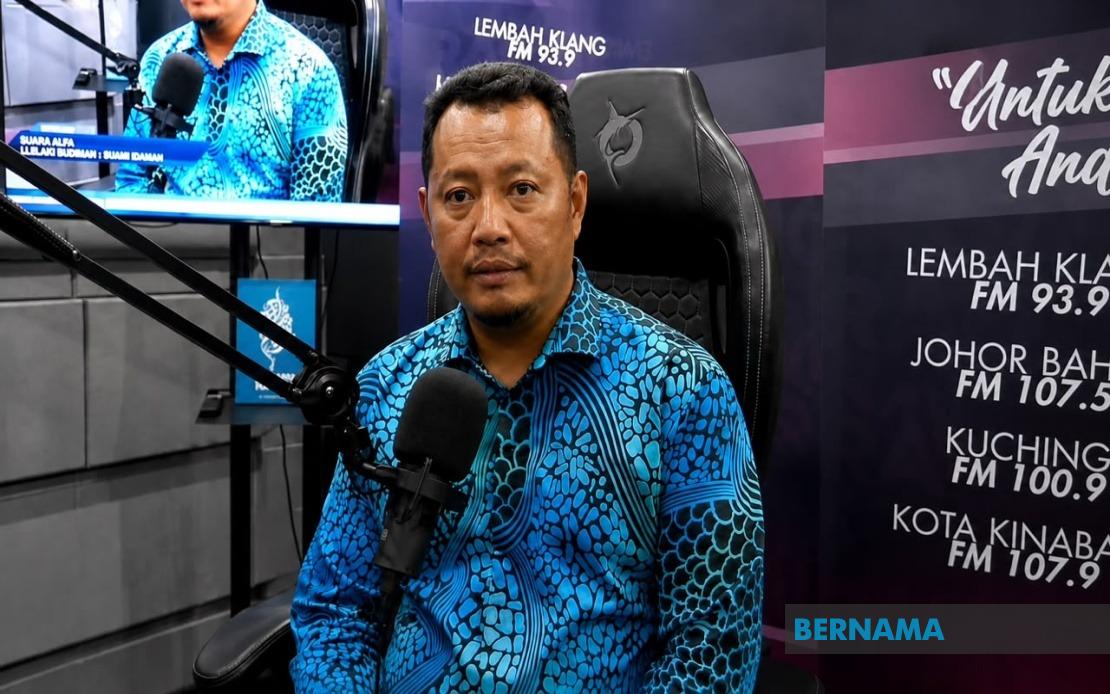
The qualities that distinguish a responsible man must be cultivated deliberately from the earliest years of a child's life, particularly during the formative stages of childhood and adolescence. According to the National Population and Family Development Board (LPPKN), this foundational work creates men capable of becoming pillars of strength within their families and contributing members of the wider community. Speaking to Bernama Radio's Suara Alfa programme in a segment titled "Lelaki Budiman: Suami Idaman", Md Noh Saiman, chief assistant director of LPPKN's Counselling and Intervention Unit, outlined how the family environment shapes the character of future generations and why deliberate parental engagement remains essential in Malaysia's contemporary society.
The development of masculine character hinges fundamentally on the household dynamics that children experience during their formative years, with parental conduct serving as the primary blueprint for adolescent development. Md Noh emphasised that observation and imitation form the core mechanism through which children absorb values and behavioural patterns. Young people absorb far more than explicit instruction when they witness their parents navigating family responsibilities, managing conflict, and demonstrating integrity in daily interactions. This process of silent learning, where children internalise the unspoken lessons demonstrated through parental actions, becomes embedded in their psychological frameworks and later manifests in their own approach to relationships and community engagement. The implications are significant: parents who consciously model responsibility, honesty, and emotional intelligence create a generational advantage that extends beyond their immediate household.
The contemporary understanding of what constitutes a gentleman extends considerably beyond superficial courtesy or romantic gestures, a distinction that carries weight in cultures where masculine identity remains subject to rapid social redefinition. The concept encompasses authentic sincerity, unwavering honesty, and a willingness to shoulder responsibilities rooted not in expectation of recognition but in genuine commitment to family welfare. This distinction matters because it shifts focus from performative masculinity—behaviour designed to impress or gain approval—toward substantive character that prioritises family stability and emotional presence. Malaysian families increasingly navigate questions about masculine roles as economic participation patterns shift and women's workforce engagement expands, making clarity around this definition particularly relevant to contemporary household discussions.
Practical support in household management and childcare represents one of the most meaningful expressions of responsible partnership, according to LPPKN leadership. When husbands actively engage in domestic responsibilities—whether through meal preparation, educational support for children, or management of family logistics—they create space for their partners to pursue professional ambitions and personal development with greater confidence and security. This collaborative model fundamentally reshapes family dynamics from a hierarchical structure toward a partnership framework where both parties contribute according to capability rather than rigid gender prescription. For Malaysia's aspirational middle class and professional families, this reframing addresses a genuine tension between traditional expectations and contemporary economic realities where dual-income households have become standard.
LPPKN's Lelaki Idaman Programme functions not as an exclusive recognition mechanism for those already possessing exemplary qualities, but rather as an inclusive platform designed to encourage men at various stages of personal development to undertake meaningful transformation. The programme recognises that many men recognise shortcomings in their approach to family life and relationships, and that providing structured opportunity and social validation for self-improvement creates the conditions for genuine behaviour change. This emphasis on growth rather than perfection aligns with modern psychology's understanding of human development, which emphasises that maturity involves the capacity to receive critical feedback without defensive reactions and to view such input as valuable information rather than personal attack.
The psychological capacity to absorb constructive criticism and leverage it for improvement distinguishes emotionally mature men from those who remain defensive about perceived challenges to their authority or competence. Md Noh highlighted that genuinely developed men maintain sufficient emotional security to separate the value of feedback from anxieties about their status or identity. This capacity becomes increasingly important within family systems where communication about unmet needs, emotional disconnection, or unsatisfactory patterns of behaviour requires partners to express concerns in ways that invite reflection rather than defensiveness. For Malaysian families navigating traditional expectations alongside contemporary relationship frameworks, this psychological development creates pathways for difficult conversations that strengthen rather than damage partnerships.
The digital landscape has emerged as a powerful but sometimes distorting force in shaping contemporary perceptions of masculine identity and gentlemanly behaviour. Social media platforms expose both men and women to curated representations and idealised narratives about what the perfect partner should embody, creating expectations that may diverge significantly from sustainable relationship practices. These digital influences operate particularly powerfully among younger Malaysians still forming their understanding of gender roles and partnership expectations. The proliferation of online content means that young people increasingly construct their identity frameworks not solely through family observation but through exposure to diverse and sometimes contradictory models presented through algorithms designed to maximise engagement rather than promote psychological wellbeing. Understanding this dynamic becomes essential for parents and educators attempting to guide young people toward realistic and fulfilling approaches to relationships.
The strengthening of family institutions depends substantially on the presence of emotionally available and supportive men who prioritise partnership over domination and collective wellbeing over individual advancement. When men embrace genuine responsibility within their families—not as a burden reluctantly accepted but as a meaningful expression of their values and commitments—the ripple effects extend throughout the broader community structure. Harmonious families create stable environments where children develop secure attachments, academic performance improves, and mental health outcomes strengthen. These individual family benefits compound into community-level advantages as socially stable households produce citizens more capable of positive civic engagement and cooperation.
For Malaysian policymakers and family development professionals, LPPKN's emphasis on early childhood formation and parental modelling suggests that interventions in family wellbeing need not focus exclusively on crisis management or remedial programmes. Rather, systematic investment in parental education during prenatal and early childhood phases, combined with cultural messaging that validates active fatherhood and supportive partnership, could create multiplicative improvements across educational, health, and social outcomes. The organisation's framing positions the development of responsible masculinity not as a specialised concern but as integral to the broader national project of building stronger, more cohesive communities. This perspective carries particular relevance as Malaysia navigates questions of social cohesion and family stability amid rapid urbanisation and economic transformation.

