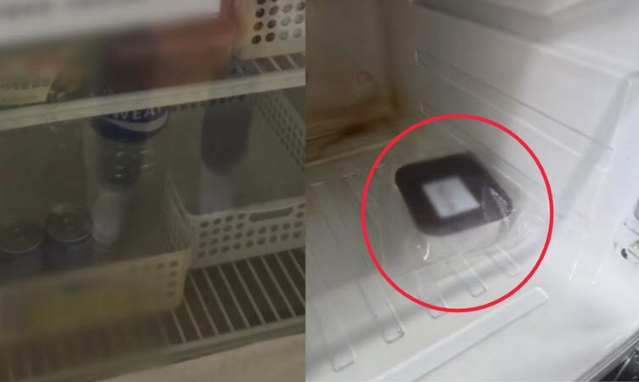
A Seoul nursing hospital faces an official administrative inquiry following the discovery of a patient's severed toe stored in a kitchen refrigerator alongside food and condiments, an incident that has raised serious questions about medical waste management and patient care protocols in South Korea's healthcare facilities. The toe, belonging to a man in his 60s with an intellectual disability who had resided at the facility for a decade, was discovered by the patient's family during a visit in August after being kept in a disposable porridge container for roughly two weeks.
The circumstances surrounding the incident reveal concerning gaps in communication between hospital staff and family members. When the family was initially notified in March that the patient's toe had detached, they were told the loss resulted from a fall that occurred while he was being transferred in a wheelchair during bathing. The hospital attributed the accident to complications arising from skin necrosis already affecting the affected toe. However, the family subsequently learned that the patient had been diagnosed with a foot ulcer documented in nursing records since December—information that had never been disclosed to them despite its significance to understanding the patient's medical condition and the circumstances of the injury.
The discovery itself highlights troubling breaches of established medical waste protocols. South Korea's Waste Control Act explicitly mandates that medical waste be segregated and stored in designated containers meeting specific standards. By placing human tissue in a conventional food storage area alongside drinks and condiments, the hospital appears to have violated these regulatory requirements while simultaneously creating potential food safety hazards that could endanger other patients and staff members who might consume items stored in that refrigerator.
The hospital's explanation for the storage method raises further concerns about institutional preparedness and decision-making processes. Officials claimed the facility lacked an appropriate container for preserving the severed toe and defended the refrigerator storage as an urgent, temporary response to an unexpected situation. This rationale suggests either inadequate medical waste management infrastructure or a failure to follow proper protocols when unforeseen circumstances arise. For a facility providing long-term residential care to vulnerable populations, such gaps in preparedness are particularly troubling.
This incident carries implications beyond the individual case, reflecting broader systemic issues within South Korea's nursing home sector that merit examination across the region. Long-term care facilities serving patients with disabilities or chronic conditions frequently face resource constraints and staffing challenges that can compromise care quality. The failure to proactively inform the family about the foot ulcer diagnosis suggests communication breakdowns common in institutional settings where patients may lack strong advocacy networks.
The involvement of South Korea's Health Ministry indicates recognition of the incident's severity. Officials announced an administrative investigation would be conducted by local government authorities, signalling that the breach represents more than a mere procedural misstep. Such investigations typically examine not only the immediate violation but also underlying institutional practices, staff training protocols, and supervisory oversight mechanisms that permitted the situation to occur.
For Malaysian healthcare stakeholders and patient advocates, this case underscores the critical importance of robust regulatory frameworks governing medical waste disposal and food safety standards in long-term care settings. As Southeast Asian nations continue developing their healthcare infrastructure and expanding care facilities for aging and vulnerable populations, establishing and enforcing stringent protocols becomes increasingly vital. Clear operational standards, adequate resource allocation, and regular compliance audits can prevent similar incidents that compromise both patient safety and public health.
The incident also highlights the vulnerability of patients with intellectual disabilities in institutional care environments. When patients cannot effectively communicate about their medical conditions or advocate for themselves, family engagement and transparent institutional communication become essential safeguards. The hospital's apparent failure to inform the family about the foot ulcer diagnosis despite documenting it internally suggests insufficient protocols requiring healthcare providers to keep families informed about significant medical developments, particularly for patients with communication challenges.
Looking forward, this case will likely prompt South Korean regulators to reinforce medical waste management training and compliance mechanisms across healthcare facilities. It may also catalyse broader policy discussions regarding standards for long-term care facilities, staff-to-patient ratios, and family communication requirements. Similar lessons should resonate throughout Southeast Asia, where rapid healthcare expansion sometimes outpaces the development of adequate regulatory oversight and enforcement mechanisms.
The investigation's outcomes will be closely watched by patient advocacy groups, healthcare administrators, and regulators across the region. Beyond the immediate question of whether the hospital violated specific regulations lies a more fundamental question about institutional accountability and the protection of vulnerable patients in settings where power imbalances can obscure substandard practices. Transparent investigation results and any resulting policy reforms will signal the region's commitment to maintaining dignity and safety standards in long-term care environments where some of society's most vulnerable members spend their final years.

