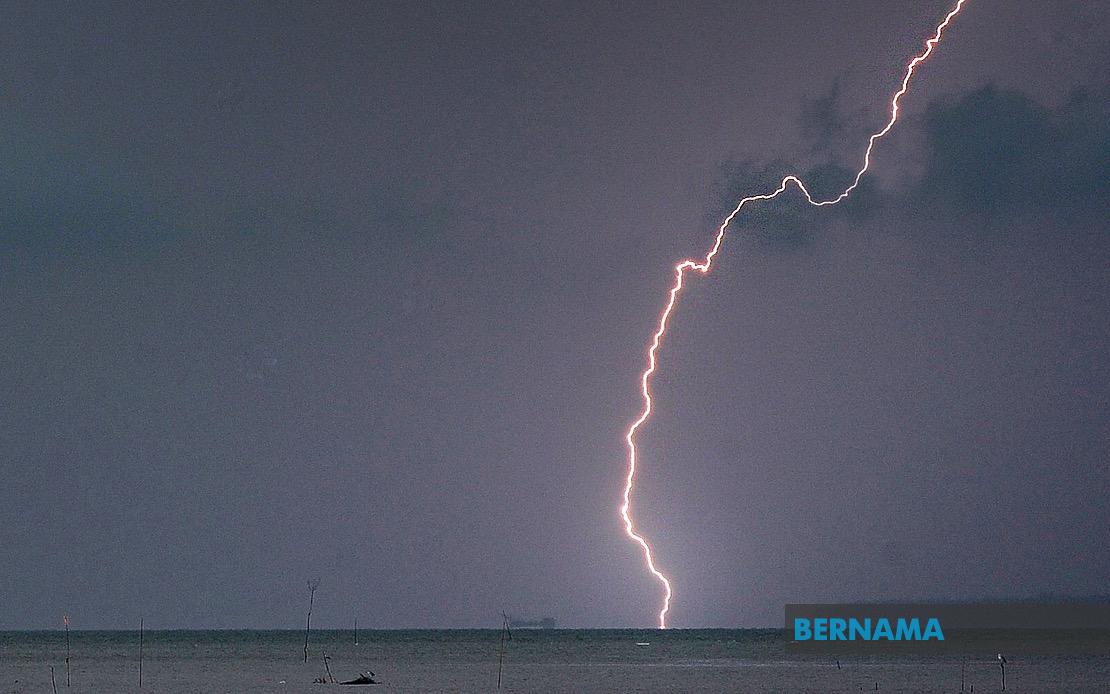
The Malaysian Meteorological Department has put out an urgent weather advisory covering a substantial swathe of the country, warning of potentially hazardous conditions characterised by intense thunderstorms, downpours and gusty winds expected to persist until the evening of 22 July. The alert demonstrates the meteorological challenges facing multiple regions simultaneously, with forecasters tracking weather systems affecting areas from the northern peninsula through to East Malaysia.
In the northern region, the state of Kedah faces the brunt of expected inclement weather, particularly the Baling district where residents should exercise caution during the afternoon hours. The advisory signals heightened meteorological activity over a considerable stretch of Perak, encompassing the industrial and economic heartland of the state. The affected districts span from coastal areas through to inland regions, suggesting a broad weather system affecting diverse terrain and populations.
Terengganu's east coast exposure leaves multiple districts vulnerable to the developing weather pattern. The seven affected districts—Setiu, Kuala Nerus, Hulu Terengganu, Kuala Terengganu, Marang, Dungun and Kemaman—represent significant population centres and economic zones along the peninsula's eastern seaboard. For residents and businesses in these areas, the afternoon period presents particular risks associated with flash flooding and storm surge impacts.
The interior regions of Pahang experience similar weather threats, with four districts identified as vulnerable. The mountainous terrain and river systems in areas like Cameron Highlands and Jerantut heighten the risk of water-related incidents during heavy rainfall events. The alert encompasses both highland and lowland areas, demonstrating the pervasive nature of the meteorological system affecting the state.
Selangor's vulnerability reflects its position as Malaysia's most densely populated state, with four districts facing potential disruptions. Kuala Lumpur's surrounding areas, including the developed regions of Sabak Bernam, Kuala Selangor and Hulu Selangor, alongside the federal territory itself through Gombak, require heightened preparedness. The concentration of commercial activity, dense urban infrastructure and substantial commuter populations in these districts underscores the broader economic implications of such weather disruptions.
Johor's six affected districts represent a significant portion of the state's geography, spanning from the western reaches through to the major urban centre of Johor Bahru. The inclusion of Mersing and Kluang indicates a weather system affecting diverse zones, from coastal areas to inland communities. For the state economy, particularly given Johor's role as a major commercial and industrial hub, such disruptions warrant serious attention from both residents and business operators.
In East Malaysia, Sabah faces weather threats across multiple administrative divisions. The Interior region comprising Kuala Penyu, Beaufort and Tambunan, alongside the West Coast and Sandakan divisions, demonstrates that the meteorological system extends well beyond Peninsular Malaysia. The inclusion of Kudat in the far north of Sabah underscores the geographic extent of the adverse conditions expected across the nation.
The timing of the alert—extending through to 5 pm—provides a defined window during which residents should remain vigilant. This evening conclusion suggests that meteorological models indicate a diminishing threat after sunset, though localised impacts may continue. The specificity of the timeframe allows communities and emergency services to concentrate resources and heighten preparedness during the critical afternoon period.
These weather systems, while common during Malaysia's monsoon and transitional seasons, pose genuine risks to public safety and economic productivity. Thunderstorms carrying strong winds can topple trees, damage structures and disrupt power supplies across affected regions. Heavy rainfall, particularly when concentrated over short periods, overwhelms drainage systems in urban areas and triggers flash flooding in low-lying communities. The combination of multiple hazards occurring simultaneously across diverse geographic areas necessitates coordinated public awareness and emergency response.
For Malaysian residents across the alert zones, practical preparedness measures remain essential. Securing loose outdoor items, avoiding unnecessary travel during peak storm activity, and monitoring official weather updates from MetMalaysia constitute prudent responses. Businesses should consider contingency planning for potential disruptions, whilst essential services must ensure adequate staffing and preparedness to respond to weather-related emergencies.
The geographical distribution of the alert—covering areas from Kedah through to Sabah—demonstrates the interconnected nature of regional weather systems. Understanding these patterns assists communities in anticipating similar events and building resilience against recurring seasonal weather challenges. As Malaysia's meteorological science continues advancing, increasingly precise alerts enable better resource allocation and public preparedness during hazardous weather periods.
Residents and visitors in affected areas should remain attentive to MetMalaysia's official communications and heed guidance from local authorities throughout the alert period. The convergence of severe weather across multiple states simultaneously underscores the importance of maintaining awareness of meteorological conditions, particularly during seasons characterised by heightened atmospheric instability.

