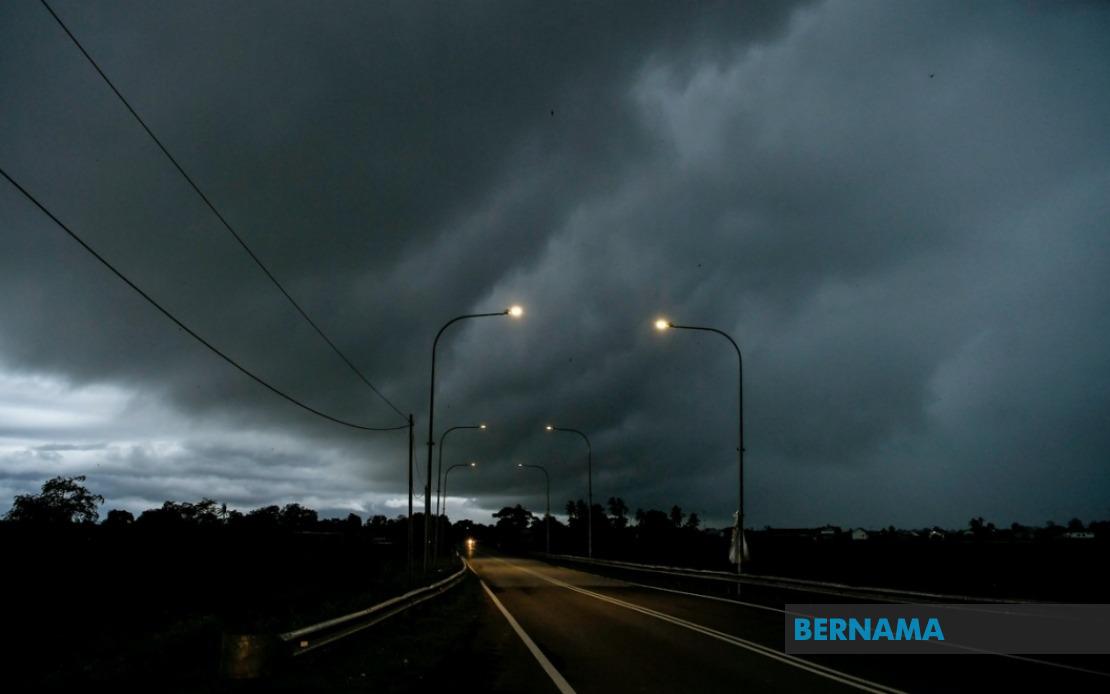
The Malaysian Meteorological Department has sounded a widespread weather alert affecting significant population centres across the country, with thunderstorms, torrential rainfall and gusty conditions expected to persist until early evening. The alert encompasses nine states alongside the federal territories of Kuala Lumpur and Putrajaya, reflecting a major weather system moving across the nation and posing potential risks to communities in both Peninsular Malaysia and East Malaysia.
In Peninsular Malaysia, the warning covers large swathes of territory. Johor faces the threat entirely, while Negeri Sembilan has been placed under alert status. Perak's vulnerable zones include the northern regions of Hulu Perak, Kuala Kangsar, and Kinta, alongside the central districts of Kampar, Hilir Perak, Batang Padang and Muallim. The east coast state of Kelantan is similarly affected, with six districts flagged: Tumpat, Pasir Mas, Jeli, Tanah Merah, Kuala Krai and Gua Musang. Terengganu has six affected areas including Setiu, Kuala Nerus, Kuala Terengganu, Marang, Dungun and Kemaman.
Pahang, a large state spanning multiple climate zones, faces threats across seven districts: the tourist destination of Cameron Highlands (Tanah Tinggi Cameron), Bentong, Temerloh, Kuantan, Bera, Pekan and Rompin. Selangor's alert covers seven areas including the western fringes of Sabak Bernam and Kuala Selangor, the central regions of Hulu Selangor, Gombak, and Petaling, and the southern stretches of Hulu Langat and Sepang. Both the federal capital and Putrajaya are included in the warning, meaning residents and commuters in Malaysia's primary urban and administrative centres should exercise caution during the afternoon period.
East Malaysian residents also face significant weather disruptions. Sarawak's warning encompasses Kuching, the state capital and largest city, alongside numerous other divisions. The alert extends to Sarikei district in Julau, the Sibu region including Kanowit, Mukah division proper, Kapit division in Song, Bintulu incorporating both Bintulu town and Sebauh, and the northern Miri division covering Subis, Beluru, Miri town and Marudi. The southern division of Limbang completes Sarawak's warning zone.
In Sabah, the impact is similarly widespread across three distinct geographical regions. The interior highlands designated Pedalaman include six areas: Sipitang, Tenom, Beaufort, Nabawan, Keningau and Tambunan. The West Coast region faces threats in five locations: Papar, Penampang, Kota Kinabalu (the state capital), Tuaran and Ranau. The eastern Sandakan district has four affected areas: Tongod, Telupid, Beluran and Sandakan town itself.
Thunderstorm warnings carry substantial implications for daily activities and public safety. Heavy rainfall in these regions can trigger flash flooding, particularly in low-lying areas and near waterways, whilst strong winds pose risks to unsecured structures, vegetation and outdoor installations. For residents and businesses across the affected zones, precautionary measures are advisable, including securing loose items, avoiding unnecessary outdoor activities, and monitoring water levels in flood-prone communities. Road users should exercise heightened caution as visibility may be reduced and road surfaces become slippery.
The scope of this alert underscores the powerful nature of the weather system in question. When Malaysia's meteorological authority issues such widespread warnings covering both coasts and multiple states simultaneously, it typically indicates a significant atmospheric disturbance capable of producing severe localised impacts. Residents in the affected areas should remain vigilant and check updated forecasts regularly, as weather conditions can evolve rapidly during afternoon thunderstorm seasons.
For those living in the warned districts, the 6 PM deadline represents a critical threshold, after which meteorological conditions may stabilise or the system may move to other regions. However, residents should not assume immediate safety once this time passes, as localised pockets of severe weather can occasionally persist beyond forecast windows. Schools, outdoor event organisers and infrastructure operators in the affected areas are typically advised to have contingency plans during such warnings, particularly given Malaysia's vulnerability to rapid flooding and wind damage during peak weather systems.
The inclusion of major urban centres like Kuala Lumpur, Putrajaya, Kuching and Kota Kinabalu means that millions of Malaysians are directly affected by this alert. Commuters returning home during the late afternoon should allow extra travel time and monitor traffic conditions, whilst outdoor workers and construction sites should consider suspending operations until the alert is lifted. Parents with children in schools within warning zones should remain contactable should institutions implement early dismissal procedures.
This warning demonstrates the critical importance of maintaining public awareness of meteorological alerts and heeding official guidance from the Malaysian Meteorological Department. As Southeast Asia's climate patterns continue to produce increasingly intense weather systems, residents across Malaysia's diverse geography must remain prepared and informed, ensuring that both personal safety and community resilience are prioritised during periods of adverse weather.

