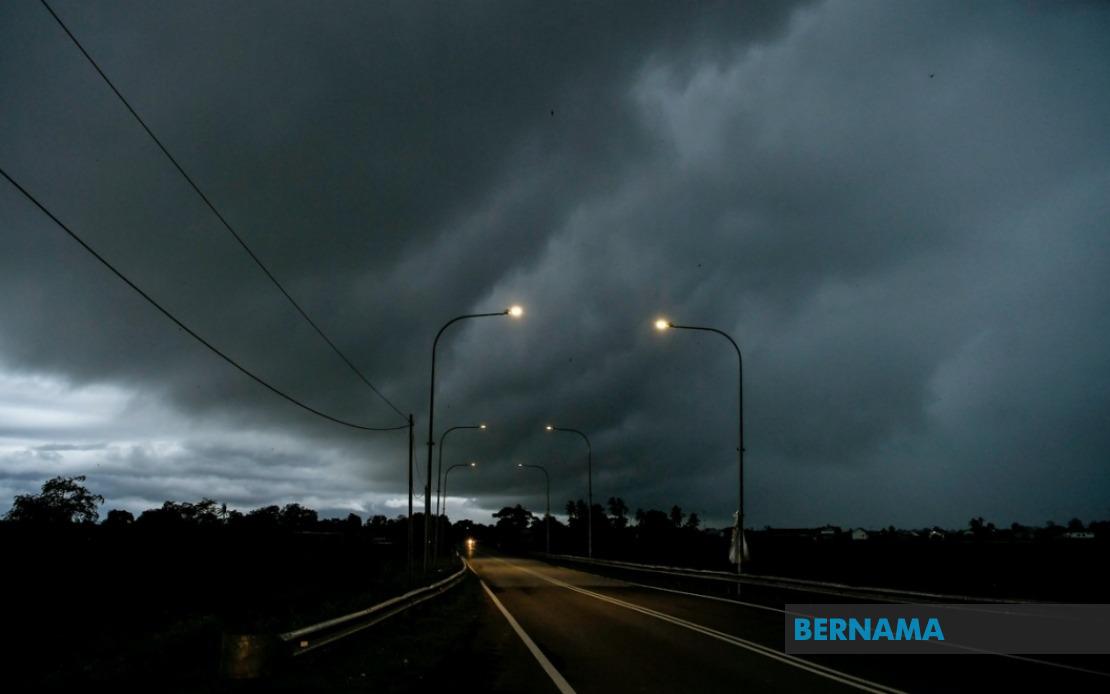
Malaysia's Meteorological Department has activated an urgent weather warning spanning 10 states as atmospheric conditions deteriorated on August 2, with forecasters cautioning the public to remain vigilant until 6 pm. The alert encompasses vulnerable zones across the peninsula and East Malaysia where residents face the combined hazard of electrical storms, torrential downpours and potentially dangerous wind gusts that could impact daily activities and outdoor operations.
The northern states bear the brunt of the alert, with Perlis placed entirely under the warning while multiple districts across Kedah face heightened risk. The affected Kedah zones—Padang Terap, Kuala Muda, Sik, Baling, Kulim and Bandar Baharu—represent a substantial portion of the state's population centres. Similarly, Perak experiences widespread coverage, with warnings applying to ten separate administrative zones including the densely populated Kinta district and the highland region of Hulu Perak, suggesting meteorologists detected significant atmospheric instability across diverse terrain and elevations.
Kelantan's east coast position makes it particularly susceptible to sudden weather shifts, and the alert extends to seven districts including Pasir Mas, Jeli, Tanah Merah, Machang, Pasir Puteh, Kuala Krai and Gua Musang. The entire state of Terengganu faces warnings, indicating that coastal and inland areas alike fall within the zone of concern. This comprehensive coverage of Kelantan and Terengganu underscores how monsoon patterns and maritime influence create conditions ripe for rapid weather deterioration across Malaysia's east coast regions.
Pahang residents in key areas face similar precautions, with the meteorological department highlighting Cameron Highlands, Lipis, Raub, Jerantut, Bentong, Kuantan, Pekan and Rompin as zones requiring heightened awareness. The inclusion of Cameron Highlands, an elevated highland region popular with tourists, suggests that even higher altitude locations could experience severe atmospheric activity. In the Klang Valley region, only Hulu Selangor has triggered alert status, though nearby Selangor residents should monitor conditions given the proximity to the affected zone and potential for rapid weather system movement across the corridor.
Johor faces alerts across seven districts spanning its geography from west to east—Batu Pahat, Kluang, Mersing, Pontian, Kulai, Kota Tinggi and Johor Bahru. This distribution implies that the southern state's entire profile faces some degree of meteorological concern, though with varying intensity across different zones. The inclusion of Johor Bahru, Malaysia's second-largest city by population, means hundreds of thousands of residents and commuters require situational awareness of developing conditions.
Sarawak's extensive alert coverage reflects the state's enormous geographical expanse and susceptibility to tropical weather patterns. The warnings apply across multiple divisions including Kuching (extending to the Bau area), Betong (covering Saratok and Kabong), Sarikei, Sibu (encompassing Sibu and Selangau townships), Mukah, Bintulu, Miri (including Subis, Beluru and Marudi) and Limbang. This represents substantial swathes of Sarawak's population and economic centres facing potential disruption from severe atmospheric activity. The diversity of affected regions—from coastal areas to interior divisions—indicates the weather system's pervasive nature across East Malaysia's largest state.
Sabah similarly faces broad exposure to adverse conditions across geographically dispersed areas. The Interior Division faces alerts in Sipitang, Tenom, Kuala Penyu, Beaufort and Tambunan, while the West Coast region is flagged entirely. Additional alerts apply to Beluran in Sandakan Division and Kudat in the far north. This pattern demonstrates how weather systems developing over the South China Sea and Sulu-Celebes Sea can simultaneously affect multiple regions across Sabah, creating challenges for emergency response coordination and public safety measures across the state's vast interior and coastal zones.
Thunderstorms accompanied by heavy rainfall create multiple hazards for affected populations. Flash flooding becomes a significant concern, particularly in low-lying areas, urban drainage systems and coastal zones susceptible to tidal interaction. Strong winds can damage lightweight structures, disrupt utility services and pose risks to outdoor workers and those operating heavy machinery. For maritime sectors including fishing communities and shipping operators across peninsular and East Malaysian ports, such warnings typically trigger operational suspensions or heightened safety protocols.
The timing of the alert through 6 pm suggests meteorological models indicate peak instability during late afternoon and early evening hours, when atmospheric heating typically reaches its maximum. This afternoon window represents a critical period when schools may still be in session, afternoon rush hour traffic accumulates on roads, and commercial activities remain in full swing. Residents, authorities and emergency services operating across the 10 affected states require coordination to manage potential disruptions and ensure public safety during the heightened risk period.
Transport networks, including highways traversing affected zones, may experience congestion from reduced visibility and cautious driving during intense rainfall episodes. Public transportation operators typically implement contingency measures during such alerts. Construction sites across affected areas often suspend elevated work during severe weather periods to protect workers from wind-related hazards. Utilities companies prepare for potential infrastructure impacts, while hospital emergency departments typically heighten preparedness for weather-related injuries.
Southeast Asian tropical weather patterns create seasonal vulnerability windows when such broad-scale alerts become increasingly common. Malaysia's position within equatorial and tropical climate zones means residents and authorities must maintain constant vigilance during monsoon transitions and high-instability periods. The Meteorological Department's proactive alert system provides crucial advance notice enabling individuals and institutions to implement protective measures before conditions deteriorate.

