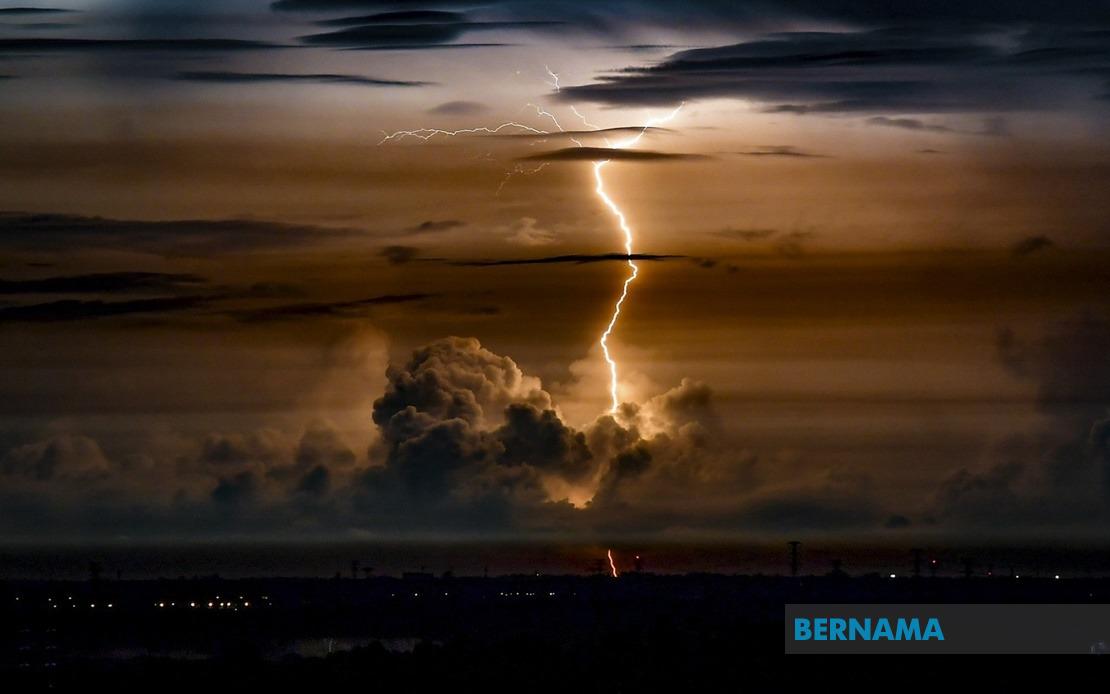
The Malaysian Meteorological Department (MetMalaysia) has alerted residents across seven states to prepare for severe weather conditions expected to persist through the evening of August 14, with thunderstorms, intense rainfall, and powerful gusts affecting multiple populated regions. The warning, issued to help residents take necessary precautions, identifies a broad swathe of the peninsula as vulnerable to dangerous atmospheric conditions that could trigger flash flooding and transport disruptions.
In the northern and central regions, four districts within Perak have been placed on alert: Bagan Datuk, Muallim, Hilir Perak, and Batang Padang. These areas, which span from coastal zones to inland agricultural communities, face the combined risk of sustained heavy downpours and strong winds that could affect farming operations, water supply systems, and outdoor activities. The entire state of Terengganu, meanwhile, is experiencing similar severe weather threats, a significant concern given the state's maritime economy and tourism-dependent coastal communities.
Pahang, the largest state on the peninsula by area, has also been included in the warning zone. The vast interior and coastal regions of Pahang are particularly vulnerable to flash flooding during periods of intense rainfall, as numerous waterways and drainage systems can quickly become overwhelmed. In the southern region, Johor's Mersing district—a key tourism and fishing hub on the east coast—faces heightened risks from both flooding and wind damage that could disrupt maritime activities and local infrastructure.
The central regions have not escaped MetMalaysia's concerns. Selangor, which encompasses the Klang Valley and surrounding industrial zones, has seen five districts flagged for the warning: Sepang, Klang, Sabak Bernam, Kuala Selangor, and Kuala Langat. These areas are home to critical transportation corridors, major ports, and densely populated urban and suburban communities where flooding can quickly affect large numbers of residents. The proximity of these districts to Malaysia's economic heartland means that weather-related disruptions could have ripple effects across the broader business and logistics sectors.
Negeri Sembilan's Rembau district and Port Dickson—a major industrial and tourism destination—are also under alert. Port Dickson's status as one of Malaysia's primary ports makes weather-related warnings particularly significant, as strong winds and heavy seas can disrupt shipping schedules and maritime operations. Inland Rembau, meanwhile, faces the standard risks of flooding and wind damage affecting rural and semi-urban areas.
Melaka's Alor Gajah and Melaka Tengah districts round out the affected zones. These areas, which include both agricultural and urban communities, are susceptible to waterlogging and infrastructure damage during heavy precipitation events. The warning underscores the unpredictable nature of Malaysia's monsoon and inter-monsoon periods, when atmospheric instability can rapidly develop and produce severe localised weather.
The 9 pm deadline for the warning suggests that MetMalaysia's forecasters expect the severe weather system to weaken or shift by early evening, though residents are advised to remain vigilant as conditions can change without notice. The combination of thunderstorms and heavy rain poses multiple hazards: electrical dangers from lightning strikes, reduced visibility on roadways, potential landslides in hilly areas, and overwhelming of drainage systems in low-lying zones. Strong winds add an additional layer of risk, capable of uprooting trees, damaging structures, and creating hazardous conditions for vehicles, particularly high-sided commercial trucks.
For residents in the affected regions, the warning serves as a timely reminder to secure outdoor items, avoid unnecessary travel, monitor local drainage and waterway conditions, and stay informed through official weather bulletins. Farmers and agricultural workers should take steps to protect crops and livestock, while maritime operators should exercise extreme caution or consider postponing activities until conditions improve. Educational institutions, workplaces, and local authorities in these areas may need to implement contingency measures to ensure public safety.
The issuance of such warnings reflects MetMalaysia's commitment to providing early notice of hazardous weather, allowing communities, businesses, and government agencies time to prepare. However, Malaysia's tropical climate means that sudden severe weather can develop rapidly, and residents should treat such official alerts as serious guidance requiring immediate action. The geographical diversity of the affected areas—from coastal zones to inland plains and elevated regions—means that impacts will vary, with each locality facing unique challenges based on local geography, drainage infrastructure, and population density.
Communications from MetMalaysia during severe weather events are crucial for public safety, and residents are encouraged to maintain contact with official weather information sources throughout the day. Local authorities in the seven affected states are likely coordinating response measures and monitoring conditions closely, ready to respond to any emergencies that may arise from the forecast severe weather.

