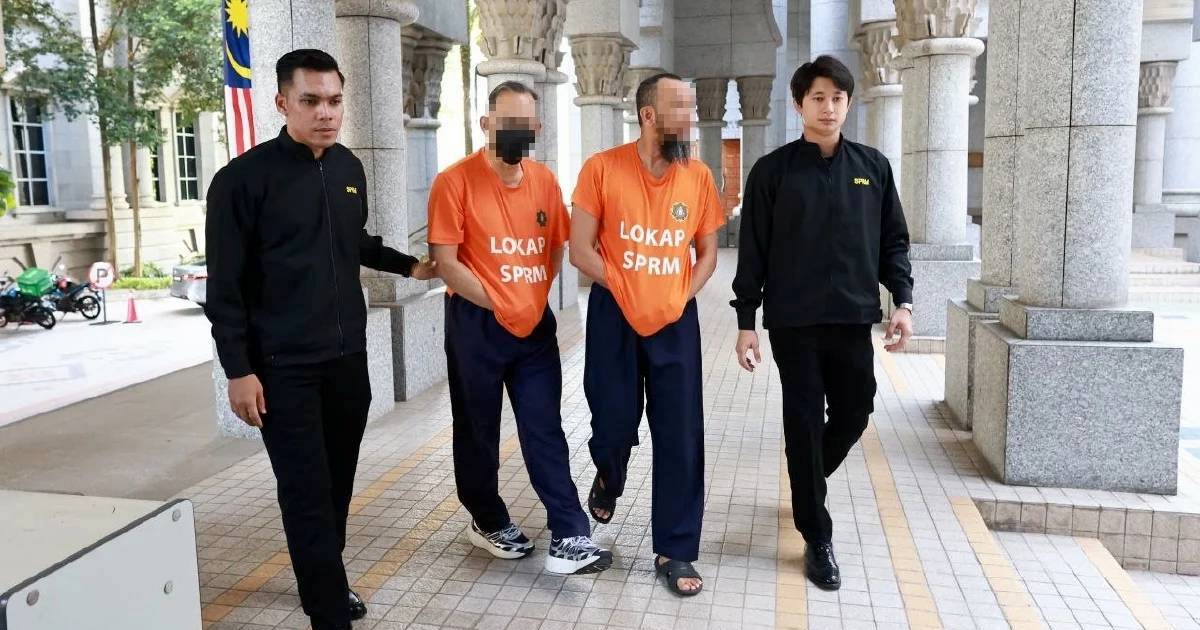
The Malaysian Anti-Corruption Commission (MACC) has expanded its dragnet in the Tabung Haji investigation, detaining seven individuals including a shipping industry executive holding a Datuk title. The move underscores the escalating intensity of the anti-corruption body's probe into the governance and financial management of the pilgrimage fund, which oversees billions in savings from Malaysian Muslims preparing for the Haj journey to Mecca. The detention orders reflect a broadening investigative scope that extends beyond the Tabung Haji organisation itself to encompass external business figures allegedly linked to controversial transactions and arrangements.
The inclusion of a chief executive officer from the maritime sector signals that investigators are pursuing leads connected to potential commercial dealings involving the fund. Shipping and logistics operations have featured prominently in several high-profile corruption cases across Southeast Asia, often serving as conduits for opaque financial arrangements and value extraction schemes. The status of the detained executive—evidenced by his Datuk honour—suggests involvement at senior corporate levels, indicating that investigators believe substantive decisions regarding fund deployments may have extended into private sector networks.
The Royal Commission of Inquiry into Tabung Haji was established to examine allegations of mismanagement, governance failures, and financial irregularities that have plagued the institution in recent years. The fund, which manages the savings of approximately 8.7 million members accumulating resources for their pilgrimage, occupies a position of profound trust within Malaysia's Muslim community. Revelations of mishandling have triggered considerable public concern about the security of these religious endowments and prompted demands for institutional reform and accountability.
The detention of six other individuals alongside the shipping CEO remains undisclosed in terms of their specific roles and organisational affiliations. However, the simultaneous apprehension of multiple suspects typically indicates that investigators have identified connected elements within a potential network—whether involving board members, senior management, external advisors, consultants, or business associates implicated in specific transactions under scrutiny. The parallel detention approach allows interrogators to cross-verify accounts and prevent coordination of narratives among suspects.
This action represents a significant phase in what has become one of Malaysia's most consequential investigations into the stewardship of public Islamic institutions. The Tabung Haji scandal has broader implications for governance structures within faith-based organisations managing substantial communal assets. Concerns about institutional integrity extend beyond financial metrics to encompass questions about fiduciary responsibility, transparency mechanisms, and the effectiveness of oversight frameworks designed to protect members' interests.
The involvement of MACC signals the gravity assigned by authorities to the investigation. Unlike routine audits or administrative inquiries, anti-corruption commission involvement indicates suspected criminal conduct rather than mere administrative irregularities. This distinction carries weight for potential prosecutions and sentencing considerations, potentially exposing those found culpable to imprisonment and asset forfeiture provisions under Malaysia's anti-corruption legislation.
For Malaysian stakeholders, particularly the millions of Tabung Haji members whose life savings are at stake, the accelerating investigation offers both reassurance and anxiety. Reassurance derives from visible law enforcement action suggesting institutional commitments to accountability; anxiety emerges from the expanding circle of detainees and the suggestion that improprieties may have been more systemic than initially apparent. The identities and specific allegations against the newly detained individuals will become clearer as investigative processes advance and court proceedings potentially commence.
Regionally, the Tabung Haji case contributes to evolving narratives about corruption and governance in Southeast Asian financial institutions. Malaysia's willingness to investigate high-profile cases involving connected individuals—regardless of their status—influences perceptions of institutional independence and anti-corruption commitment among regional observers and international rating agencies that assess governance quality and transparency.
The detention of individuals for MACC questioning typically precedes formal charges and prosecution. Investigators commonly conduct interviews spanning several days, examining documentation, financial records, communications, and testimony to establish whether sufficient evidence exists to support legal action. The outcome of these interrogations will substantially influence whether detainees face corruption charges, are released, or are subjected to alternative investigative measures.
As the Tabung Haji RCI proceeds, the expanding scope of detentions suggests investigators continue uncovering fresh leads and connections warranting examination. The institution's members, numbering in millions and hailing from diverse economic backgrounds, have legitimate interests in understanding how their contributions were managed and whether recovery of misappropriated assets remains feasible through legal mechanisms. The investigation's progress will substantially determine both the institutional credibility of Tabung Haji going forward and public confidence in Malaysia's capacity to prosecute corruption cases involving economically and socially influential figures.

