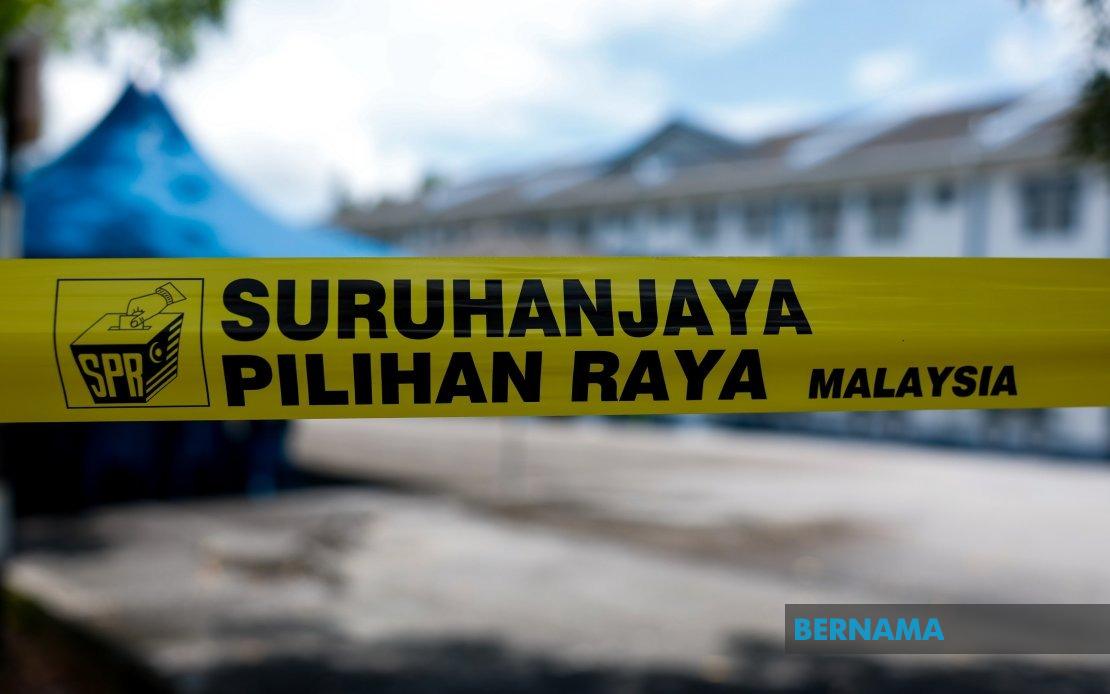
Negeri Sembilan police have initiated investigations into seven cases involving election-related offences recorded so far during the campaign period leading up to the 16th state election, according to Negeri Sembilan Police Chief Datuk Alzafny Ahmad. The enforcement push reflects authorities' commitment to maintaining order and ensuring compliance with electoral laws as campaigning intensifies across the state.
Two of the investigation papers were opened on the day of Alzafny's announcement, specifically addressing allegations of mischief under Section 427 of the Penal Code that resulted in property damage or loss. The emergence of these cases underscores the intensity of campaign activities and the potential for friction between competing political interests during this pivotal period for state-level governance in Negeri Sembilan.
Between July 18 and 22, the Royal Malaysia Police contingent in Negeri Sembilan received a cumulative total of twelve police reports alleging various election offences. This volume of complaints illustrates the challenges law enforcement faces in managing conduct across multiple constituencies and campaign venues, requiring coordination between federal police resources and state-level coordination during electoral periods.
Police approval of political ceramahs and campaign activities has remained brisk, with fifty-three permit applications processed and granted during a single day, bringing the running total of approved permits to 226 since the campaign window opened. The steady stream of applications reflects vigorous participation by political parties and independent candidates seeking to reach voters across Negeri Sembilan's diverse communities through organised public events.
Monitoring compliance across all political programmes and activities represents a core responsibility for the police during election periods, Alzafny emphasised. Officers are tasked with verifying that campaigners adhere to legal requirements governing decorum, safety protocols, and public order considerations that elections administrators have established to protect both participants and the general population.
The police chief stressed that his force would maintain heightened vigilance and preparedness throughout the remainder of the campaign phase. Commitment to consistent enforcement sends a clear signal to political stakeholders that deviation from legal boundaries will attract serious consequences, thereby incentivising self-regulation and compliance among campaign organisers and supporters.
Election integrity depends substantially on public cooperation with law enforcement and respect for democratic processes, Alzafny noted in his public appeal. By enlisting citizens' active participation in safeguarding electoral conduct, authorities seek to foster shared ownership of peaceful polling outcomes, transforming election oversight from a purely top-down enforcement exercise into a collaborative civic responsibility.
For Malaysian readers following regional electoral developments, the Negeri Sembilan case illustrates broader patterns in how Southeast Asian democracies balance open campaigning with order maintenance. The moderate number of offences recorded relative to 226 approved events suggests that while tensions emerge, most political participants are observing electoral rules and respecting institutional frameworks, a healthier sign than might otherwise appear from headline counts of violations alone.
The Electoral Commission has scheduled early voting for the Negeri Sembilan state election on July 28, with general polling to occur on August 1. This compressed timeline means that campaign intensity will likely escalate further in coming days as political contenders press their final messages to voters before balloting commences, potentially testing police resources and public patience simultaneously.
For those tracking electoral administration across Malaysia's states, the Negeri Sembilan framework demonstrates how federal police forces coordinate with state-level election management bodies to facilitate both democratic participation and public safety. The 226 approved permits indicate substantial activity, yet the seven offence investigations suggest that oversight mechanisms are functioning and consequences are being applied when rules are breached.
Observers of Malaysian politics will note that early reports of election offence investigations often reflect the seriousness with which authorities approach polling periods, particularly in states where competition between political coalitions remains genuinely contested. The absence of dramatic crises does not eliminate the need for sustained vigilance, and Negeri Sembilan's police leadership appears calibrated toward preventing escalation through active monitoring and transparent communication.

