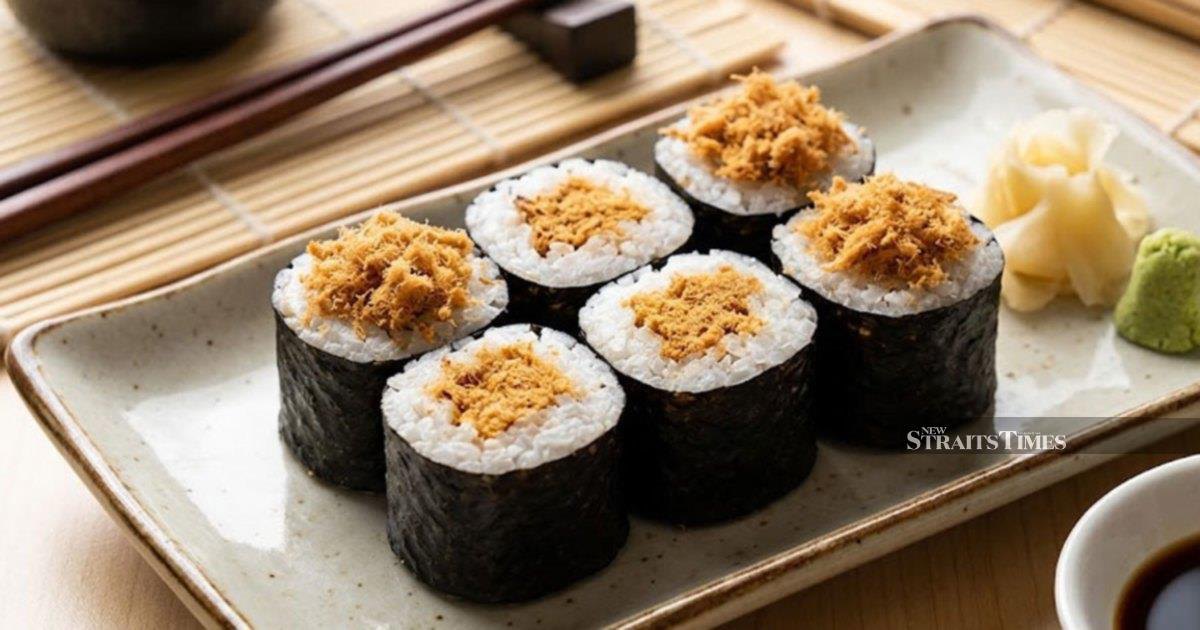
A magistrate's court in Setiu has imposed a RM700 fine on a food trader who admitted to selling sushi contaminated with harmful bacteria at a Ramadan bazaar, underscoring growing concerns about hygiene standards in casual food establishments during the holy month. The conviction reflects ongoing efforts by local health authorities to maintain food safety standards in busy marketplace environments where seasonal trading intensifies and regulatory oversight becomes more challenging.
The trader's guilty plea signals acceptance of responsibility for the violation and avoided a lengthy court proceeding, though the incident raises broader questions about food handling practices among small-scale vendors who operate temporary stalls during festive celebrations. Ramadan bazaars, which have become integral to Malaysian culture and commerce during the fasting month, attract hundreds of traders and thousands of customers daily, creating an environment where quality control lapses can quickly spread foodborne illnesses.
Contamination with harmful bacteria in ready-to-eat foods like sushi poses significant health risks, particularly during Ramadan when consumers break their fast and may have weakened digestive systems after prolonged abstinence. The sushi preparation process—involving raw ingredients, minimal cooking, and typically cold storage—requires meticulous attention to hygiene protocols that some temporary traders may lack adequate training or infrastructure to maintain.
Food safety violations at Ramadan bazaars have become recurring issues across Malaysia, with health departments regularly conducting inspections and issuing warnings during the festive season. The Setiu case exemplifies the challenges authorities face when regulating an environment where vendors operate under time pressure, financial constraints, and sometimes inadequate facilities for proper food storage and preparation.
The RM700 penalty, while not severe by legal standards, serves as a deterrent within the trading community and reinforces that health authorities actively monitor bazaar operations. However, enforcement alone cannot solve underlying structural problems—many temporary vendors lack proper training in food safety, cannot afford professional-grade refrigeration equipment, and operate in crowded spaces with limited access to clean water and adequate workspace.
Consumer awareness represents another critical dimension of this issue. Shoppers purchasing from bazaar stalls rarely inquire about food handling practices or vendor certifications, creating limited market pressure for higher standards. Education campaigns during Ramadan could help buyers identify and avoid high-risk vendors, while also encouraging vendors to invest in proper practices as a competitive advantage.
Malaysian health authorities have increasingly emphasised inspections and compliance checks during Ramadan, recognising that temporary bazaars operate outside formal commercial premises with minimal year-round oversight. The Setiu conviction indicates that enforcement mechanisms are functioning, though the frequency of violations suggests that penalties and monitoring may require further strengthening to achieve sustained compliance.
For Southeast Asian readers, this case reflects a common regulatory challenge across the region where informal food sectors serve large populations with inconsistent health standards. Countries throughout Southeast Asia struggle with similar gaps between formal food safety requirements and the practical capabilities of street vendors and temporary traders, particularly during cultural celebrations that generate enormous surge in informal food commerce.
The incident also highlights vulnerabilities in supply chain oversight. Sushi, whether prepared at the bazaar or pre-made and simply sold by the trader, requires traceability from ingredient sourcing through storage and sale. Many small vendors cannot maintain proper cold chains or documentation, creating opportunities for bacterial growth and cross-contamination.
Moving forward, addressing food safety at Ramadan bazaars requires multi-faceted approaches combining targeted enforcement with vendor support, training programmes, and infrastructure improvements. Local authorities could establish dedicated vendor zones with shared refrigeration facilities and water access, reducing individual vendor costs while enabling better hygiene standards. Certification programmes and recognition systems could reward compliant vendors, creating reputational incentives for maintaining high standards.
The Setiu case, while involving a single vendor and modest fine, reflects systemic challenges that Malaysian food authorities and bazaar organisers must confront during every Ramadan season. As Ramadan bazaars continue expanding in scale and sophistication, ensuring food safety becomes increasingly complex, requiring sustained investment in enforcement, education, and structural improvements that balance vendor sustainability with consumer protection.

