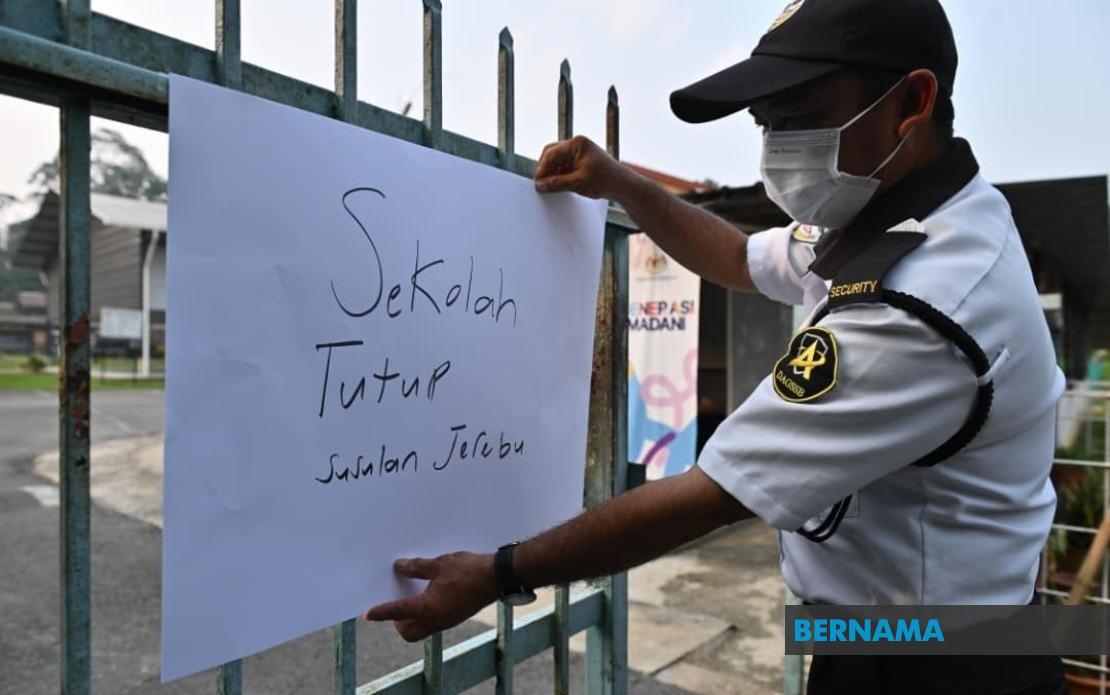
Educational institutions across Serian in Sarawak have had their temporary closure period extended through Friday as atmospheric pollution from cross-border haze continues to pose health risks to students and staff. The Sarawak State Education Department announced the decision following consultations with school leaders, who were concerned about the logistics of managing closures and potential disruptions to teaching schedules.
The move reflects growing concern about air quality in the district, where the Air Pollution Index reached 178 at 4 pm on Wednesday, placing Serian firmly in the unhealthy category. This threshold, monitored through the Air Pollution Index Management System, triggers automatic school closures in most Malaysian states when air quality deteriorates to levels that pose respiratory risks, particularly for younger children whose lungs are still developing. The index measures concentrations of fine particulates and other pollutants that can penetrate deep into the respiratory system.
Authorities emphasized that the extension decision was designed to reduce strain on multiple stakeholders in the education ecosystem. School administrators face significant logistical challenges when managing closures, including coordinating with teaching staff, communicating with parents, and adjusting lesson plans. Teachers often find themselves managing competing demands from online instruction, make-up classes, and administrative duties. Parents struggle with childcare arrangements when schools unexpectedly shut, particularly working mothers in rural areas like Serian who may lack backup support. Boarding school students face particular hardship, as they cannot simply return home and must remain in dormitories under supervision.
The Serian District Education Office oversaw the consultation process with secondary and primary school principals and headmasters, drawing on their frontline experience with haze impacts. These educators reported observations about student health concerns, attendance patterns during previous haze episodes, and the cumulative stress of frequent closures on academic momentum. Their input shaped the decision to extend rather than repeatedly assess daily whether conditions would improve, allowing schools and families to plan more effectively.
The Sarawak State Education Department instructed educational institutions to maintain vigilant monitoring of the Air Pollution Index Management System, which provides real-time data for individual districts and localities. This allows schools to make informed decisions about reopening schedules and to time outdoor activities accordingly when normal operations resume. The department indicated that further updates would be issued as conditions evolve, suggesting authorities are prepared to implement additional measures if air quality continues deteriorating.
The haze affecting Serian originates from transboundary sources, typically agricultural burning in neighboring Indonesian provinces during harvest seasons. This recurring phenomenon creates predictable but difficult environmental conditions across Sarawak's border regions during certain months. Unlike sudden natural disasters, haze allows time for preparation, yet its duration remains unpredictable, complicating planning for schools and families. The cross-border nature of the pollution means Malaysian authorities have limited ability to prevent the haze at its source, though bilateral cooperation mechanisms with Indonesia exist to encourage burning control measures.
For Malaysian students and schools, repeated haze episodes create cumulative disruptions to academic calendars and learning progression. Extended closures compress instructional time and can particularly disadvantage students in critical examination years. Younger pupils may experience learning gaps when classroom instruction is interrupted, while boarding students miss crucial peer interaction and routine. The health impacts extend beyond immediate school closures—pollution exposure on days schools remain open can affect student concentration, attendance rates, and long-term respiratory health.
The decision to extend closures through Friday rather than make daily assessments reflects lessons learned from previous haze episodes. Frequent changes to closure status generate confusion, frustrate parents attempting to arrange childcare, and disrupt lesson preparation by teachers. A clear, extended timeline enables schools to move to remote learning if necessary and provides families with certainty for their schedules. This approach balances precautionary health concerns against the educational and social costs of prolonged closures.
Sarawak's education authorities face ongoing challenges from transboundary haze that Southeast Asian nations are increasingly recognizing as a serious regional issue requiring coordinated responses. Malaysia has implemented bilateral haze monitoring and prevention agreements with Indonesia, yet the effectiveness of these mechanisms remains inconsistent. For Malaysian policymakers and educators, addressing seasonal haze requires not only immediate school closure protocols but also diplomatic pressure on neighboring countries to enforce stricter agricultural burning regulations and develop sustainable alternative farming practices.
The Serian school closure extension underscores how environmental degradation in one nation directly impacts education systems and child development in another. As climate change potentially intensifies seasonal burning patterns and haze severity, Malaysian schools in border regions may face more frequent operational disruptions. This reality demands investment in infrastructure resilient to haze—including improved air filtration in school buildings and covered outdoor learning spaces—alongside continued diplomatic efforts to reduce transboundary pollution at its source.

