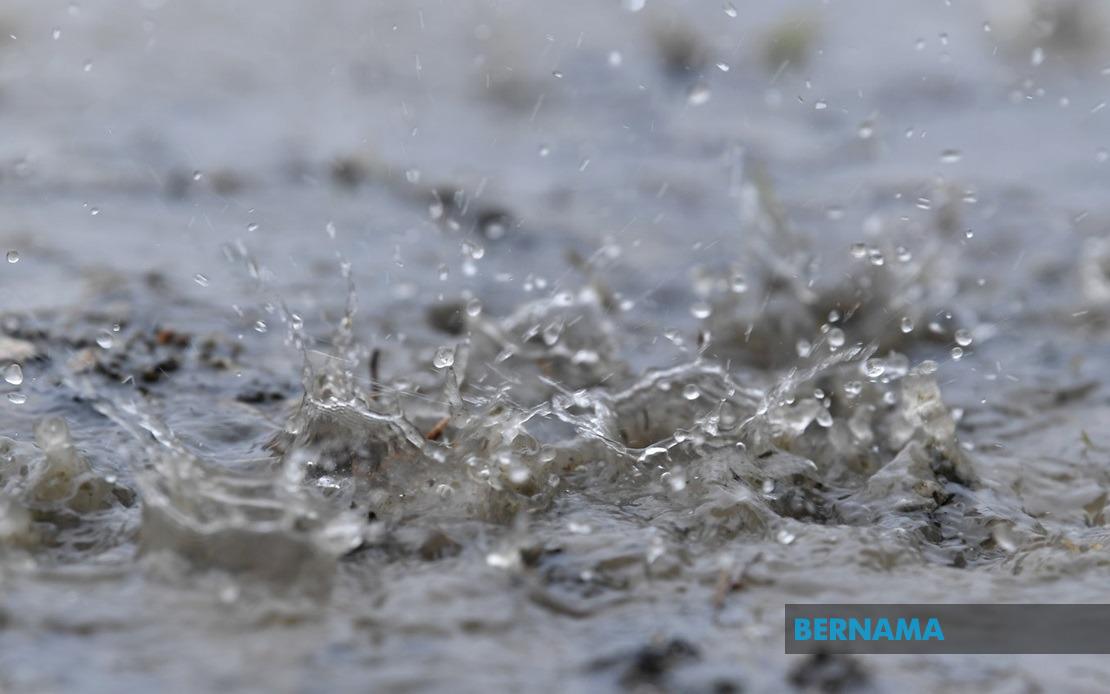
South Korea's capital region and eastern provinces faced a deluge of water overnight as intense rainfall ravaged Seoul and Gangwon, leaving hundreds of homes and roads underwater and forcing authorities to scale back public access to major recreational sites. The Central Disaster and Safety Countermeasure Headquarters reported that approximately 540 cases of property damage emerged from the overnight downpour, though remarkably no deaths or serious injuries were recorded across the affected areas.
The meteorological severity of the event was underscored by rainfall measurements that pushed past the 150-millimetre threshold across multiple districts and municipalities. Paju recorded the highest accumulation at 192.5 millimetres, followed closely by Dongducheon at 189.5 millimetres, Pocheon with 179 millimetres, Gimpo at 166.5 millimetres, and Cheorwon measuring 159.5 millimetres. All of these measurements were compressed into a nine-hour window between midnight and 10 a.m., creating conditions characteristic of flash-flood scenarios. The concentrated nature of such rainfall in urban and semi-urban settings poses particular challenges for drainage infrastructure and emergency response systems.
Property losses took two distinct forms across the flooded regions. Authorities documented 148 separate incidents involving inundated residential properties and submerged roadways, reflecting the widespread geographic footprint of the damage. An additional 392 cases involved fallen trees, uprooted vegetation, and debris accumulation, indicating that wind conditions accompanying the rain contributed to the overall destruction. Residents in affected neighbourhoods faced the immediate challenge of assessing structural damage to their homes and navigating through compromised road networks.
While the absence of fatalities represents a significant fortunate outcome given the scale of the precipitation, the precautionary measures undertaken by local authorities underscored the genuine risks posed by such extreme weather events. A total of 95 people from 44 separate households across six municipalities were evacuated as a protective step, likely from areas with elevated landslide risk or locations prone to rapid water accumulation. This conservative approach to civilian safety reflects lessons learned from previous disasters in the region.
Recreational and transportation infrastructure bore substantial interruption as a direct consequence of the flooding and saturated soil conditions. Access restrictions affected ten national parks throughout Gangwon Province, including the popular Mount Bukhan site, alongside 275 designated hiking trails. These closures remained in effect through the morning hours as ground stability assessments were conducted. Maritime services were equally disrupted, with seven ferry routes operating along the west coast suspended to ensure passenger safety during the period of challenging weather conditions.
The meteorological outlook painted a picture of continued climatic stress for the region. Forecasters predicted that heavy rainfall would persist through Sunday, with isolated areas potentially experiencing intensification to 300 millimetres per hour—rates that represent genuine flash-flood thresholds. This extended forecast horizon meant that initial damage assessments would inevitably be superseded by additional impacts as the weather system continued its trajectory across the peninsula.
Alerts maintained by the Central Disaster and Safety Countermeasure Headquarters reflected the ongoing nature of the threat. As of mid-morning on Saturday, ten regions within Gangwon Province remained under heavy rain alerts, signalling continued precipitation and risk. Pocheon specifically faced an elevated mudslide warning, indicating that saturated slopes and geological conditions in that municipality warranted heightened vigilance. These tiered alert systems allow authorities to communicate proportionate risk levels to residents and coordinate resource deployment accordingly.
Prime Minister Han Seong-sook convened emergency response meetings to coordinate the governmental reaction to the unfolding crisis. During these sessions, she emphasised the importance of rapid deployment of heavy equipment and personnel to affected communities, recognising that swift removal of debris and restoration of transportation networks could significantly reduce secondary economic impacts. The prime minister acknowledged both the relief that no lives were lost and the genuine hardship faced by residents confronting property damage and temporary displacement.
The geographic distribution of the flooding and the trajectory of the weather system created particular concern for Chungcheong Province and the northeastern regions of Gangwon, where forecasters anticipated additional heavy precipitation during late evening and early morning hours. Prime Minister Han specifically directed officials to enhance preparedness for potential landslides in these areas, reflecting awareness that the combination of saturated soils, steep topography, and continued rainfall creates ideal conditions for slope failures. Such geological hazards often claim lives and destroy infrastructure with particular severity in mountainous or semi-mountainous terrain.
For Malaysian and Southeast Asian observers, this episode in South Korea demonstrates the escalating intensity of extreme weather events linked to regional climate patterns and the adaptive capacity of developed-nation infrastructure and emergency management systems. While South Korea's preparedness culture and technological sophistication enabled rapid response and the prevention of casualties, the scale of property damage and service disruptions illustrates the vulnerability of even advanced economies to intensive precipitation events. As regional climate patterns show signs of intensification, understanding how neighbouring countries implement disaster prevention and recovery strategies offers valuable perspective for Southeast Asian policymakers and emergency management professionals navigating their own climate-related risks.

