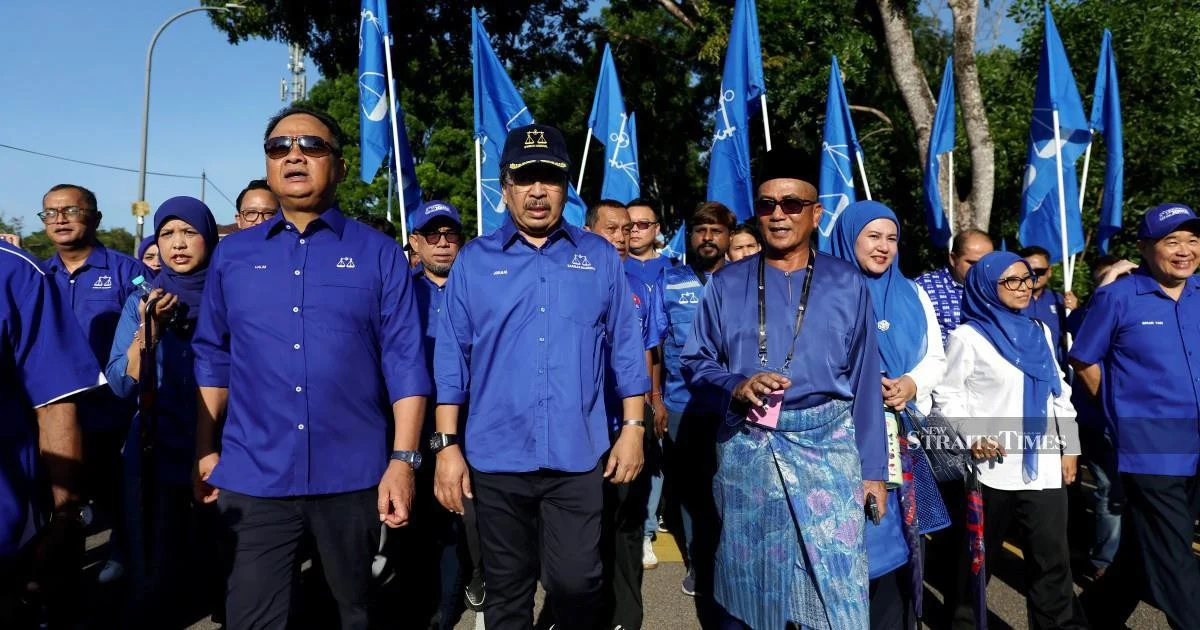
The appearance of Umno vice-president Datuk Seri Johari Abdul Ghani at Taman Pelangi Indah community hall in Johor Baru signals renewed momentum for the Barisan Nasional coalition ahead of polling day in the Tiram state constituency. The senior party leader's decision to personally campaign for the coalition's candidate underscores the strategic importance BN places on this particular seat as it seeks to consolidate its traditional stronghold in Johor.
Johari Abdul Ghani's involvement reflects the broader BN strategy of deploying senior figures across competitive battlegrounds to energise party machinery and shore up support among uncommitted voters. As deputy leader of Umno, one of Malaysia's most enduring political organisations, his presence carries symbolic weight within the party structure and signals organisational confidence in the Tiram campaign.
The Tiram constituency represents a microcosm of challenges facing BN across urban and semi-urban Johor. The seat has historically been influenced by demographic shifts, economic concerns, and voter sentiment towards incumbent administrations. Localised issues such as infrastructure development, public services delivery, and cost-of-living pressures typically dominate voter discourse in such constituencies, requiring candidates to articulate concrete policy responses rather than rely solely on party brand recognition.
Barisan Nasional's traditional organisational network in Johor remains substantial, with established grassroots structures across most constituencies. However, the coalition faces mounting pressure from both opposition parties and independent candidates who have successfully mobilised discontent over governance issues and economic management. The campaign in Tiram must therefore address voter anxieties while emphasising BN's track record of delivering development projects and maintaining administrative continuity.
Johari Abdul Ghani's grassroots engagement demonstrates how Malaysian political parties continue to invest heavily in direct campaigning, despite the growing influence of digital platforms. Community halls and neighbourhood gatherings remain critical forums where candidates and senior leaders interact with voters face-to-face, discuss grievances, and attempt to build personal connections that transcend partisan boundaries.
The timing of high-level campaign appearances often correlates with internal party assessments of seat viability. When senior leaders like Johari personally campaign in a constituency, it typically suggests the seat is either considered winnable but requiring additional mobilisation, or competitive enough to warrant senior attention. The deployment of influential figures also sends internal signals to party members about which contests receive leadership priority and resources.
Umno's position within the BN coalition remains dominant despite recent electoral setbacks at federal and state levels. The party's influence over selection of candidates, campaign strategy, and resource allocation remains considerable, particularly in states like Johor where it maintains deep institutional roots. Johari's visible presence in Tiram reinforces Umno's controlling position within the coalition structure on the ground.
Voter sentiment in Malaysian state elections increasingly reflects granular concerns about local administration rather than national political narratives. Residents of Tiram will evaluate the BN candidate on perceived competence in handling municipal services, addressing traffic congestion, managing waste disposal, and responding to community development requests. These bread-and-butter concerns often outweigh ideological positioning in determining voting patterns at state level.
The Johor election campaign environment has been characterised by relatively civility compared to certain past electoral contests, though underlying tensions between competing coalitions remain palpable. Senior figures campaigning across constituencies help set the tone for political engagement, and their demeanour influences how grassroots supporters conduct themselves during the campaign period.
For the BN candidate in Tiram, securing endorsement and active support from senior party leadership provides tangible benefits including enhanced media visibility, mobilisation of party volunteers, and symbolic transfer of organisational credibility. Conversely, the candidate must demonstrate sufficient local capacity and appeal to justify such senior-level investment, as party leaders typically avoid excessive association with clearly unwinnable campaigns that might drain resources better allocated elsewhere.
The broader Johor election context remains fluid, with multiple seats considered genuinely competitive between BN and opposition forces. State elections in Malaysia increasingly function as mid-term assessments of federal government performance, meaning national political developments and economic conditions significantly influence voting patterns even in localised contests. Johari's campaign efforts in Tiram therefore carry significance extending beyond that single constituency.
BN's organisational machinery in Johor retains considerable advantage in terms of volunteer mobilisation, logistics coordination, and financial resources compared to opposition challengers. However, organisational superiority must translate into effective messaging that resonates with contemporary voter concerns. Campaigns combining senior leader engagement with locally-rooted problem-solving tend to prove most effective at maintaining BN's hold on constituencies it has traditionally dominated.
The Tiram campaign represents one episode within the broader competitive struggle for Johor's political direction. How BN manages this and similar contests will partly determine whether the state remains within the coalition's grasp or experiences political realignment towards rival forces. Johari's hands-on campaigning suggests the party leadership remains committed to retaining Johor, though electoral outcomes ultimately depend on complex interactions between leadership quality, local governance record, and shifting voter preferences.

