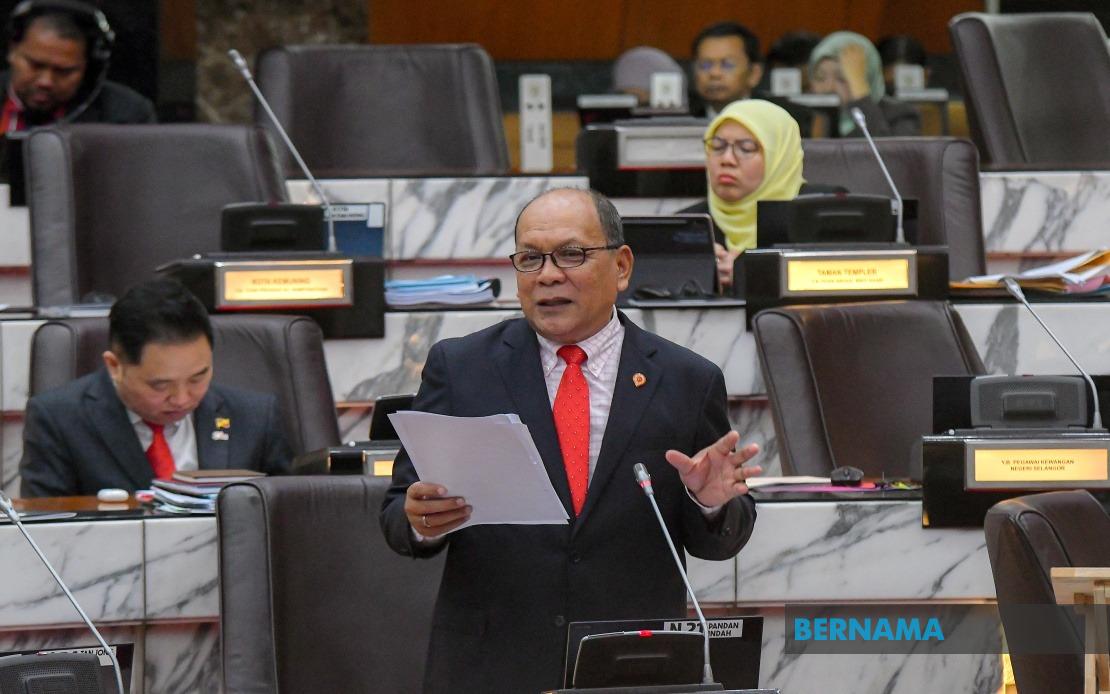
The Selangor state government is confronting a mounting crisis of criminal activity at its pump houses, with infrastructure vandalism and component theft inflicting financial damage estimated between RM200,000 and RM400,000. The problem extends beyond mere monetary loss, as the criminal targeting of these facilities has begun to undermine the state's capacity to respond effectively to flooding emergencies. During this week's State Legislative Assembly sitting in Shah Alam, the Infrastructure and Agriculture Committee chairman Datuk Izham Hashim confirmed that authorities are intensifying their response to the deteriorating security situation.
The vulnerability of Selangor's pump house network reveals a critical gap in the state's flood management infrastructure. These facilities, essential to drainage and irrigation operations, have become attractive targets for thieves seeking valuable metals and components that can be sold for scrap. When vandals and thieves disable or damage pumping equipment, the cascading effect compromises the entire flood mitigation system that residents across the densely populated state depend upon during monsoon seasons. The timing of such incidents during peak rainfall periods can magnify their impact, potentially transforming manageable water flow situations into problematic flooding scenarios that affect thousands of households and businesses.
Selangor's topography and rapid urbanisation have historically made the state susceptible to flash flooding. The pump houses serve as critical nodes in a carefully calibrated network designed to move water away from populated areas and back into designated waterways. When even a single facility is rendered inoperative through theft or sabotage, hydraulic pressure redistributes across the remaining operational infrastructure, potentially causing bottlenecks and overflow conditions in connected drainage systems. This systemic vulnerability explains why the state government has elevated the security challenge from a routine maintenance concern to a matter warranting high-level political attention.
Datuk Izham's statements suggest that security shortcomings at these facilities stem from inadequate physical protection and insufficient monitoring systems. The Infrastructure and Agriculture Committee has now instructed the Drainage and Irrigation Department and the Public Works Department to implement comprehensive security enhancements. The installation of closed-circuit television cameras represents a foundational step toward continuous surveillance, designed to deter potential offenders and provide investigators with evidence should incidents occur. However, CCTV alone cannot address the underlying vulnerability, particularly at remote or least-monitored facilities where thieves may operate with minimal risk of immediate detection.
The engagement with Selangor's police leadership signals recognition that vandalism and theft at pump houses constitute criminal matters requiring law enforcement expertise and resources. Police can conduct investigations when incidents occur, but prevention demands sustained enforcement presence and intelligence gathering about organised theft networks targeting infrastructure components. The state government's outreach to security agencies indicates an intention to explore whether private security contractors might supplement police resources at the most vulnerable locations. Such an approach would require careful budgeting, as security costs must be calibrated against the value of equipment being protected.
Jefri Mejan, the elected representative for Ijok under the Perikatan Nasional banner, raised the issue in the legislative assembly, framing it as a broader problem affecting flood management effectiveness. His supplementary question suggests that constituents in his district have experienced either direct flooding impacts or disruptions stemming from damaged pump infrastructure. The legislative query transforms a technical maintenance problem into a public accountability matter, compelling the government to articulate its response strategy for constituents across Selangor who depend on functional flood management systems.
The financial implications of the RM400,000 cost estimate merit consideration within Selangor's broader infrastructure budget. While significant, this figure likely represents only direct repair expenses and may not capture secondary costs such as emergency response to flooding incidents, business disruption, or damage to property when pump houses fail. Moreover, the upward trajectory of such costs suggests an accelerating problem. If the current trend continues without effective intervention, annual expenses could climb substantially, diverting resources from other infrastructure priorities or necessitating budget reallocations that affect service delivery elsewhere.
The security measures outlined by Datuk Izham address the immediate challenge of detecting and potentially deterring criminal activity, but they do not address the underlying appeal of pump house components to thieves. Metal theft remains profitable in Malaysia where scrap metal markets remain active despite regulatory frameworks. Addressing the demand side of this criminal equation would require coordinated action with scrap metal dealers and commodity trading platforms to ensure proper documentation and verification of material origins. Such cooperation demands engagement beyond the Drainage and Irrigation Department and into economic regulation and law enforcement specialising in organised theft networks.
For Malaysian readers and policymakers beyond Selangor, this situation illustrates a broader vulnerability affecting infrastructure across the country. Critical systems managing water, electricity, and transportation remain dependent on physical components that possess intrinsic value in secondary markets. As urbanisation accelerates and infrastructure networks expand, the challenge of protecting these systems against criminal targeting intensifies. States like Perak, Pahang, and Johor with significant agricultural irrigation requirements face comparable risks to their pump infrastructure. The Selangor government's response, should it prove effective, may serve as a template for other jurisdictions grappling with similar problems.
The coordination between state agencies, police, and potentially private security providers represents an emerging model for protecting infrastructure in an era of resource constraints and growing security threats. Successful implementation will require sustained political commitment, adequate funding, and genuine interagency cooperation. The coming months will reveal whether the announced measures prove sufficient to reverse the trend of escalating vandalism and theft, or whether more comprehensive strategies addressing root causes of criminal targeting become necessary to protect Selangor's flood management capacity and the communities that depend upon it.

