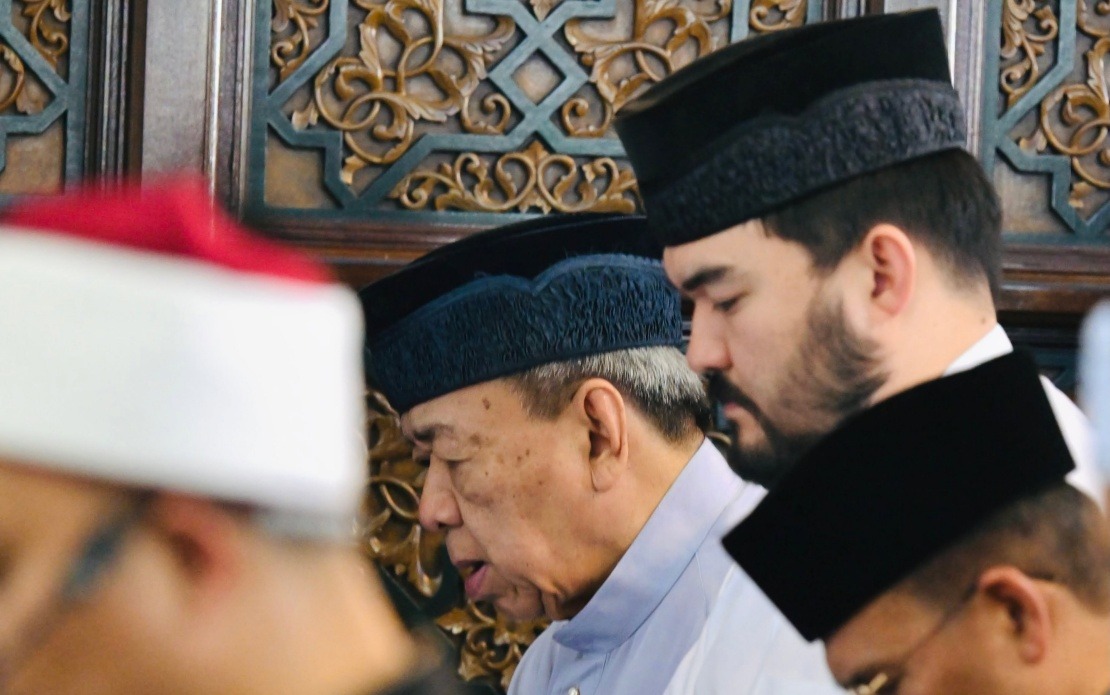
Sultan Sharafuddin Idris Shah, the Ruler of Selangor, has issued a significant call for the Muslim community to embrace compassion towards animals in all forms, reflecting deeper principles within Islamic teaching about humanity's relationship with the natural world. Speaking through a statement released via the Selangor Royal Office on social media, His Royal Highness emphasised that showing kindness to creatures extends beyond domestic pets to encompass strays and wildlife, positioning animal welfare as a fundamental religious obligation rather than an optional virtue.
The Sultan's message comes in alignment with Friday sermons delivered across Selangor's mosques, each bearing the thematic title 'Ihsan Terhadap Mahkluk Allah SWT' — a phrase that translates to compassion or beneficence towards the creatures of Allah the Almighty. By coordinating this spiritual guidance across the state's religious institutions, the Selangor leadership has amplified the reach and significance of the message, ensuring that congregations from various communities receive consistent teachings on this aspect of Islamic practice. His Royal Highness subsequently urged worshippers and believers to take time to genuinely reflect upon and internalise the substance of these sermons, moving beyond passive listening to active engagement with their meaning.
Central to the Sultan's articulation of this religious duty is the concept of human stewardship over creation. Drawing on Islamic theology, he framed mankind's relationship with the environment as one of profound responsibility, noting that humans function as custodians of Earth rather than its absolute masters. This stewardship extends across a comprehensive spectrum — animals, vegetation, geographical features including mountains, and aquatic ecosystems all fall under humanity's obligation to nurture, protect, and manage with conscientious care. The Sultan positioned each element of the natural world as a manifestation of divine grandeur, with their preservation and continued existence serving as ongoing testimony to Allah's creative power.
The theological foundation for this approach draws significantly from the exemplary conduct of Prophet Muhammad, whom the Sultan identified as a figure who placed considerable emphasis on how Muslims should interact with animals. Islamic teaching, as the Sultan explained, mandates that followers treat creatures mercifully by ensuring their basic needs — providing sustenance and water — are met, at minimum establishing a floor below which treatment must never fall. The broader directive extends further, absolutely prohibiting cruelty or unnecessary harm to any living being that Allah has fashioned. This framing transforms animal kindness from an act of personal virtue into a compliance with divine law.
Yet the Sultan acknowledged a practical complexity that often creates tension in contemporary discussions around wildlife management and animal protection. He recognised that circumstances exist where wild animals may pose genuine threats to human safety or inflict substantial damage to property and livelihoods. In these scenarios, Islam does not demand that believers passively accept harm or loss; rather, the faith permits and indeed validates protective measures taken to prevent injury or destruction. The Sultan grounded this permission within the framework of Maqasid Syariah — the overarching objectives of Islamic law — specifically citing the preservation of human life and the protection of material property as valid justifications.
The significance of this nuanced position lies in its rejection of false dichotomies that sometimes emerge in animal welfare debates. The Sultan explicitly stated that showing compassion toward animals and safeguarding human welfare are not opposing values locked in perpetual conflict; instead, they represent complementary dimensions of Islamic ethics when properly understood. This balanced perspective reflects a characteristic of Islamic jurisprudence that seeks proportionality and context in applying moral and legal principles. A farmer defending crops from wildlife destruction, or a community removing a dangerous predator, need not experience guilt over perceived violation of animal protection values — their actions remain consistent with Islamic principles when motivated by legitimate protective concerns.
For Malaysian readers and Southeast Asian observers, the Sultan's intervention carries particular relevance given the region's ongoing struggles with human-wildlife conflict and conservation challenges. Countries across Southeast Asia grapple with habitat loss, urban encroachment into wildlife territories, and the consequent rise in dangerous encounters between people and animals. Malaysia itself has witnessed increasing incidents of elephants, tigers, and other large animals entering human settlements, creating genuine safety dilemmas for both communities and conservation efforts. The Sultan's articulation of a religiously-grounded framework that permits protective action while maintaining emphasis on compassion offers potential common ground for stakeholders with different priorities.
The statement also carries implications for how Islamic teaching might inform environmental policy and animal welfare legislation across Muslim-majority regions. By elevating animal welfare to a matter of religious obligation rooted in prophetic tradition and divine commandment, the Selangor Sultan provides religious authority for stronger protections. Simultaneously, his acknowledgment of legitimate conflicts between animal and human interests suggests that comprehensive animal welfare frameworks need not become impediments to practical human concerns. This could help facilitate dialogue between conservationists, religious scholars, and communities affected by wildlife conflicts, each of whom might find validation within the Sultan's carefully articulated position.
The timing of this message, delivered through official channels during Friday sermons, suggests deliberate effort to embed animal welfare considerations into regular spiritual practice for Muslim Malaysians. Rather than treating compassion toward animals as a peripheral concern addressed occasionally, the integration into weekly religious observance normalises it as central to Islamic identity and practice. This approach may gradually influence cultural attitudes toward strays, wildlife, and environmental stewardship more broadly. For a region where urban stray populations present recurring public health and welfare concerns, such cultural shifts toward greater compassion could complement government initiatives and NGO efforts.
Moving forward, the Sultan's statement establishes a principle that other Malaysian states and religious authorities might adopt or adapt. His framing creates space for Islamic-grounded animal welfare advocacy without requiring rejection of Islamic jurisprudence or accusations of religious contradiction. For international observers concerned about conservation in Southeast Asia, the message demonstrates how local religious leadership can advance environmental and animal welfare objectives by grounding them in existing theological tradition rather than imposing external frameworks. This culturally-rooted approach often proves more persuasive and durable than policies perceived as imported or secular.

