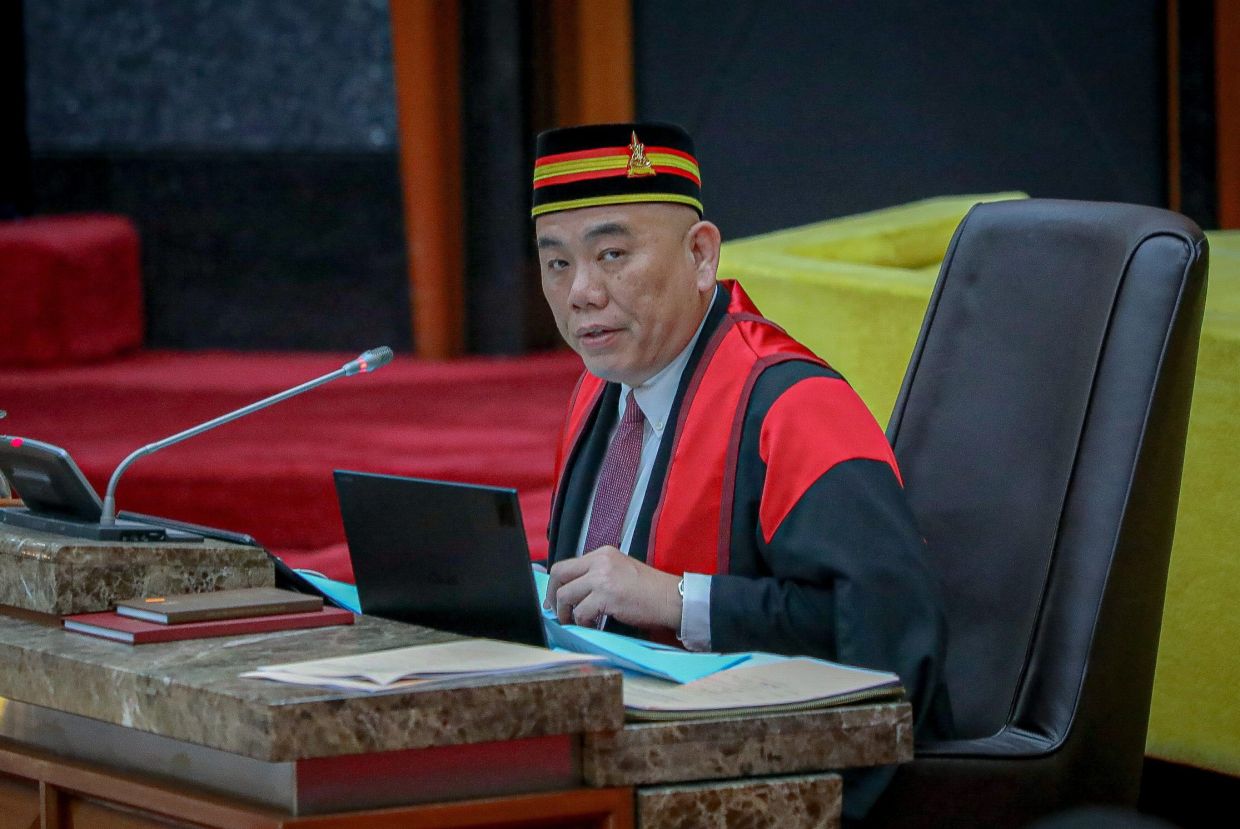
Speculation about potential by-elections in Selangor has been decisively dismissed after the state Speaker, Lau Weng San, announced that a comprehensive review of all assemblymen revealed no cause for any representative to lose their seat. The announcement, made during a press conference on the sidelines of Thursday's state assembly sitting in Shah Alam, brings closure to weeks of uncertainty that had gripped political circles in the state.
The review, completed by August 10, examined all state assemblymen across all political parties and assessed the circumstances surrounding each representative. Lau emphasised the rigorous nature of the process, noting that the checks were comprehensive and involved an examination of multiple aspects relating to each member's eligibility and standing. The thorough nature of the exercise was designed to provide definitive clarity and ensure that no grounds existed for any seat to be vacated involuntarily.
The announcement came as relief following earlier speculation centred on a bankruptcy order against one state assemblyman. That particular concern had prompted discussions about the possibility of a by-election in one of Selangor's constituencies. However, the High Court subsequently set aside the bankruptcy order, removing what had been the primary trigger for concern about potential vacancies. The Speaker's formal confirmation that no seats would be affected now provides legal and political certainty to the state legislature.
Beyond addressing the vacancy question, Lau used the opportunity to tackle another persistent concern within the state assembly: attendance levels among elected representatives. Acknowledging that assemblymen occasionally miss sittings, he announced that the state would publish a list of frequently absent members on social media platforms. This move reflects growing public and institutional expectations for transparency regarding legislative attendance and accountability among elected officials.
The Speaker outlined the established protocols for managing absences within the state assembly. Those seeking to be away during sittings are required to submit written requests for leave in advance. Lau provided an example of the Bandar Baru Klang representative, who had submitted a formal leave request after undergoing surgery and following medical advice to rest for a week. This illustration served to distinguish between legitimate absences with prior notification and unexplained non-attendance, which remains problematic.
The scale of absenteeism, while not severe, warrants ongoing attention. Lau revealed that the state assembly typically records between three and five absent members at each sitting. While no legal obligation exists for assemblymen to inform the secretariat of their absence, the Speaker appealed to representatives to recognise the value and significance of their attendance. Missing sittings means missing opportunities to pose questions to the government, receive ministerial responses, table proposals, and listen to important updates during winding-up speeches where significant policy announcements are often made.
In a notable procedural observation, Lau indicated that state executive councillors might exercise discretion in declining to address questions from absent assemblymen during winding-up sessions. This flexibility serves a practical purpose of conserving time and ensuring that members who have committed to attending the sitting receive the government's full attention and engagement. The measure indirectly incentivises attendance by signalling that participation carries tangible benefits.
Given that Selangor's state assembly convenes relatively infrequently—approximately three times annually with each session lasting roughly two weeks or less—Lau urged members to treat these sittings as priorities in their schedules. He recommended that assemblymen coordinate their constituency work, meetings, and other obligations to avoid conflicts with scheduled assembly sessions. While exceptional circumstances, such as immediate family bereavement requiring funeral arrangements, are understandable grounds for absence, most other commitments should be deferred or rescheduled.
The Speaker noted a degree of flexibility in how attendance is measured. Even if members arrive after proceedings have commenced, they are credited as present if they participate in any portion of the sitting. This approach acknowledges the realities of travel and scheduling constraints while maintaining the principle that assembly participation matters. The distinction between partial and full attendance exists primarily to encourage maximum engagement rather than to penalise unavoidable delays.
Financial incentives are also embedded within the attendance framework. Assemblymen receive attendance allowances differentiated by session timing: RM200 for morning sessions and RM150 for afternoon sessions. These modest payments, while not substantial, represent additional compensation tied specifically to physical presence during legislative proceedings. The dual-rate structure reflects the convention that morning sessions often run longer and may demand greater concentration.
The Speaker's remarks must be understood within the broader context of Southeast Asian legislative practice, where state assemblies often serve as crucial forums for local governance and constituent representation. Selangor, as Malaysia's most populous and economically significant state, depends on effective and engaged legislative oversight. Weak attendance can undermine the assembly's capacity to scrutinise executive decisions and represent the interests of constituents across the diverse constituencies within the state.
Lau's decision to publish attendance records publicly introduces an element of constituent accountability that extends beyond the legislature itself. Voters and civil society organisations will have access to data showing which representatives consistently miss sessions, enabling informed evaluation during future electoral cycles. This transparency mechanism reflects evolving expectations around legislative professionalism and the responsibilities that accompany elected office in Malaysian state politics.

