Selangor is making headway on a significant land recognition initiative, with over 50 percent of the state's 74 officially listed indigenous villages currently progressing through the gazetting process. The announcement comes as the state government intensifies efforts to formalise the status of these communities, a move that carries substantial implications for indigenous land rights and resource access across the peninsula's most developed and densely populated state.
V. Papparaidu, chairman of Selangor's human resources and poverty eradication committee, expressed optimism that the gazetting trajectory will yield tangible progress before the calendar year concludes. The formal recognition of indigenous villages through gazetting represents a critical step in securing tenure and enabling communities to access government services and development programmes. For many of these settlements, which have existed for generations but lack formal legal status, the process unlocks pathways to infrastructure investment, educational facilities, and economic opportunities that have long remained out of reach.
The gazetting initiative, however, confronts a thorny obstacle that reflects Malaysia's complex land governance architecture. Several indigenous villages occupy parcels designated as Malay reserved land, a classification that creates legal friction and complicates the recognition process. These overlapping claims stem from historical administrative decisions that did not account for pre-existing indigenous occupation, resulting in a situation where communities have legitimate ancestral connections to territories now formally reserved for Malay use. Resolving such conflicts requires coordinated action across multiple government tiers and a willingness to navigate sensitivities around land policy.
To untangle these jurisdictional knots, Selangor's administration has committed to collaborating with district officers, the frontline officials responsible for land administration at the local level. This ground-level engagement is essential, as district officers possess detailed knowledge of individual village circumstances, historical land transactions, and relationships with surrounding communities. Their involvement signals a pragmatic approach that moves beyond top-down mandates to incorporate the nuanced realities of specific locations. Additionally, the state has signalled that gazetting efforts will expand beyond the current 74 listed villages, suggesting an openness to recognising additional settlements that may not yet appear on official registers but have legitimate claims to indigenous heritage and continuous habitation.
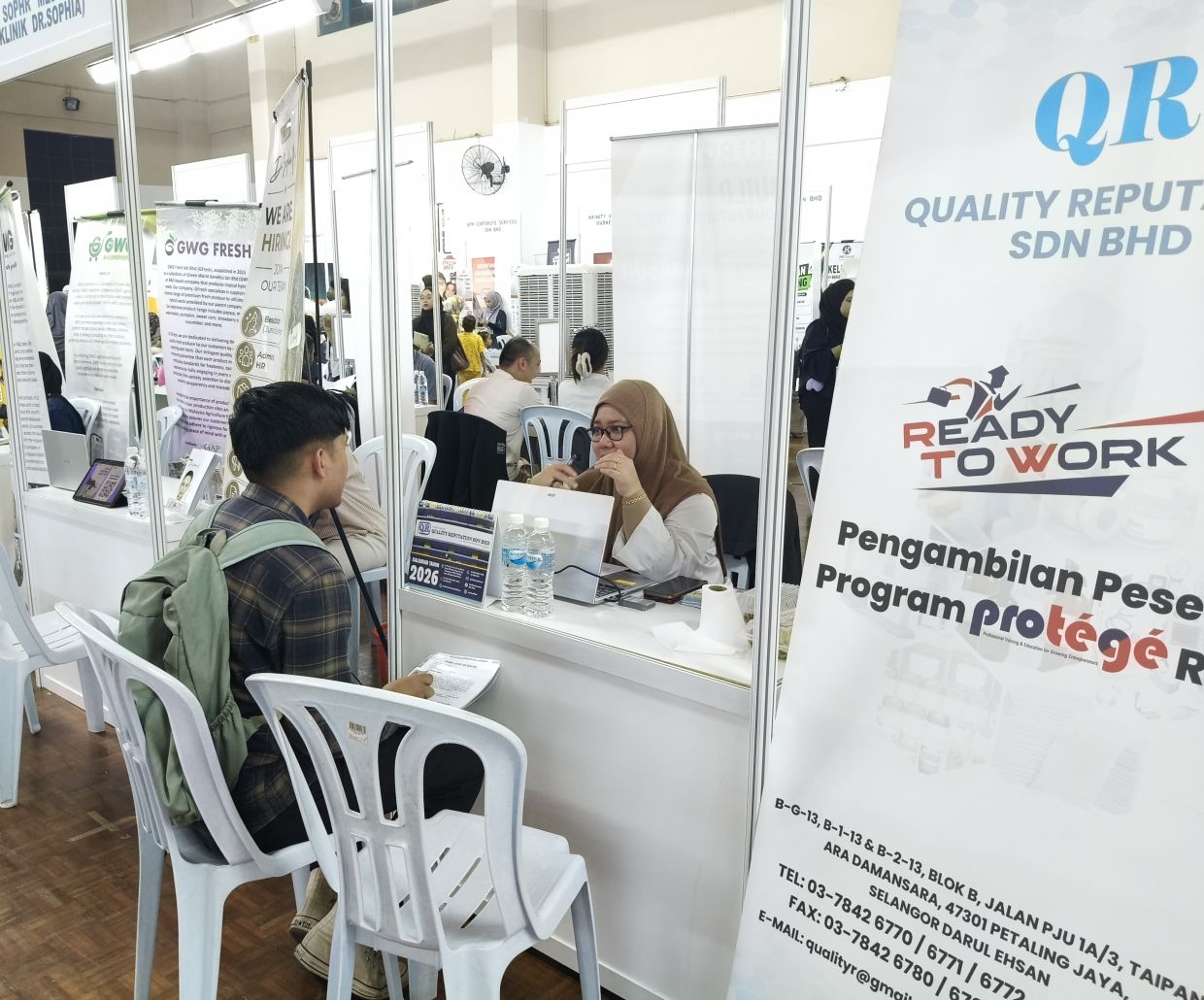
Beyond land recognition, Selangor is simultaneously pursuing employment and skills development initiatives that address the economic vulnerabilities often present in marginalised communities. A job carnival held on August 15 in Hulu Selangor, held concurrently with the Jelajah Wanita Berdaya Tahan Selangor 2026 event, showcased the state's broader workforce development strategy. The event featured 38 companies offering 5,785 positions across multiple sectors and geographic locations. Of these vacancies, 5,005 positions were situated within Selangor itself, while the remainder spanned into neighbouring Perak and Negri Sembilan, reflecting employment patterns in the wider Klang Valley and Subang Jaya industrial corridor.
Manufacturing emerged as the dominant employment sector at the carnival, accounting for 2,560 of the available positions. This concentration underscores the continuing centrality of the manufacturing industry to Selangor's economy, even as the state pursues economic diversification into services and knowledge-based sectors. Notably, 63.56 percent of the positions advertised carried monthly compensation exceeding RM2,500, suggesting that a meaningful proportion of opportunities offer wages above the subsistence level. For those aspiring to managerial roles, the salary bands ranged from RM8,000 to RM10,000 monthly, indicating that career progression pathways exist for workers willing to acquire relevant qualifications and experience.
Recognising that many potential workers lack formal credentials, the Selangor government has established the Selangor Technical Skills Development Centre, an institution designed to equip youths with practical competencies aligned to labour market demands. The centre's curriculum responds to identified skills gaps and sector-specific requirements, enabling school leavers and job seekers to transition more readily into employment. This institutional investment reflects an understanding that credentials alone do not guarantee employability; workers must also demonstrate hands-on proficiency and industry-relevant knowledge.
A particularly instructive dimension of the state's skills initiative concerns its engagement with teachers lacking formal tertiary qualifications. Many educators, particularly in rural and underserved areas, entered the profession directly after completing secondary education, driven by immediate economic necessity or family circumstance rather than deliberate career planning. The Selangor government has supported 20 to 30 such teachers in obtaining diplomas through an intensive three-month programme, culminating in a Malaysian Skills Certificate at level 4, formally equivalent to a diploma. This credential enhancement carries tangible financial benefits; teachers possessing diploma-level qualifications command higher salary scales than those with only secondary credentials, creating an incentive structure that rewards further education.
The state's commitment to workforce development extends to marginalised groups often excluded from conventional employment pathways. The job carnival incorporated a career comeback programme operated by Talent Corporation Malaysia Berhad, specifically targeting mothers seeking to re-enter the labour force after career interruptions. Such programmes acknowledge the gendered dimensions of employment precarity and recognise that caregiving responsibilities, while socially essential, frequently disrupt women's career trajectories. Simultaneously, the Social Security Organisation provided resume review services, a seemingly modest but practically valuable offering that helps job seekers articulate their qualifications and experience in formats appealing to potential employers.
The integration of land rights recognition, employment promotion, and skills development within a broader state policy framework reflects an emerging consensus that sustainable development for marginalised communities requires simultaneous action across multiple domains. Indigenous villages cannot thrive through land gazetting alone if residents lack income-generating opportunities; conversely, employment programmes struggle to achieve lasting impact if communities remain uncertain about land tenure or lack infrastructure supporting worker participation. By coordinating these initiatives, Selangor signals recognition that comprehensive approaches yield more durable outcomes than sectoral interventions pursued in isolation.
For Malaysian policymakers observing these developments, Selangor's experience offers instructive lessons as other states contemplate similar land recognition initiatives. The challenges Selangor confronts—reconciling indigenous claims with existing land reservations, coordinating across government agencies, linking recognition to tangible economic opportunity—are not unique to the state but reflect broader structural tensions within Malaysia's federal land administration system. As indigenous land rights attract growing international attention and domestic advocacy, how successfully Selangor resolves these tensions may influence approaches adopted across the peninsula.

