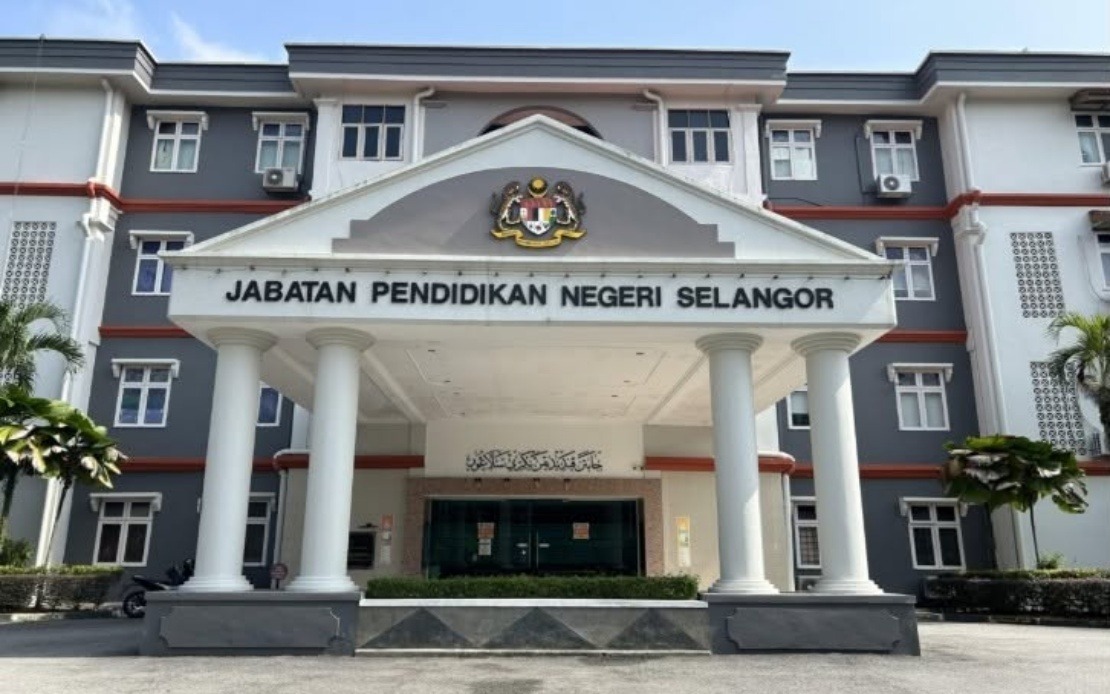
The Selangor State Education Department (JPN) has committed to lending its full support to authorities investigating an alleged bullying incident at a secondary school in Rawang that gained significant traction online after a video of the alleged misconduct circulated across social media platforms. In an official statement released from Shah Alam on July 12, the education body made clear that the matter demands urgent attention and thorough examination, signalling a zero-tolerance approach to student misconduct that threatens the safety and welfare of learners in state schools.
The department stressed that no individual implicated in the incident would receive preferential treatment or protection during the investigative process. This declaration represents an important reassurance to parents and the broader public that the inquiry will be conducted with impartiality and rigour, without any attempt to shield perpetrators from accountability based on position, family connections, or other considerations that might otherwise compromise the integrity of such investigations.
According to the statement, the Selangor JPN has signalled its readiness to apply strict disciplinary measures against any students or other parties found to bear responsibility for the bullying incident, provided such findings are substantiated through proper investigation. The department's position reflects established protocols and regulations governing student conduct in Malaysian secondary schools, which typically include suspension, expulsion, or mandatory counselling depending on the severity of infractions and institutional policies.
The case has drawn particular attention because of its viral circulation on social media, a phenomenon that increasingly characterises how school-related incidents gain public visibility in Malaysia. This particular incident demonstrates the speed with which digital platforms can amplify concerns about student safety and institutional accountability, placing pressure on education authorities to respond visibly and decisively to maintain public confidence in the school system.
The investigation remains ongoing under police direction, with the Selangor JPN operating in a supporting capacity to ensure that all relevant documentation, witness statements, and contextual information are made available to law enforcement. This multi-agency approach, combining education department expertise with police investigative capacity, reflects recognition that bullying incidents often require both disciplinary action within the school system and potentially criminal investigation if assault or other offences are involved.
Bullying in Malaysian schools remains a persistent concern among parents, educators, and policymakers. Incidents range from verbal harassment and exclusion to physical violence, and the advent of social media has introduced new dimensions through cyberbullying and the rapid dissemination of recordings. The Rawang case exemplifies how a single incident can escalate from a localised school matter to a topic of national discussion and concern, creating pressure on institutions to demonstrate that they take student welfare seriously.
The department's appeal to the public to respect the investigative process reflects standard practice in cases where findings could lead to disciplinary or legal consequences. Premature judgement or ongoing social media commentary, while understandable given public interest, can complicate investigations and potentially prejudice outcomes if cases proceed to formal hearings or legal proceedings. The department's position seeks to balance transparency with procedural fairness.
For Malaysian parents, particularly those in Selangor, this development underscores the importance of schools maintaining robust mechanisms for reporting and addressing bullying complaints. While the Selangor JPN's commitment to cooperation is welcome, the broader question for school communities involves establishing preventive measures such as peer support programmes, counselling services, and clear reporting channels that enable early intervention before incidents escalate to the point of going viral online.
The incident also highlights the role of social media in school governance and accountability. While such platforms can expose serious misconduct that might otherwise be concealed or minimised, they also create challenges around due process, privacy concerns for minors, and the potential for misinformation. Educational institutions across Malaysia will be observing how this case is handled, as the approach taken could set expectations for future incidents involving student misconduct.
Moving forward, the Selangor JPN's investigation will likely inform broader discussions about bullying prevention strategies in state schools. Beyond the immediate disciplinary consequences for those involved, there may be opportunities to examine what systemic factors allowed the incident to occur and what institutional changes could prevent recurrence. Such reflective approaches have become increasingly common in education systems worldwide following high-profile bullying cases.
The outcome of this investigation will be particularly significant given the public attention already generated. How thoroughly the authorities investigate, how transparently they communicate findings, and how fairly they apply consequences will influence public trust in the education system's capacity to protect student welfare. The Selangor JPN's initial commitment to cooperation sets an important tone, but implementation will ultimately determine whether that commitment translates into meaningful accountability and reform.

