The Selangor Islamic Religious Council (MAIS) has provided formal clarification that the Musala IOI City Mall in Putrajaya received authorization to conduct Friday prayers beginning September 6, 2024. This approval followed a deliberate assessment process by the Selangor State Mosque and Surau Governance Committee (JATUMS) and required explicit consent from Sultan Sharafuddin Idris Shah, the reigning Sultan of Selangor, underscoring the formal religious and administrative protocols involved in such decisions.
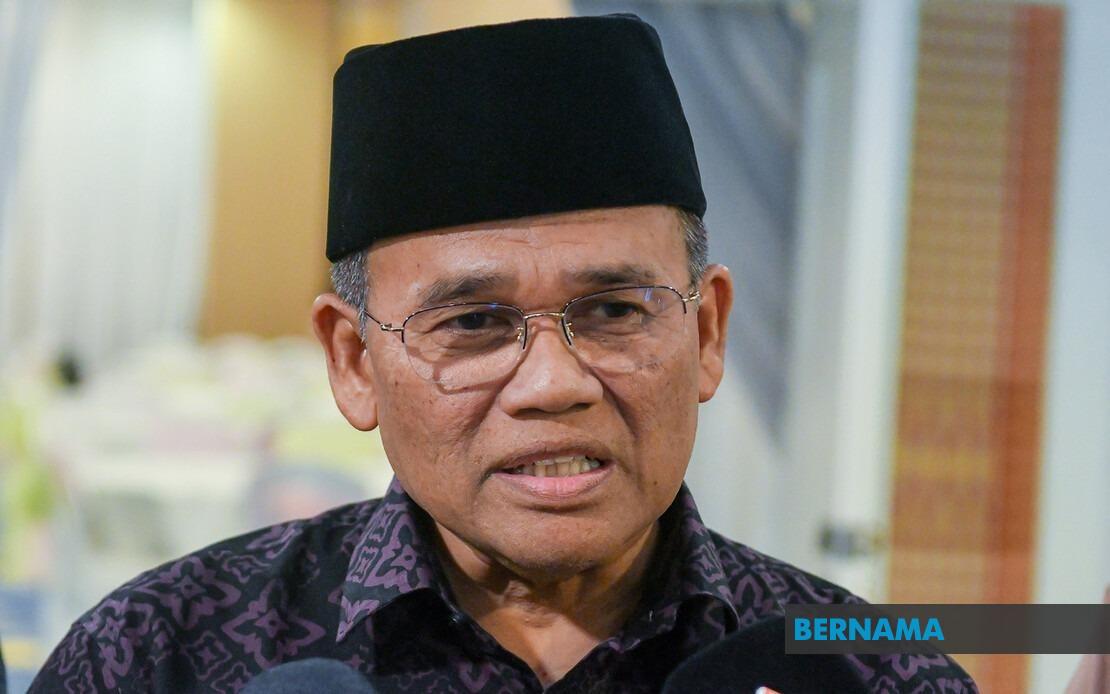
According to Datuk Salehuddin Saidin, who chairs MAIS, the authorization was granted after officials concluded that the shopping centre premises employed and attracted a substantial population of Muslim male workers and visitors. The sheer volume of individuals working at and frequenting IOI City Mall rendered it impractical for these Muslim workers to access nearby mosques for their weekly congregational prayers, a key religious obligation in Islam.
The geographical challenge facing Muslim workers at the mall proved significant in MAIS's reasoning. The nearest established mosques—Masjid Al-Mustaqim Kampung Dato' Abu Bakar Baginda and Masjid UNITEN, Kajang—lie approximately 7.6 and 7.7 kilometres away respectively. For workers with limited prayer time during their workday, such distances effectively precluded attendance at these facilities, particularly during the Friday prayer slot when many employees face scheduling constraints.
Beyond distance, both nearby mosques presented capacity limitations that compounded the problem. Neither facility possessed the physical infrastructure to accommodate the scale of congregants who would ideally attend Friday prayers if they had convenient access. This combination of distance and inadequate capacity at existing venues formed the substantive basis for granting the mall's musala this exceptional permission, setting it apart from MAIS's general policy stance.
Importantly, MAIS has explicitly categorized this authorization as temporary rather than permanent. The approval carries an automatic sunset clause: the permission will terminate once a proper mosque facility is constructed in the vicinity of IOI City Mall and becomes operational. This contingency reflects MAIS's preference for purpose-built mosques over commercial space conversions and suggests that authorities are actively considering or planning permanent mosque infrastructure in the Putrajaya region to serve the burgeoning workforce there.
The clarification from Datuk Salehuddin came in response to earlier statements made on Tuesday when he indicated that Sultan Sharafuddin had withheld general consent for shopping centre suraus and musalas to hold Friday prayers throughout Selangor. This apparent contradiction initially created confusion about the mall's status, prompting MAIS to elaborate that the IOI City Mall represented a specific exception to this broader restriction rather than a reversal of policy.
The distinction matters considerably for understanding Selangor's regulatory approach to Islamic worship spaces. While the state maintains a restrictive default position on Friday prayers in commercial settings, recognizing legitimate religious accommodation needs in specific circumstances allows flexibility where demographic and infrastructural realities demand it. This nuanced approach reflects the complexity of administering Islamic affairs in a rapidly urbanizing state with significant workplace religious obligations.
MAIS has committed to working closely with the Selangor Islamic Religious Department (JAIS) to ensure that Friday prayer management and implementation across the state proceeds systematically and adheres to Islamic jurisprudence and relevant legal statutes. This collaborative institutional framework aims to maintain orderly conduct of religious observances while protecting Muslim interests in Selangor, balancing religious freedom with administrative oversight.
For Malaysia's broader context, the IOI City Mall precedent illustrates how religious authorities navigate modern workplace demographics. As shopping malls and commercial centres increasingly host large Muslim workforces, particularly in federal territories and expanding urban regions like the Selangor-Putrajaya corridor, questions about adequate prayer facilities become administrative necessities rather than marginal concerns. The MAIS decision essentially acknowledges this demographic reality while preserving the principle that permanent, dedicated mosque infrastructure remains the preferred long-term solution.
The case also demonstrates the hierarchical religious governance structure in Malaysia's federal system. The requirement for sultanic consent in Selangor underscores how Islamic affairs remain substantially under state control, with the royal institution playing an active supervisory role over religious policy implementation. Such formal procedures, while sometimes appearing bureaucratic, embed accountability and ensure decisions reflect broader state Islamic institutional consensus.
For Malaysian Muslims working in sprawling commercial complexes, particularly in areas with limited mosque proximity, this decision provides practical relief while remaining cognizant of theological and administrative preferences for mosque-based worship. The temporary nature of the approval also signals to property developers and mall operators that expanding Muslim workforce accommodation requires parallel investment in permanent religious infrastructure rather than relying indefinitely on borrowed commercial space.

