The Selangor government is making a final push to encourage thousands of eligible former military and police officers to collect shopping vouchers worth RM200 before the programme expires on August 31. Launched on July 29 as part of the Warriors' Day initiative, the scheme has witnessed surprisingly low uptake, with fewer than 500 claims submitted from a potential pool of 8,391 non-pensioned veterans who qualify for the assistance.
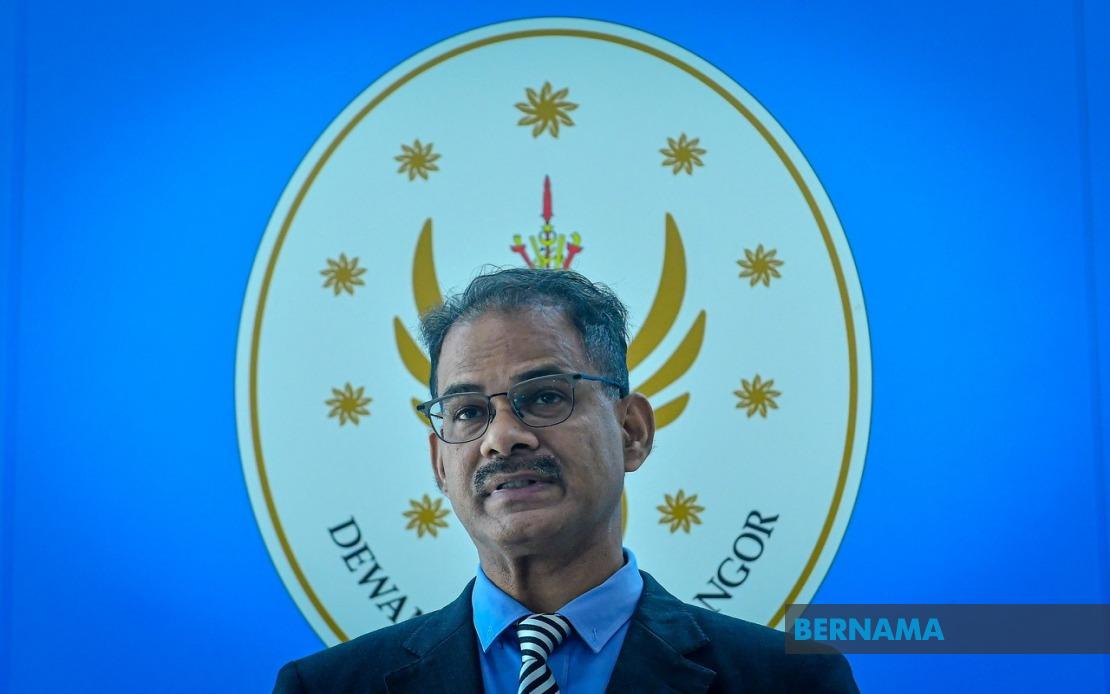
V. Papparaidu, chairman of the Human Resources and Poverty Eradication Committee, attributed the sluggish response partly to outdated contact information held by the state authorities. During outreach attempts, officials discovered that many veterans had changed their telephone numbers or relocated, creating communication barriers that prevented the government from effectively notifying them about the benefit. This administrative challenge reflects a broader problem affecting veteran support programmes across Malaysia: maintaining current databases of former service personnel who have left active duty and dispersed throughout the country.
Recognising these practical obstacles, the Selangor government relaxed claiming procedures to broaden access. Rather than insisting that only the named recipients collect their vouchers in person, the state now permits representatives or immediate family members to claim on behalf of eligible veterans. This flexibility acknowledges the reality that some former soldiers and police officers may be elderly, infirm, or living far from service centres, removing barriers that might otherwise prevent them from receiving the benefit.
The vouchers are distributed through State Legislative Assembly service centres across Selangor and stem from a total allocation of RM1.7 million dedicated to this welfare initiative. Recipient lists were compiled by the Department of Veterans Affairs and the Royal Malaysia Police, then cross-verified by the Selangor Economic Planning Unit and local assembly service centres to ensure accuracy and prevent duplicate claims or fraud. No formal application process exists; individuals meeting the criteria were automatically identified through official records and simply need to present themselves at their nearest centre to collect.
Participating supermarkets accept the vouchers for purchasing essential daily necessities, though certain items remain restricted. Cigarettes and alcoholic beverages cannot be bought using the credit, limiting purchases to household staples and food items. This restriction reflects the government's intention to direct assistance toward genuine welfare needs rather than discretionary consumption, ensuring public funds genuinely improve veterans' standards of living.
For Malaysian readers, this initiative carries particular resonance given the nation's emphasis on honouring service personnel and their families. The modest RM200 amount represents a token gesture, yet the gesture itself carries symbolic weight in a country that frequently celebrates its armed forces and police. However, the low claiming rate—only six percent of eligible recipients—raises questions about the effectiveness of government outreach and whether similar programmes elsewhere might be underutilised due to poor communication or awareness.
The August 31 deadline creates urgency, particularly for veterans who remain unaware of the programme's existence. The government's acknowledgment that contact tracing proved difficult suggests that future veteran support initiatives may need more robust publicity strategies, including partnerships with veteran associations, social media campaigns, and local community groups that maintain stronger connections with former service members than official channels alone.
Papparaidu framed the voucher scheme not merely as financial relief but as an expression of governmental gratitude toward those who sacrificed for national security. This rhetorical positioning situates welfare assistance within a broader narrative of national duty and reciprocal obligation, reflecting Malaysia's cultural values regarding respect for service and military contribution. The initiative demonstrates that even modest financial support, when accompanied by official recognition, can affirm a government's commitment to veteran welfare.
From a regional perspective, Malaysia's approach to non-pensioned veteran support mirrors challenges faced across Southeast Asia, where many retired service personnel fall outside formal pension systems and struggle with economic security during their later years. Unlike pensioned officers who receive regular income, non-pensioned veterans depend on irregular government assistance programmes like this voucher scheme, making such initiatives crucial to their financial stability.
The relatively small pool of 8,391 eligible non-pensioned veterans in Selangor likely reflects the state's relatively smaller military and police presence compared to other states, yet even this number suggests substantial untapped need. Each unclaimed voucher represents an elderly veteran or police retiree who may be forgoing assistance they genuinely require, whether due to ignorance of the programme, transportation difficulties, or administrative confusion.
As the August 31 deadline approaches, Selangor residents who served in the Armed Forces or Royal Malaysia Police without securing permanent pensions should urgently verify their eligibility at their respective State Legislative Assembly service centres. Given the relaxed claiming procedures, families of potential beneficiaries are encouraged to assist in the collection process, ensuring that this government support reaches those for whom it was intended and does not go unclaimed due to logistical barriers.

