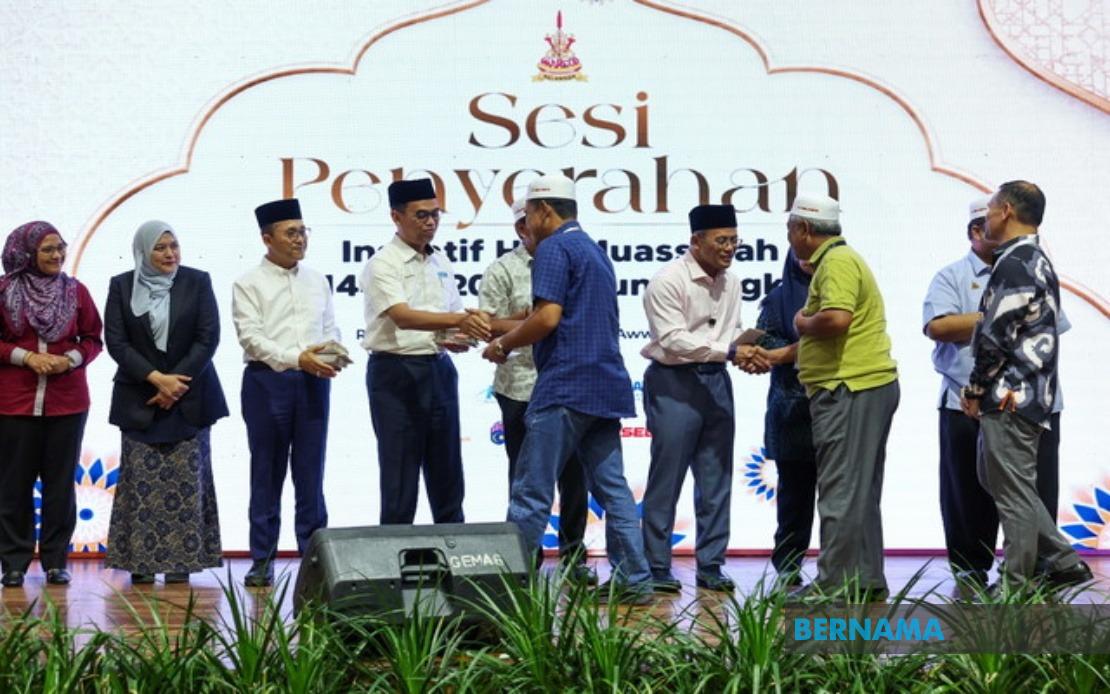
The Selangor state government is on track to complete its distribution of Haj preparatory assistance to all 6,000 eligible pilgrims by the end of September, according to Menteri Besar Datuk Seri Amirudin Shari. As of late August, more than 4,800 recipients had already received their allocations through the 2026 Muassasah Haj Incentive Programme, leaving approximately 1,000 beneficiaries still awaiting their payments. State officials are actively tracing and contacting remaining recipients to ensure the final phase of disbursement proceeds without further delays.
The initiative represents a significant commitment by the Selangor state administration to support Muslim pilgrims undertaking the sacred journey to Mecca. The Selangor Menteri Besar Incorporated Foundation, commonly known as Yayasan MBI, has overseen implementation of the programme with a total budget of RM9 million dedicated to assisting Muassasah pilgrims throughout the state. Each registered pilgrim receives RM1,500 to defray expenses directly linked to Haj preparation, such as purchasing religious attire and equipment, acquiring necessary medications, and securing other essential items required for the pilgrimage.
Amirudin announced this progress during an official ceremony in Puchong on August 26, where 259 recipients from the Dengkil state constituency received their assistance payments. The occasion was attended by Deputy Housing and Local Government Minister Datuk Aiman Athirah Sabu, who also serves as Member of Parliament for Sepang, underscoring the cross-party importance placed on this welfare initiative. The Putra Perdana Community Hall event formed part of a broader series of similar handover ceremonies scheduled across various constituencies throughout Selangor, ensuring transparent and organised distribution of funds to eligible pilgrims.
Beyond the immediate disbursement target, Amirudin outlined an ambitious roadmap for expanding the programme's generosity. The state government has set its sights on increasing the per-recipient assistance amount to RM2,000, a 33 percent boost from the current RM1,500 allocation. While cautious about committing firm timelines given potential fiscal pressures, Amirudin suggested this enhancement could materialise as early as 2027 or by 2028 at the latest, contingent upon the state's financial position and broader economic circumstances.
This expansion strategy reflects growing recognition among Malaysian state governments of the importance of supporting religious obligations within their constituencies. The Haj represents one of Islam's five pillars, and many Malaysian pilgrims, particularly from lower and middle-income backgrounds, face genuine financial barriers to fulfilling this duty. By providing targeted assistance, Selangor distinguishes itself among Malaysian states committed to facilitating religious fulfilment for its diverse Muslim population, thereby addressing a social welfare gap that individual family resources might not adequately cover.
The Muassasah category of pilgrims traditionally comprises individuals who register through the religious department's official Haj pilgrim quota system, distinct from private hajj tour operators. These pilgrims typically represent the state's organised pilgrimage pathway, making them priority beneficiaries for government assistance programmes. By concentrating resources on this official channel, Selangor ensures equitable distribution while maintaining administrative oversight of fund allocation and recipient verification.
For Malaysian and Southeast Asian readers, this development carries implications extending beyond mere financial assistance. The proactive disbursement approach demonstrates how subnational governments in Malaysia increasingly tailor welfare programmes to address specific religious and cultural needs of their populations. As other Malaysian states observe Selangor's framework, similar initiatives may proliferate, creating a regional competitive dynamic in comprehensive pilgrim support services. This trend reflects broader demographic shifts and political attention to faith-based community needs across the region.
The timing of the 2026 Haj pilgrimage remains approximately two years away, providing recipients ample opportunity to plan their journeys and complete necessary preparations. The financial cushion of RM1,500 per pilgrim—and potentially RM2,000 in future years—addresses tangible barriers that have historically prevented qualified candidates from fulfilling this religious obligation. Medical consultations, vaccinations, appropriate clothing for Middle Eastern climates, and specialised equipment represent significant expenses that, when aggregated with international travel costs, can total several thousand ringgit for individual pilgrims.
Amirudin's cautious optimism regarding future increases acknowledges the complex fiscal reality confronting Malaysian state governments balancing religious and social welfare commitments against competing budgetary demands. State revenues, dependent partly on federal allocations and locally-generated income, fluctuate according to economic conditions and national policy shifts. By framing the RM2,000 target as aspirational rather than guaranteed, Amirudin maintains credibility while signalling genuine commitment to progressive enhancement of the programme whenever fiscal circumstances permit.
The completion of current disbursement by September positions Selangor recipients well ahead of the actual 2026 departure season, allowing recipients to incorporate the assistance into their broader Haj preparation planning. Financial advisors and religious scholars frequently recommend early allocation of resources for major life obligations, enabling better household budgeting and reducing last-minute financial stress. This procurement timeline thus reflects administratively competent programme management aligned with practical pilgrim needs.
Moving forward, the success of Selangor's Muassasah Haj Incentive Programme will likely influence deliberations in other Malaysian states regarding comparable initiatives. As religious and welfare considerations gain prominence in state-level political discourse, particularly in Muslim-majority regions, well-executed programmes demonstrating genuine impact on citizen welfare create benchmarks against which competing administrations measure their own governance performance. Selangor's transparent communication and systematic distribution approach establish professional standards potentially influencing regional policy development in faith-based welfare support throughout Malaysia and Southeast Asia.

