The Selangau-Mukah Interchange Flyover on Sarawak's Pan Borneo Highway will undergo a carefully staged reopening process, Works Minister Datuk Seri Alexander Nanta Linggi confirmed this week, with authorities prioritising structural integrity over speed in restoring the critical route. The assurance comes following a palm oil tanker collision that compromised Ramp 1 of the interchange, forcing closure of the vital transport corridor that connects communities across central Sarawak.
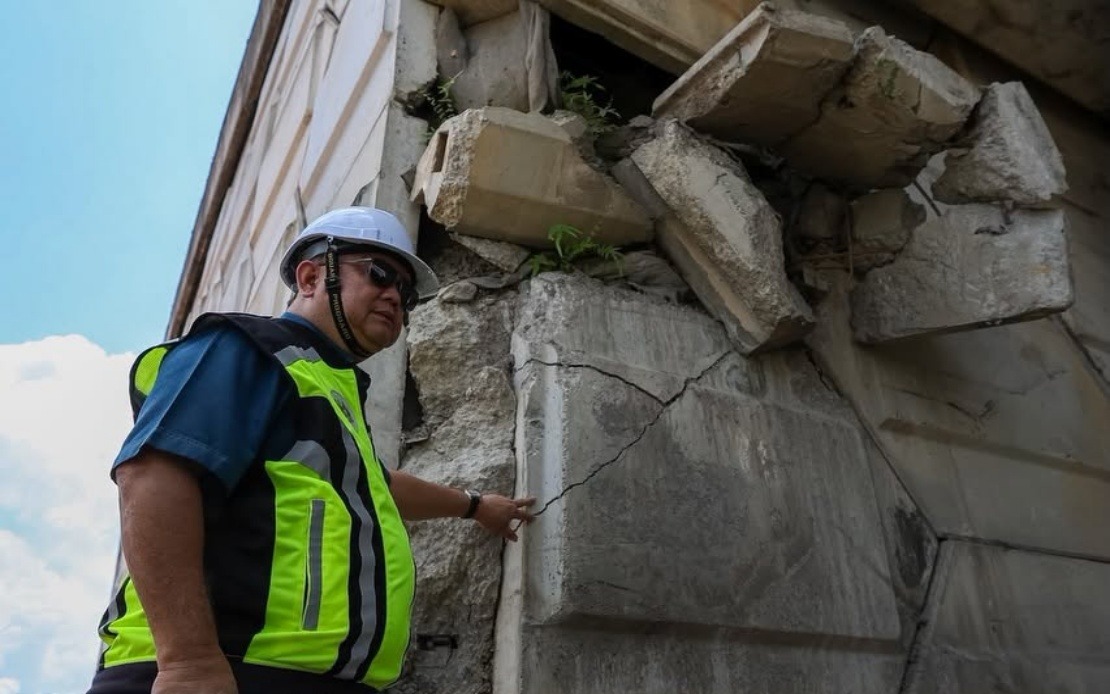
The incident revealed significant damage to the retaining wall structure supporting the affected ramp, necessitating comprehensive repair works before any portion of the route can safely resume operations. Nanta visited the site to assess conditions firsthand and brief stakeholders on the government's approach to remediation. The collision underscores the vulnerability of major infrastructure on busy highways and raises questions about safety barriers and vehicle containment systems at critical junctures.
Under the proposed strategy, sections of the interchange deemed structurally sound will reopen to traffic in successive phases as repairs progress, while segments still requiring work will remain sealed off to prevent accidents. This graduated approach aims to minimise disruption to the travelling public while ensuring no section is reopened prematurely. The Works Ministry will oversee the repair schedule closely to prevent unnecessary delays, recognising that prolonged closure imposes substantial costs on commuters and businesses dependent on the corridor.
The closure has created substantial inconvenience particularly for residents of Bintulu, Mukah, and Sibu who rely on this route for daily commerce, travel, and social interaction. The Pan Borneo Highway represents a major infrastructure investment designed to improve connectivity across Sarawak's interior, and any extended closure undermines its intended purpose. For small businesses, agricultural exporters, and workers commuting between towns, the closure translates to longer travel times, increased fuel consumption, and reduced economic productivity in an already geographically challenging region.
Nanta acknowledged the legitimate frustration expressed by communities through both conventional media channels and social media platforms, signalling that the government recognises public sentiment regarding infrastructure disruptions. This responsiveness to feedback reflects evolving expectations that government officials engage transparently with citizens on matters affecting their daily lives. Social media has become an important mechanism for residents to voice concerns about government services, and the minister's acknowledgment of this feedback demonstrates awareness of contemporary communication dynamics.
The minister outlined three foundational priorities guiding the recovery effort: unwavering commitment to safety standards that cannot be compromised, vigilant oversight of the repair schedule to prevent avoidable delays, and transparent communication with the public about alternative routes, affected closures, and reconstruction progress. These priorities establish clear hierarchy of values, placing road user safety above convenience and schedule adherence above cost considerations. Transparent communication proves particularly crucial in remote areas where rumour and speculation can spread rapidly when official information remains limited.
The technical assessment conducted on-site provided crucial data about damage extent and required remediation scope. Controlled structural repairs will target specific areas needing reinforcement, employing engineering protocols designed to restore the retaining wall's load-bearing capacity. The distinction between controlled repairs and more extensive reconstruction affects both timeline estimates and resource requirements, with controlled work suggesting targeted intervention rather than comprehensive replacement.
For Malaysian readers across the peninsula and peninsula-focused observers, this incident illustrates infrastructure vulnerabilities emerging across the nation's expanding highway network. As Malaysia develops more major interchanges and complex road junctions, establishing consistent safety protocols and response procedures becomes increasingly critical. The Selangau-Mukah situation provides a case study in crisis management and recovery communication that authorities in other regions can study and potentially adapt to their circumstances.
The closure's broader implications extend to regional economic connectivity. Sarawak's development depends substantially on reliable transport infrastructure linking interior communities to coastal ports and commercial centres. Disruptions to the Pan Borneo Highway ripple through supply chains for agricultural products, manufactured goods, and extractive industries. Extended closures can divert commerce to alternative routes, potentially shifting economic activity patterns and affecting tax revenues in affected municipalities.
Nanta's commitment to reopening the flyover only upon full safety restoration represents appropriate caution, especially given the potentially catastrophic consequences of premature reopening. Another collision or structural failure following insufficient repairs could prove far more damaging to public confidence in Malaysia's infrastructure than the current inconvenience. The minister's willingness to maintain closure despite public pressure demonstrates prioritisation of long-term safety over short-term political expediency, a principle that should guide infrastructure management across Malaysia.
Engineering assessments will determine precise repair timelines, which remain uncertain at this stage. Depending on damage severity and supply chain factors affecting construction materials, repairs could require weeks or months. The ministry has committed to regular public updates on progress, and residents should monitor official channels for reopening announcements rather than relying on unverified social media claims. As repairs proceed, authorities should document lessons learned regarding highway safety barriers, emergency response protocols, and design standards that might prevent similar incidents on other Malaysian highways.
The Pan Borneo Highway represents substantial national investment in Sarawak's development, and this incident necessitates comprehensive review of safety systems across the entire corridor. Similar examination of other major interchanges in Malaysia could identify vulnerabilities before incidents occur. Beyond immediate repairs to the Selangau-Mukah Flyover, this situation presents opportunity for systematic infrastructure safety enhancement across the nation's expanding highway network, ensuring that convenience and commerce do not compromise public safety.

