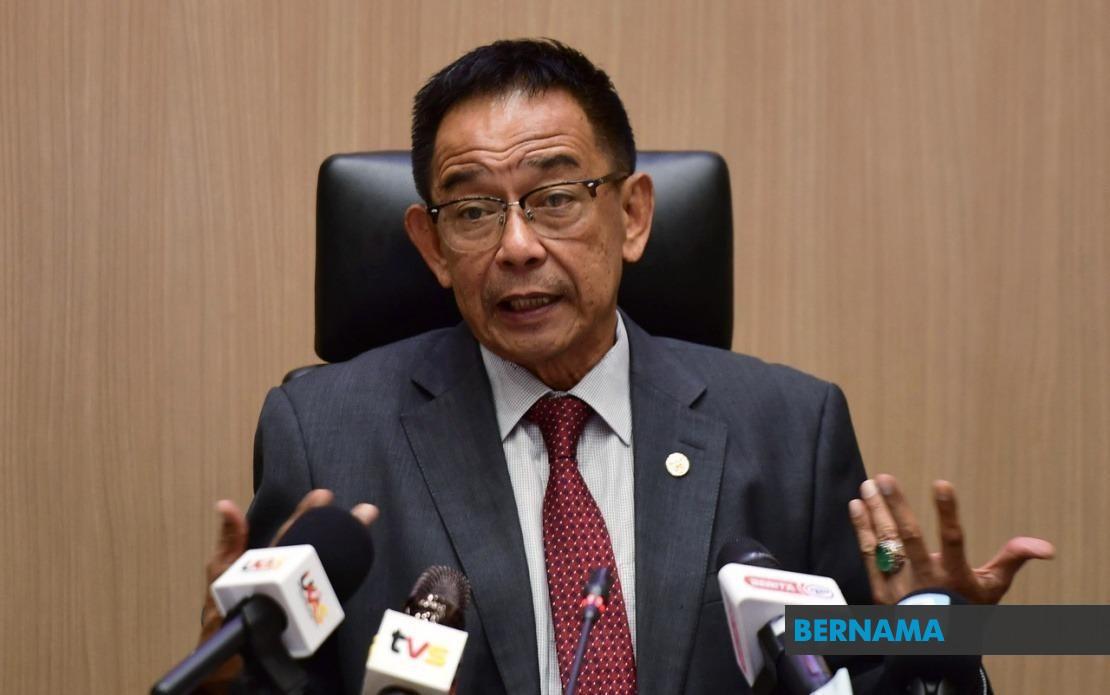
The Sarawak state government is taking direct action on drug rehabilitation by establishing a dedicated facility designed around the state's specific needs and circumstances. The announcement, made by Datuk Seri Abdul Karim Rahman Hamzah following the Sarawak State-Level Drug Eradication Action Council meeting in Kuching, signals a significant expansion of the state's involvement in combating substance abuse beyond existing federal frameworks.
As chairman of the Sarawak Prevention of Drug Abuse Association and state minister overseeing youth, sports and entrepreneurial development, Abdul Karim emphasised that the establishment of such a centre reflects a pragmatic understanding of how drug-related social problems manifest at the local level. While acknowledging that drug regulation formally falls under the purview of the Ministry of Home Affairs and federal authorities, he stressed that Sarawak cannot remain passive when substance abuse and its cascading social consequences directly affect state residents and communities.
The rationale underlying this initiative reflects a broader recognition across Malaysia's states that centralised, federally-operated rehabilitation systems may not adequately address regional variations in drug abuse patterns, demographic needs, and cultural contexts. Sarawak, separated from Peninsular Malaysia by geography and possessing distinct social structures, faces unique challenges in substance rehabilitation that a state-level facility could more effectively address through customised programmes and localised expertise.
The proposal now advances to the Sarawak state cabinet for formal approval, marking the progression from conceptual planning to institutional implementation. This procedural step indicates serious governmental commitment rather than rhetorical positioning, suggesting that budget allocation and resource deployment will follow once cabinet endorsement is secured. Such approval would represent a meaningful expansion of state capacity in the public health and social welfare sphere.
Two key agencies have been tasked with preparing the detailed groundwork necessary for the centre's establishment. The National Anti-Drug Agency's Sarawak branch and the Ministry of Women, Childhood and Community Wellbeing Development will develop consideration papers outlining operational specifications, funding requirements, staffing models, and programme design. This inter-agency coordination reflects understanding that effective rehabilitation requires expertise spanning medical, psychological, social work, and community engagement domains.
The timing of this initiative reflects broader Southeast Asian and Malaysian trends toward decentralising health and social services. Several Malaysian states have increasingly advocated for greater autonomy in addressing state-specific public health challenges, with substance abuse remaining a persistent concern across the nation. Sarawak's move could catalyse similar initiatives among other states seeking to enhance their rehabilitation infrastructure and capacity.
The establishment of state-level rehabilitation facilities carries significant implications for treatment accessibility and outcomes. Centralised federal systems, while maintaining standardisation, often create geographical barriers for residents in remote or underserved areas. A Sarawak-based centre would reduce travel burdens, facilitate community reintegration post-treatment through proximity to family and social networks, and enable culturally sensitive programme design reflective of Sarawakian demographics and values.
From a policy perspective, this development represents a practical acknowledgment that drug abuse constitutes a social problem requiring multifaceted responses extending beyond law enforcement. While the federal government maintains regulatory authority, states recognising their role in preventative public health and rehabilitation can complement federal efforts through complementary infrastructure and localised services. This layered approach potentially strengthens the overall ecosystem for addressing substance dependence.
The involvement of the Ministry of Women, Childhood and Community Wellbeing Development signals recognition that rehabilitation programmes must address family structures, youth engagement, and community support systems. These dimensions reflect contemporary understanding that effective treatment requires attention to social determinants and family reintegration, not merely clinical intervention during active rehabilitation phases.
Sarawak's initiative may also influence how other Malaysian states approach rehabilitation infrastructure planning. Should the state successfully implement an effective, accessible facility addressing demonstrated local needs, it could provide a replicable model for Sabah, Peninsular states, and other jurisdictions seeking alternatives to exclusively centralised systems. This potential demonstration effect extends Sarawak's influence beyond its borders into shaping national discourse around federalism and service delivery.
The practical establishment of rehabilitation capacity represents movement toward closing treatment gaps that currently exist within Malaysia's substance abuse response framework. Many individuals seeking rehabilitation encounter barriers related to accessibility, cultural appropriateness, or programme availability. A dedicated Sarawak facility could address these gaps by tailoring services to local populations and reducing friction in accessing treatment.
Looking forward, the effectiveness of this initiative will depend substantially on implementation quality, adequate resource allocation, and integration with complementary prevention and enforcement programmes. The involvement of specialised agencies and cabinet-level attention suggests serious governmental commitment, yet successful outcomes will ultimately be determined by how comprehensively the facility addresses the diverse needs of individuals struggling with substance dependence across Sarawak's diverse communities.

