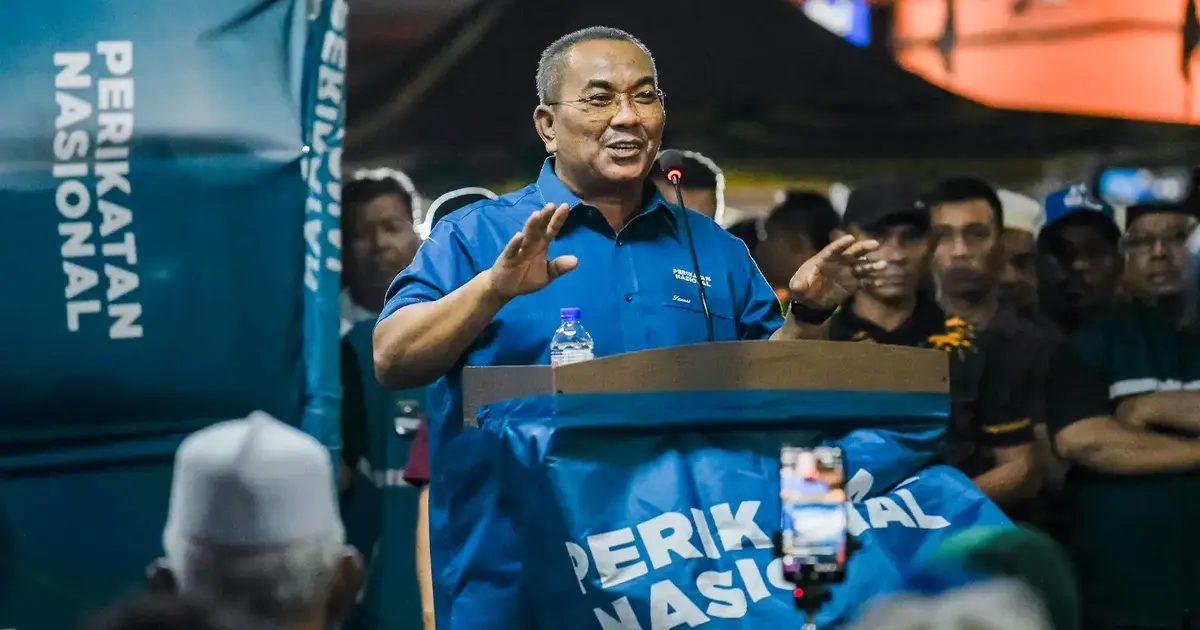
Muhammad Sanusi Md Nor, Kedah's menteri besar, has ignited discussion within Malaysia's ruling coalition through remarks that have prompted questions about the durability of the Barisan Nasional and Perikatan Nasional partnership. The comments have stirred concern in political circles, yet observers remain split on whether the controversy signals substantive damage to the alliance or amounts to routine coalition friction that will dissipate with time.
The timing of Sanusi's statements carries particular significance given the delicate balance required to maintain the current federal administration. The BN-PN coalition has navigated multiple tensions since its formation, each incident prompting speculation about longevity. This latest development occurs against a backdrop of competing interests within both blocs, where state-level politics frequently intersect with national-level coalition calculations. Sanusi's position as a high-profile Perikatan leader in a strategically important state amplifies the reverberations of any public friction.
Supporters of the coalition have moved to downplay the remarks, characterizing them as either misunderstood or taken out of context by media outlets seeking sensational narratives. Within this interpretation, the controversy reflects normal political discourse where coalition partners occasionally voice differing perspectives without threatening the fundamental alliance structure. Such disagreements, according to this view, are inevitable in any multi-party government and do not necessarily indicate instability. The argument holds that coalitions require flexibility and that public disagreement on specific issues should not be conflated with fundamental cracks in the partnership.
Conversely, political analysts who emphasize the severity of the situation point to the comments as evidence of simmering discontent within coalition ranks. They contend that public statements by senior figures like Sanusi rarely emerge in isolation and instead typically reflect deeper anxieties about resource distribution, ministerial portfolios, or strategic direction. From this perspective, the remarks serve as a visible manifestation of underlying tensions that could potentially escalate if not addressed through serious dialogue and negotiation among coalition leaders.
The impact on voter sentiment remains similarly contested among observers. Some analysts argue that most ordinary Malaysians remain focused on bread-and-butter issues such as cost of living, employment, and public services, making coalition squabbles appear peripheral to their immediate concerns. Under this analysis, Sanusi's remarks generate excitement within political circles and media commentary but fail to penetrate voter consciousness meaningfully. Voters, it is suggested, judge coalitions more by their delivery of tangible benefits than by occasional public disagreements between partners.
Other analysts reject this sanguine assessment, maintaining that voter perception of coalition cohesion influences trust in government more profoundly than typically acknowledged. They contend that divisions visible to the public erode confidence in the government's ability to execute its agenda effectively. When coalition partners appear at odds, voters may question which group truly controls policy direction and whether competing interests within government will paralyze decision-making on critical issues. This perspective highlights that perceived instability can have cascading effects on economic sentiment, investment confidence, and electoral calculations as voters reassess their preferences.
Kedah's particular political context adds another dimension to interpreting the significance of Sanusi's remarks. The state has experienced significant political volatility over recent years, with sharp shifts in electoral allegiances and coalition configurations. As menteri besar, Sanusi serves as the public face of state governance and must balance between national coalition obligations and state-level political imperatives. Any statements from him therefore carry weight beyond their literal meaning, as they implicitly signal how Perikatan is managing its position within the broader coalition framework.
The underlying structural challenges facing the BN-PN alliance remain relevant regardless of how observers categorize the current controversy. The coalition unites parties with distinct ideological traditions, different support bases, and competing policy priorities. Umno's establishment networks and patronage infrastructure differ markedly from the newer political movements within Perikatan. Managing such an alliance requires constant calibration and mutual restraint from all parties involved. The comments attributed to Sanusi reflect, in this sense, the perpetual tension inherent in coalition maintenance rather than representing an unprecedented crisis.
Looking forward, the political trajectory will depend partly on how coalition leaders respond to this incident. If senior figures from both blocs engage in visible reconciliation efforts and reaffirm their commitment to partnership, the controversy may indeed prove ephemeral. Conversely, if the remarks provoke escalating public statements and counter-accusations, momentum could build toward more serious ruptures. The next few weeks will likely prove illuminating regarding the coalition's actual resilience versus the facade it presents publicly.
For Malaysian voters and regional observers, the episode underscores the inherent fragility of multi-party coalitions operating without the strong consensus that single-party majorities provide. Whether Sanusi's comments presage genuine instability or represent manageable discord, they remind stakeholders that the current political settlement remains contingent on continued agreement among participants with different interests and visions for the country's direction.

