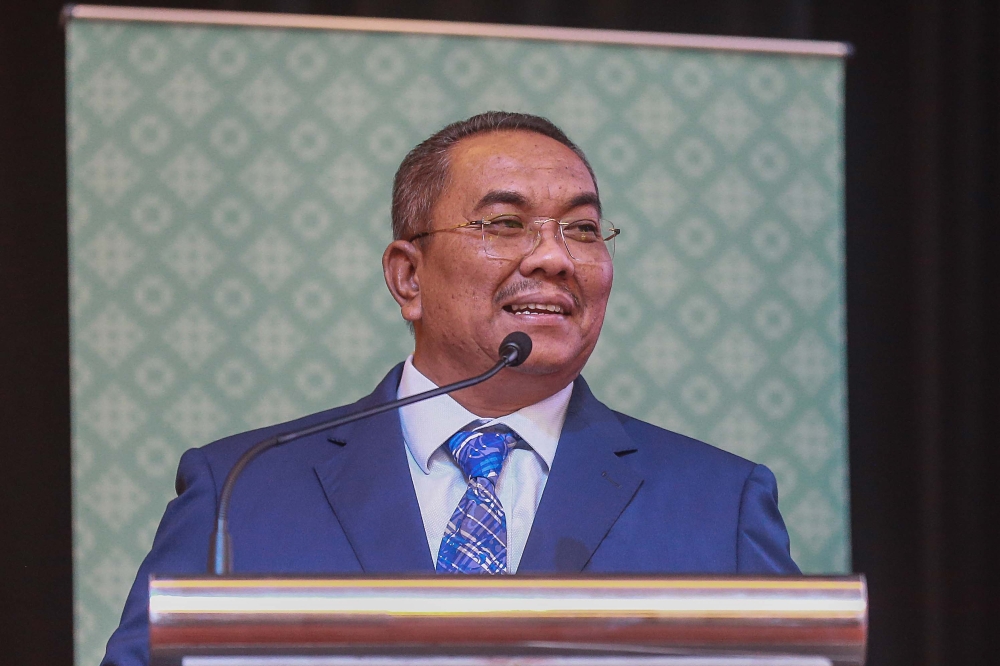
Kedah Menteri Besar Datuk Seri Muhammad Sanusi Md Nor has escalated tensions by issuing a formal warning that he intends to pursue legal proceedings and file police complaints against those who he alleges have misrepresented or deliberately distorted his speeches and public statements. The senior state leader, speaking from Alor Setar, signalled his determination to protect his reputation through both civil and criminal avenues available under Malaysian law.
Sanusi's announcement reflects a broader pattern of political figures across the country becoming increasingly assertive in defending themselves against what they perceive as deliberate mischaracterization of their words. The Kedah leader's decision to invoke both legal and law enforcement channels underscores the seriousness with which he views the alleged distortions, suggesting that the matter extends beyond routine political disagreement into territory he considers defamatory or otherwise legally actionable.
The Menteri Besar did not immediately provide extensive details about specific instances or identify particular individuals or media outlets he believes have engaged in such misrepresentation. This measured disclosure approach is common among political leaders who may be preparing legal cases, as providing detailed public commentary could complicate subsequent legal proceedings. Nevertheless, his warning serves as a clear notice to political opponents, media entities, and other stakeholders that he will not tolerate what he characterizes as distorted representations of his remarks without consequence.
For Malaysian media practitioners and content creators, Sanusi's position carries professional implications. The landscape of political communication has become increasingly litigious, with multiple state and national figures pursuing defamation suits against journalists, bloggers, and competing politicians. This development has created a complex environment where accuracy in reporting and careful attribution of statements have become not merely ethical imperatives but legal necessities. News organisations operating in Malaysia must navigate these constraints while fulfilling their responsibility to report on political developments comprehensively.
The timing of Sanusi's warning also deserves consideration within the context of Kedah's political dynamics and the broader national political environment. State-level politics in Malaysia often intersect with federal considerations, and prominent Menteri Besars frequently find themselves at the centre of attention from multiple media sources and political actors. The statement may reflect frustration accumulated over a period during which he believes his public communications have been systematically misrepresented or taken out of context.
From a legal perspective, establishing what constitutes a distortion versus legitimate political commentary or rhetorical criticism presents genuine difficulties for Malaysian courts. The distinction between fair reporting of a politician's words, analysis that questions their meaning, and deliberate falsification exists on a spectrum rather than a clear line. Sanusi's recourse to legal action will therefore require careful documentation of the alleged distortions and demonstration of either falsity or reckless disregard for truth, depending on which legal framework he employs.
The prospect of police involvement adds another dimension to this matter. Filing police reports related to statements alleged to be distorted, defamatory, or otherwise problematic represents an option frequently pursued by Malaysian politicians seeking to amplify pressure on those they believe have wronged them. Law enforcement agencies, however, typically exercise considerable discretion in determining whether such complaints merit investigation or charging, particularly when the underlying matters involve political speech and contested interpretations of public statements.
For Southeast Asian observers, the incident illustrates a wider regional trend toward political actors using legal mechanisms more aggressively to police public discourse. Countries including Malaysia, Thailand, and Singapore have seen increases in defamation suits and police complaints filed by politicians against journalists and rivals. This development creates complex tradeoffs between protecting reputations and maintaining space for robust political debate, with media freedom advocates expressing concern that such litigation chills legitimate commentary.
The specific allegations Sanusi has in mind remain unclear, but his warning appears directed broadly at multiple possible sources rather than one specific actor. This approach maximises the cautionary effect of his statement while maintaining sufficient ambiguity to preserve his legal options. Political observers in Kedah and beyond will likely scrutinise his future communications to identify which statements or incidents prompted this warning.
Sanusi's tenure as Kedah Menteri Besar has been marked by various high-profile statements on state policy, national politics, and his party's position within the broader political ecosystem. Determining which recent remarks he considers most significantly distorted will be important for understanding the underlying grievances driving his legal threat. Media organisations and political commentators will need to exercise heightened caution when reporting on or analysing his future statements and actions.
The warning also carries implications for political dialogue more broadly in Malaysia. When political leaders frequently resort to legal threats in response to criticism or unfavourable reporting, the cumulative effect can be a narrowing of the space for candid public discourse. However, politicians equally have legitimate interests in preventing their words from being weaponised through deliberate misquotation or falsification, creating genuine tensions between competing values in democratic societies.
Moving forward, this episode will likely influence how media outlets and political analysts cover Sanusi and potentially other state leaders. Some may become more cautious in their reporting, while others may view such warnings as attempts at intimidation and respond by intensifying scrutiny. The net effect on political accountability and informed public discourse remains uncertain and will depend on how specific legal cases proceed should Sanusi follow through on his threats.

