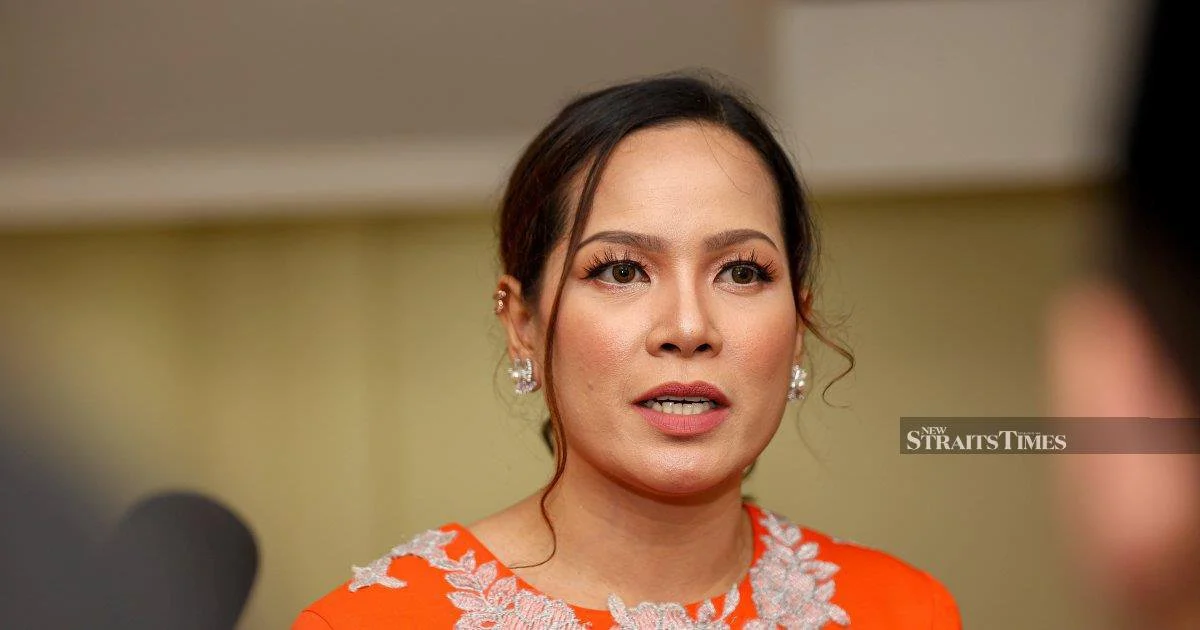
Kuala Lumpur-based actress Salina Saibi has moved swiftly to quash speculation that has emerged following the arrest of a fellow actress from the television police drama in which she appears, distancing herself from the incident after the co-star tested positive for drugs during police custody.
The timing of Saibi's public statement reflects the intense scrutiny Malaysian entertainment personalities face when colleagues encounter legal difficulties. In the Malaysian media landscape, association with drug-related offences can have significant ramifications for an actor's career prospects and public reputation, making it essential for industry figures to establish clear separation from such controversies.
The arrested actress, whose identity has been connected to one of local television's most-watched police procedural series, was apprehended following allegations that emerged during a recent investigation. Drug-related arrests in Malaysia carry serious legal consequences, with the Dangerous Drugs Act imposing penalties ranging from rehabilitation programmes to lengthy imprisonment depending on the quantity and classification of substances involved.
Salina Saibi's denial represents a common defensive strategy among Malaysian entertainers facing collateral reputational damage through proximity. The actress has sought to establish that her professional relationship with her detained co-star does not imply any personal involvement or shared circumstances related to the drug allegations. Such public clarifications have become routine in Malaysia's entertainment sector, where media speculation can rapidly escalate without substantive evidence.
The police drama series in question has maintained significant viewership across Malaysia and the wider region, making any legal troubles affecting cast members matters of considerable public interest. Television audiences often develop strong connections to ensembles in long-running series, and when one performer faces criminal charges, it inevitably generates conversation about other cast members and workplace dynamics.
For Malaysian entertainment professionals, navigating such situations requires careful management of public perception. Industry observers note that clear statements denying involvement, as Saibi has made, serve multiple purposes: protecting individual career trajectories, reassuring producers and broadcasters about remaining cast stability, and signalling to audiences that the arrested actress's circumstances do not reflect broader issues within the production.
The incident highlights broader challenges facing Malaysia's entertainment industry regarding substance abuse prevention and cast welfare. While individual legal consequences fall on those charged, production companies increasingly face pressure to demonstrate robust policies addressing actor wellbeing and substance-related risks. Industry insiders suggest that high-pressure filming schedules and the demanding nature of police drama production can contribute to stress among cast members.
Drug-related arrests involving entertainment personalities typically trigger extended media coverage in Malaysia, with outlets scrutinizing both the accused individual's background and broader implications for their industry peers. This phenomenon has occasionally led to unfounded associations between unrelated cast members, reinforcing the necessity for public figures to proactively issue clarifications protecting their professional standing.
The regional entertainment market watches Malaysian television industry developments closely, particularly when they involve cast changes or legal controversies affecting established productions. Southeast Asian broadcasters and streaming services often acquire content featuring Malaysian actors, meaning reputational issues can extend beyond domestic markets and affect future employment opportunities across the region.
Salina Saibi's statement emphasizes that individual responsibility for criminal conduct should not be conflated with collective responsibility among co-workers, a principle that extends to all professional sectors but carries particular weight in creative industries where ensemble work defines much daily activity. The actress has sought to maintain her professional relationships while establishing independence from her colleague's legal predicament.
Looking forward, the resolution of charges against the arrested actress will likely determine whether the incident represents an isolated incident or signals broader institutional concerns warranting sector-wide examination. Malaysian courts and authorities typically handle such cases methodically, with outcomes eventually clarifying the factual circumstances that gave rise to the arrest and public speculation.
For Malaysian audiences and entertainment observers across Southeast Asia, the situation underscores the intersection of celebrity culture, legal accountability, and media scrutiny that characterizes the modern entertainment landscape. As productions continue operating amid such developments, industry stakeholders remain attuned to how individual circumstances affect collective working environments and audience confidence in broadcast content.

