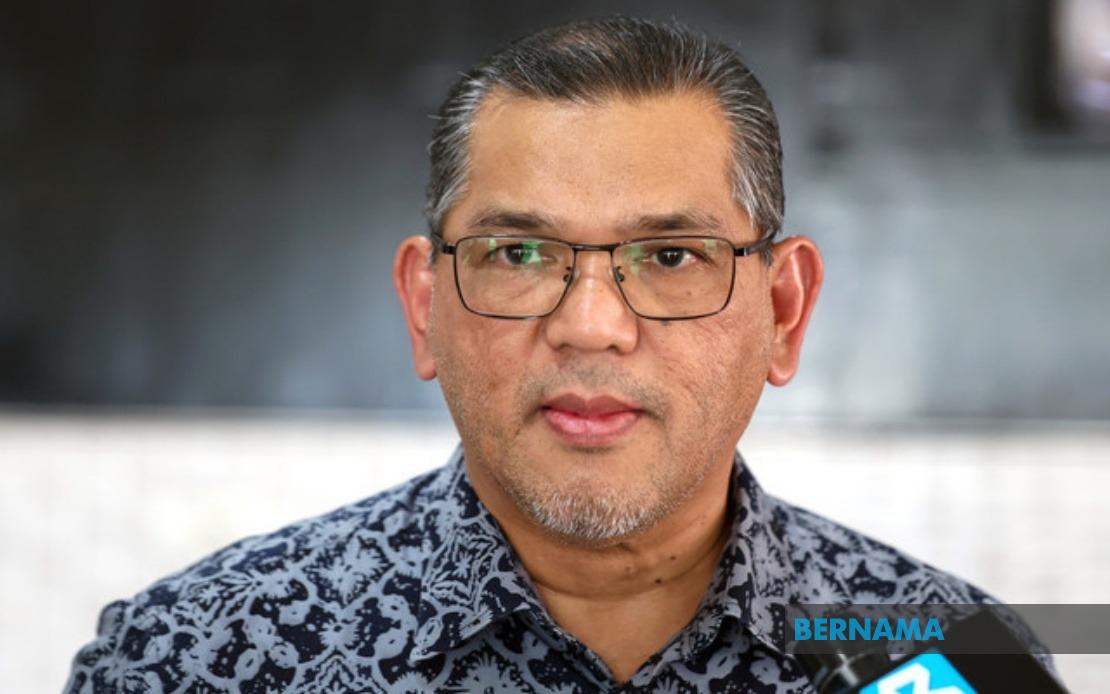
Sabah's efforts to nurture the next generation of business leaders have gained considerable traction, with nearly 7,000 young people tapping into entrepreneurial support through the state's dedicated youth funding initiative. Since launching the Sabah Youth Entrepreneur Scheme (SYABAS) in 2022, the programme has channelled RM21 million across the state, creating a visible pipeline of emerging business owners. Speaking in the State Legislative Assembly, Datuk Nizam Abu Bakar Titingan, the minister overseeing youth and creative economy affairs, outlined how the initiative has moved beyond paper promises to deliver tangible economic opportunities for Sabahans under 40 seeking to establish or expand their enterprises.
The breadth of sectors represented among SYABAS beneficiaries reflects the scheme's inclusive approach to economic diversification. Rather than concentrating support within a single industry, the programme has enabled recipients to launch ventures spanning agriculture, food production, cosmetics manufacturing, and other value-added services. This diversity serves an important strategic purpose in Sabah's broader development agenda, allowing young entrepreneurs to identify opportunities aligned with their local knowledge and market conditions. The Nabawan state constituency alone boasts 64 SYABAS recipients, suggesting the funding reach extends into rural and semi-rural areas where traditional employment options may be limited.
Among the programme's success stories are individuals who have transformed modest startup funding into sustainable income generators. Amran Jining in Keningau operates a vegetable hydroponic farm, tapping into growing domestic demand for locally grown produce and reducing reliance on imports. Erliana Said from Tawau has established a bakery specialising in bread, cakes and pastries, products with consistent consumer demand. Sitti Fatimah Janna ventured into the cosmetics sector, a market segment with expanding opportunities both domestically and internationally. These examples illustrate how SYABAS funding, when combined with entrepreneurial drive, can catalyse businesses capable of generating income beyond the initial modest allocations provided by government support.
What distinguishes SYABAS from conventional grant programmes is its emphasis on sustained support beyond the initial capital injection. The scheme maintains comprehensive records of all recipients and implements structured follow-up mechanisms designed to maximise the likelihood of business success. Coaching sessions help entrepreneurs navigate operational challenges, while monitoring frameworks ensure accountability and identify emerging problems before they become critical. Capacity-building programmes address gaps in business management, financial literacy, and market access—often the hidden obstacles that prevent promising ventures from achieving their full potential. This graduated support model recognises that money alone is insufficient; young entrepreneurs require guidance as their businesses mature through different growth phases.
The collaborative architecture underpinning SYABAS extends well beyond the youth ministry itself. Strategic partnerships with government agencies, vocational training institutions, and private sector players have been systematically developed to create an ecosystem supporting entrepreneur development. These collaborations expand the available training and employment opportunities across multiple sectors including tourism, agriculture, manufacturing, construction, logistics, aquaculture, fisheries, and the digital economy. By connecting young business owners with established industry players and training providers, SYABAS effectively functions as a gateway to broader economic networks that can facilitate growth and knowledge transfer.
Sabah's commitment to youth entrepreneurship intersects notably with the state's tourism development agenda. The designated Visit Sabah Year 2027 campaign represents a significant opportunity for young entrepreneurs in hospitality, accommodation, food and beverage, transportation, handicrafts, and community-based tourism services. Assistant Minister Dr Andi Md Shamsureezal Mohd Sainal has framed this campaign as more than a tourism marketing exercise; it is positioned as a vehicle for inclusive economic growth that should distribute benefits across multiple population segments rather than concentrating gains among established large operators. This philosophy aligns closely with the developmental objectives embedded in SYABAS itself.
The tourism value chain approach outlined for Visit Sabah Year 2027 offers a blueprint for ensuring young entrepreneurs can capture meaningful economic opportunities from increased visitor arrivals. Rather than relying solely on large hotels and established tour operators, the strategy encompasses accommodation at multiple price points, diverse transportation options, food and beverage enterprises ranging from street food to restaurants, locally-made handicrafts, and tourism experiences rooted in community participation. Engagement sessions with industry stakeholders are underway to refine this approach, ensuring that programme design reflects the actual capacity and constraints faced by small operators and grassroots entrepreneurs. The Sabah Tourism Board will provide targeted promotion, market access assistance, and financial incentives specifically calibrated for small and medium enterprises and local communities.
The timing and scope of Visit Sabah Year 2027 holds particular relevance for current SYABAS recipients and future entrepreneurs entering the tourism sector. A coordinated campaign to boost visitor numbers creates predictable demand increases that small businesses can realistically plan for and scale to meet. Young entrepreneurs in food service, handicrafts, and hospitality-related services can benefit from heightened consumer spending and brand visibility. However, realising these opportunities requires deliberate effort to communicate campaign details and promotional opportunities to grassroots participants. The campaign's foundational pillars—culture, adventure, nature, and sustainability—have been designed to align with Sabah's distinctive competitive advantages, creating authentic tourism products that can sustain demand beyond any single promotional year.
The broader implications for Malaysia's regional economic development are noteworthy. Sabah's investment in youth entrepreneurship through SYABAS demonstrates a policy commitment to broadening wealth distribution and building economic resilience through grassroots business creation. This contrasts with development models that concentrate investment in large-scale industrial zones or major urban centres. By enabling young people across diverse geographic and sectoral contexts to become business owners, Sabah is creating multiple small income-generating nodes rather than relying on a handful of large employers. This approach builds social stability, reduces urban migration pressure, and creates more resilient local economies less vulnerable to external economic shocks.
The success metrics for SYABAS extend beyond simple counts of recipients or funds distributed. The scheme's true impact emerges in the durability of businesses created, the quality of employment generated, and the extent to which young entrepreneurs transition from grant-dependent startups to self-sustaining enterprises capable of hiring additional workers. Several SYABAS recipients have reportedly achieved revenues in the millions, with products gaining international market access. These breakthrough cases suggest the programme has successfully identified talented entrepreneurs and removed initial capital constraints that might otherwise have prevented business launch. However, maintaining momentum requires continuous refinement of support services, strengthening of industry partnerships, and adaptation to evolving market conditions.
For Southeast Asian observers, Sabah's SYABAS model offers instructive lessons in designing youth entrepreneurship programmes that function as genuine economic development tools rather than merely distributing benefits to political constituencies. The emphasis on follow-up support, sector diversification, and integration with broader state development initiatives—such as tourism promotion—creates synergies that amplify programme effectiveness. As other regional jurisdictions consider expanding youth entrepreneurship support, the Sabah experience demonstrates that strategic design, sustained commitment of resources, and collaborative engagement with industry partners can translate government investment into authentic economic opportunity creation. The fact that SYABAS has reached nearly 7,000 young people with RM21 million since 2022 indicates both the pent-up demand for entrepreneurial support and the feasibility of scaling such programmes across geographically dispersed populations.

