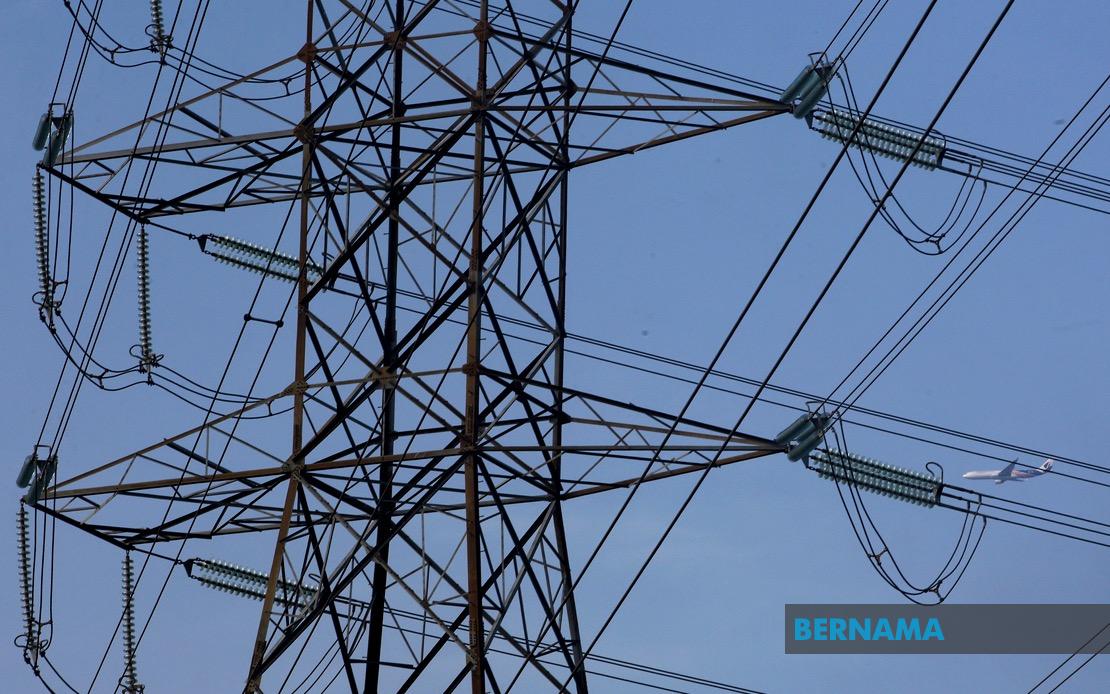
Scheduled power rationing has begun across portions of Sabah as the state's electricity provider grapples with a significant reduction in power generation stemming from interrupted gas deliveries to multiple generating facilities. The move, announced on June 29, represents a precautionary measure designed to protect the overall stability of the Sabah Grid System while engineers work to restore normal operations.
The decision reflects a broader infrastructure vulnerability facing East Malaysia's energy sector. Gas-fired power plants form a substantial component of Sabah's generation fleet, meaning any disruption in fuel supply cascades quickly through the system. When generation capacity declines, utilities face a difficult calculus: either implement controlled, rolling outages or risk an uncontrolled blackout that could damage the grid itself and affect far more consumers for much longer. Sabah Electricity selected the controlled rationing approach to minimise harm whilst remedial work proceeds.
The situation underscores the precarious balance electricity operators must maintain between supply and demand. The reserve margin—essentially a buffer above peak demand—has contracted significantly, leaving little cushion against further disruptions. Maintaining grid stability requires that operators possess adequate surplus generating capacity; without it, even routine fluctuations in demand become dangerous. Sabah's current circumstances illustrate why diversifying energy sources and securing reliable fuel contracts remain critical priorities for regional energy security.
Whilst Sabah Electricity coordinates with relevant agencies to restore gas flows and reactivate offline plants, consumers face the inconvenience of unpredictable outages. The utility has pledged to minimise disruption through optimised grid management techniques and promises that rationing remains temporary, ceasing once generation capacity rebounds. However, no specific timeline for restoration has been publicised, leaving affected households and businesses uncertain about how long they must endure interrupted supply.
The timing of this crisis carries particular significance for Sabah's economy. Power reliability directly influences investor confidence, operational efficiency in manufacturing and processing sectors, and the reliability of essential services from hospitals to water treatment facilities. Extended rationing could compound economic challenges already facing the state, potentially deterring new industrial investment or causing existing operations to seek more stable alternatives elsewhere in Malaysia.
Communications infrastructure has become a critical component of utility management during supply crises. Sabah Electricity has designated its official Facebook page and the telephone hotline 15444 as primary channels for announcements regarding affected areas and schedule adjustments. This dependence on digital platforms underscores an emerging reality: modern utilities must excel not only at infrastructure management but also at real-time public communication. The utility explicitly warned consumers against sharing unverified information, a recognition that misinformation during crises can trigger panic and additional strain on already-stretched customer service resources.
The broader regional context matters here. Neighbouring Peninsular Malaysia has experienced its own generation challenges in recent years, forcing operators to implement similar rationing schemes. These incidents have prompted ongoing discussions within national energy circles about the necessity of maintaining adequate generation reserves, investing in renewable energy sources, and securing diversified fuel supplies. Sabah's current experience will likely feature prominently in upcoming policy debates about energy security frameworks across Malaysia.
For Malaysian energy specialists and policymakers, this incident serves as a case study in infrastructure vulnerability. The fundamental lesson concerns the dangers of over-reliance on single fuel sources or supply corridors. Even geographically proximate gas suppliers can experience disruptions—whether from mechanical failure, maintenance requirements, or supply chain complications. Truly resilient systems incorporate redundancy, alternative fuel pathways, and diverse generation technologies that can function independently.
The apology offered by Sabah Electricity reflects corporate acknowledgement that rationing, however necessary for system integrity, represents a failure of normal service delivery. This stance matters for maintaining public confidence during a period when electricity supply becomes unreliable. Consumer patience and cooperation, as requested by the utility, cannot be assumed automatically; they must be earned through transparent communication, realistic timelines, and demonstrated progress toward resolution.
Looking forward, this episode will likely prompt Sabah's authorities to examine whether existing gas supply contracts and infrastructure redundancy meet the state's growth trajectories. If Sabah's economy continues developing and electricity demand rises, the current system's reserve margins may become chronically insufficient. Proactive expansion of generation capacity, development of alternative fuel sources including renewables, and upgraded infrastructure would position the state to avoid repeating such disruptions. The short-term inconvenience of rationing should catalyse longer-term strategic thinking about Sabah's energy future and its role in supporting the state's broader development ambitions.

