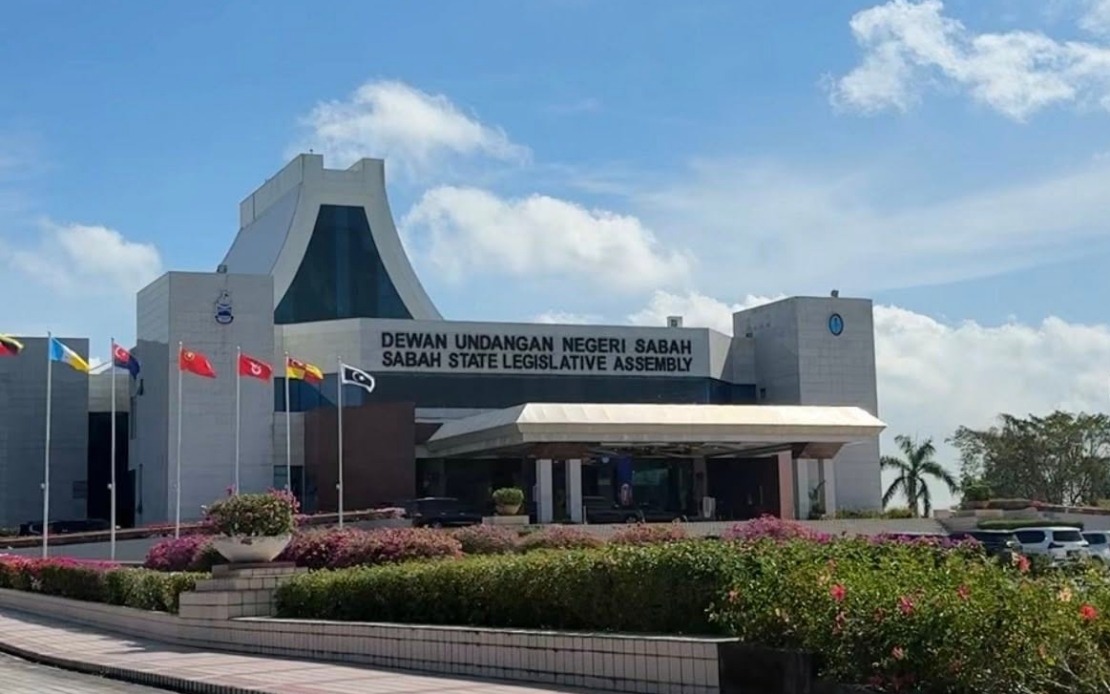
The Sabah State Legislative Assembly has given its backing to a RM1.61 billion supplementary spending package for 2026, moving the state forward with additional financial commitments across multiple government operations and capital projects. The measure passed through a majority voice vote on July 21 following robust parliamentary debate involving 42 assemblymen, with proceedings overseen by Deputy Speaker Datuk Al Hambra Tun Juhar.
Deputy Chief Minister II and State Finance Minister Datuk Seri Masidi Manjun, who introduced the bill the previous day, secured legislative approval for what represents a significant injection of funds into Sabah's fiscal framework. The supplementary supply arrangement underscores the state government's need for additional resources beyond the original budget allocation, a common occurrence in Malaysian state administration when expenditure pressures or new priorities emerge during the financial year.
The largest component of the allocation—RM856 million—has been earmarked for statutory fund contributions, reflecting Sabah's mandatory financial commitments to various government-established funds and institutions. These obligations typically encompass pension liabilities, statutory bodies, and institutional funding requirements that form the backbone of public sector sustainability. The magnitude of this allocation reveals the significant financial burden Sabah carries through its statutory obligations, a reality that constrains flexibility in discretionary spending.
Operating expenditure accounts for RM278 million of the supplementary package, covering the day-to-day running costs of state government departments and agencies. This category encompasses salaries, utilities, maintenance, supplies, and other recurrent expenses essential to keeping the state machinery functioning. For Malaysian observers, the operating expenditure level provides insight into how Sabah manages the cost of governance across its sprawling geography and diverse population centres spanning from Kota Kinabalu to interior divisions.
Development expenditure totals RM210 million, representing the state government's commitment to infrastructure projects and capital investments aimed at enhancing Sabah's long-term economic capacity. This funding typically supports roads, utilities, educational facilities, health infrastructure, and other capital assets that contribute to state development. The allocation reflects Sabah's continued focus on infrastructure despite fiscal constraints, though the relatively moderate size suggests careful prioritization of projects.
Administrative expenditure has been allocated RM162 million, covering the costs of government administration including office operations, equipment purchases, and institutional support functions. State grants totalling RM93 million have been set aside, likely representing transfers to local authorities, statutory bodies, or targeted assistance programmes. The remaining RM13 million in special allocations provides flexibility for unanticipated or time-sensitive requirements that may arise during the remainder of the financial year.
The approval of this supplementary bill carries significance beyond the immediate budget numbers, signalling Sabah's determination to maintain service delivery and development momentum despite Malaysia's broader economic environment. Sabah, as one of Malaysia's largest states by land area but with a relatively concentrated population and revenue base, frequently faces challenges in meeting infrastructure demands across its territory. The supplementary allocation demonstrates governmental commitment to addressing these pressing needs.
For Southeast Asian regional observers, Sabah's budgetary approach illustrates how Malaysian state governments navigate fiscal federalism within the broader Malaysian constitutional framework. The state operates with substantial autonomy in taxation and spending within its jurisdiction, though revenue constraints often necessitate additional federal support and supplementary allocations like this one. The composition of the spending—heavily weighted toward statutory obligations—reflects fiscal pressures facing Malaysian state administrations generally.
The parliamentary debate involving 42 assemblymen indicates engagement with fiscal matters across Sabah's political spectrum. Such comprehensive participation in budget discussions, while standard practice, demonstrates the importance placed on financial accountability and legislative oversight in state governance. The voice vote approval method, while efficient, reflects the likely consensus around the necessity of the supplementary allocation.
With the assembly set to resume sessions the following day, the supplementary bill's passage clears a significant procedural hurdle in Sabah's 2026 financial planning. The approval enables the state government to proceed with funded commitments and prevents disruption to services and projects dependent on the additional resources. For businesses and communities across Sabah, the successful allocation means continuity in government support and infrastructure development programmes throughout the remainder of the financial year.

