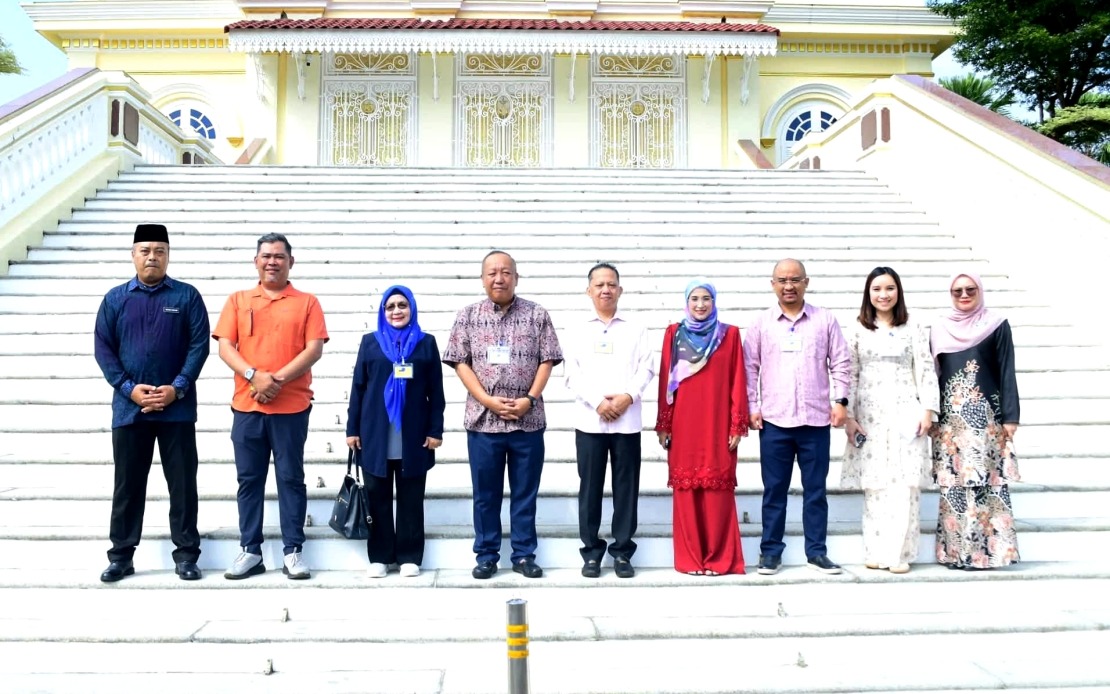
Regional tourism cooperation across Malaysia is intensifying as Sabah and Johor move to establish a more coordinated approach to destination marketing and visitor experience development. Datuk Jafry Ariffin, Sabah's Minister of Tourism, Culture and Environment, has announced that his ministry is pursuing strategic partnerships with Tourism Johor to create synergies that benefit both states and strengthen Malaysia's competitive standing in the global tourism marketplace. The initiative reflects a broader recognition among Malaysian tourism authorities that interstate collaboration yields better outcomes than isolated promotional efforts, particularly when preparing for major tourism events such as Visit Sabah Year 2027.
The genesis of this partnership emerged through a recent courtesy mission by Sabah's delegation to Johor, during which officials engaged in substantive discussions centred on cross-promotional activities and collaborative product development. Rather than conducting a superficial exchange of pleasantries, the working visit delved into operational matters, examining how both states might leverage their distinct strengths to attract visitors across different market segments. The discussions encompassed destination marketing strategies tailored to contemporary travel patterns, recognising that modern tourists increasingly seek authentic, multifaceted experiences that blend natural attractions with cultural immersion.
A significant component of the Sabah delegation's visit involved an official tour and educational exchange at Muzium Diraja Abu Bakar, housed within Istana Besar Johor. This heritage institution represents decades of curatorial expertise and conservation practice, making it a valuable learning resource for Sabah's cultural sector. By observing Johor's approaches to museum management, historical preservation, and institutional sustainability, Sabah's officials gained practical insights into best practices that can be adapted and implemented across their own cultural institutions. Such knowledge transfer is invaluable for states developing their heritage tourism offerings, as it bridges the gap between aspiration and practical execution.
For Sabah, the cultural and heritage dimension of this partnership carries particular significance. The state envisions its cultural sector as one of the primary economic pillars for attracting international tourism revenue in coming years. Heritage conservation and museum stewardship represent crucial components of this strategy, as global travellers increasingly seek authentic encounters with local history and traditions. By formalising knowledge-sharing arrangements with Johor, Sabah positions itself to accelerate the professionalisation of its heritage institutions and improve the quality of visitor experiences at cultural sites. This elevation of heritage presentation can differentiate Sabah from competing regional destinations.
The timing of this partnership initiative aligns strategically with Visit Sabah Year 2027, a major promotional campaign that will require coordinated messaging and multi-state support to achieve ambitious visitor targets. By establishing working relationships and collaborative frameworks now, both states can build momentum and credibility with tourism operators, media, and international travel markets well in advance of the campaign launch. Joint promotional initiatives will allow Sabah and Johor to present complementary offerings to potential visitors, encouraging itineraries that span both destinations and maximising the economic benefits distributed across the peninsula and island regions.
Sharing of expertise in heritage conservation addresses a critical gap in Malaysia's tourism infrastructure. While some states have developed sophisticated approaches to managing historical assets and creating engaging museum experiences, others lag behind due to limited technical expertise or funding constraints. By institutionalising knowledge transfer mechanisms, states like Sabah can rapidly upgrade their capacity without requiring lengthy trial-and-error periods. The management practices observed at Muzium Diraja Abu Bakar encompass collections care, conservation technology, visitor accessibility, educational programming, and financial sustainability—all elements essential to operating world-class cultural institutions that justify international travel investment.
Beyond heritage matters, the partnership encompasses broader destination marketing collaboration. Both states recognise that effective tourism promotion in contemporary markets requires sophisticated digital strategies, influencer engagement, data-driven targeting, and narrative frameworks that resonate across diverse demographic groups. By pooling resources and aligning promotional calendars, Sabah and Johor can achieve economies of scale in marketing expenditure while maintaining distinct brand identities. Joint campaigns highlighting Malaysia's geographic and cultural diversity project a more compelling national tourism proposition to international audiences than fragmented state-level efforts.
The partnership also reflects pragmatic economics. Malaysia faces intensifying competition from regional tourism destinations offering similar natural attractions, heritage experiences, and hospitality infrastructure. Thailand, Indonesia, and Vietnam have invested substantially in coordinated national tourism strategies that position them as diverse, multifaceted destinations. By orchestrating interstate cooperation, Malaysian states can emulate these successful approaches and prevent tourists from defaulting to established competitors. The competitive advantage accrues not merely to individual states but to Malaysia's tourism sector collectively.
Datuk Jafry Ariffin's public endorsement of the partnership and expression of confidence in its outcomes indicate political commitment to sustaining the collaboration beyond initial enthusiasm. Such ministerial-level backing typically translates into resource allocation, staff coordination, and institutional priority-setting necessary for partnerships to produce tangible results. Without sustained governmental support, interstate tourism collaborations often remain aspirational documents gathering dust in ministry files. The explicit confidence voiced here suggests a serious implementation intention.
For Malaysian tourism stakeholders broadly—including hotels, tour operators, restaurants, transport providers, and attractions—this Sabah-Johor cooperation offers operational benefits. Enhanced visitor flows stemming from coordinated marketing drive occupancy rates and revenue across hospitality sectors. Improved destination positioning attracts higher-spending visitor demographics, boosting average spend per visitor and economic impact metrics. The multiplier effects of increased tourism spending ripple through local economies, generating employment and business opportunities beyond the tourism sector itself.
The initiative also serves a symbolic function within Malaysia's federal structure. Tourism cooperation demonstrates how states can collaborate constructively on matters of mutual economic interest without necessarily requiring federal mediation or centralised coordination. This subsidiarity model allows states with geographic, cultural, or institutional proximity to forge practical partnerships reflecting their specific circumstances. Such bottom-up cooperation can prove more agile and contextually appropriate than top-down approaches imposed uniformly across all states, regardless of their distinct market positions.
Looking forward, the Sabah-Johor partnership model may inspire emulation among other Malaysian states seeking to enhance their tourism competitiveness. Northern states might develop similar arrangements with Thailand or concentrate on pan-East Malaysian cooperation. Coastal states could specialise in maritime and marine tourism collaboration. Such cascading partnerships would collectively strengthen Malaysia's tourism infrastructure and market positioning. The institutional relationships forged between Sabah and Johor now may establish precedents and communication networks facilitating future, broader regional tourism coordination as Visit Sabah Year 2027 approaches.

