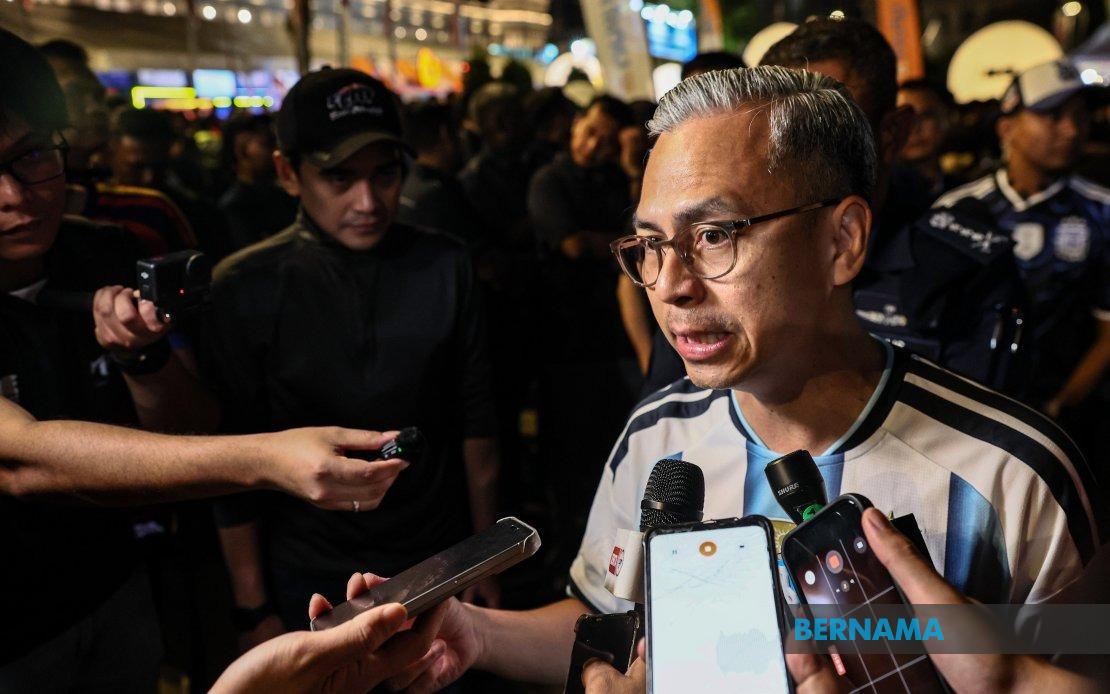
Radio Televisyen Malaysia (RTM) is preparing to expand its portfolio of international sports coverage, announcing plans to secure broadcasting rights for multiple premium sporting events in the wake of its widely praised transmission of the 2026 FIFA World Cup. Communications Minister Datuk Seri Fahmi Fadzil disclosed the intention during remarks made at a Unity Merdeka programme honouring RTM's World Cup achievement at Dataran Merdeka, signalling the national broadcaster's strengthened position in securing global sporting content for Malaysian audiences.
The minister revealed that Broadcasting Director-General Ashwad Ismail had informed him of RTM's ambitions to acquire rights to several additional tournaments beyond the World Cup. While Fahmi Fadzil declined to name the specific events or provide timing details, his statement underscores the momentum RTM has generated through its World Cup broadcast initiative. The acquisition strategy reflects growing confidence within the Communications Ministry that the corporation's technical capabilities and audience reach justify investment in premium international sporting properties.
RTM's World Cup coverage represented a watershed moment for the national broadcaster's ambitions in sports programming. By securing and delivering free-to-air access to all matches of the 2026 tournament, RTM positioned itself as a serious player in the increasingly competitive landscape for broadcasting rights in Malaysia. This success likely strengthened RTM's negotiating position with international sports bodies and rights holders, demonstrating the broadcaster's capacity to reach Malaysian audiences at scale and without subscription barriers.
The Communications Ministry plans to conduct a comprehensive performance review once final viewership data for the World Cup broadcast becomes available. Fahmi Fadzil indicated that obtaining full audience metrics would precede a detailed assessment of how the tournament performed across RTM's platforms. This evidence-based approach suggests the government intends to use concrete data to inform future broadcasting investment decisions, rather than relying solely on anecdotal feedback or media commentary.
During the World Cup broadcast, RTM encountered technical difficulties at the outset of coverage that required swift remediation. The ministry acknowledged these initial challenges while emphasising that the problems were identified and resolved promptly, demonstrating the broadcaster's capacity to troubleshoot complex technical requirements under pressure. This transparency about early stumbles, coupled with assertions of successful corrections, positions RTM as responsive and adaptive to the demands of large-scale live sports broadcasting.
Fahmi Fadzil highlighted technological advancement as a secondary benefit of the World Cup experience. He specifically referenced exploring new viewing platforms, particularly the ability to stream television content on mobile devices. This observation reflects recognition that Malaysian media consumption patterns have shifted significantly toward smartphone-based viewing, particularly among younger demographics. By expanding multiplatform distribution capabilities demonstrated through World Cup broadcasts, RTM can extend reach beyond traditional television sets and capture audiences consuming content across devices.
Broadcasting Director-General Ashwad Ismail articulated a collaborative philosophy that distinguishes RTM's approach from conventional competitive broadcasting models. Rather than treating sports broadcasting rights as exclusive commodities for which broadcasters must compete fiercely, Ashwad framed the department's philosophy as one prioritising public access to quality content above institutional prestige or market dominance. This perspective represents a departure from typical commercial broadcasting approaches, which routinely treat exclusive rights as competitive advantages and status markers.
The collaborative framework Ashwad outlined envisions RTM working strategically with other local media organisations to ensure Malaysian viewers have comprehensive access to major sporting events. This approach could involve non-exclusive rights arrangements or coordination between different broadcasters to maximise coverage and accessibility. Such partnerships might distribute broadcasting responsibilities across multiple outlets, enabling simultaneous coverage across different platforms while ensuring no Malaysian audience segment lacks access to important matches or events.
Ashwad characterised broadcasting as serving a unifying national function that transcends conventional commercial competition. By positioning media practitioners and organisations as collaborators rather than rivals, he suggested that major sporting events—particularly international tournaments with broad appeal—warrant a different strategic framework than ordinary entertainment programming. This philosophy aligns with public broadcasting principles emphasising universal access and the role of media in fostering shared national experiences.
The collaborative broadcasting model Ashwad described specifically extends beyond the World Cup to encompass other major sporting events scheduled for future years. This suggests RTM is developing a long-term strategy for acquiring premium sports content while institutionalising partnerships with local media organisations. Such an approach could position Malaysia's broadcasting landscape differently from more aggressively competitive regional markets, potentially generating goodwill among audiences valuing accessibility over exclusivity.
For Malaysian viewers, RTM's expanded sports broadcasting ambitions promise increased access to world-class sporting events without subscription fees. Many Malaysians lack disposable income for premium sports streaming services, making free-to-air coverage critical for ensuring equitable access to international sporting spectacles. By securing additional broadcasting rights, RTM directly addresses this accessibility gap and reinforces television's role in Malaysian homes during major global sporting moments.
Regionally, RTM's assertiveness in acquiring sports broadcasting rights reflects broader trends within Southeast Asian public broadcasters seeking to maintain relevance and audience engagement amid competition from subscription streaming services. As commercial broadcasters in the region increasingly focus on premium sports programming as exclusive content justifying subscription fees, public broadcasters like RTM must demonstrate comparable ability to secure major events for non-paying audiences. Success in this arena becomes essential for maintaining public broadcasting's viability and cultural significance across the region.

