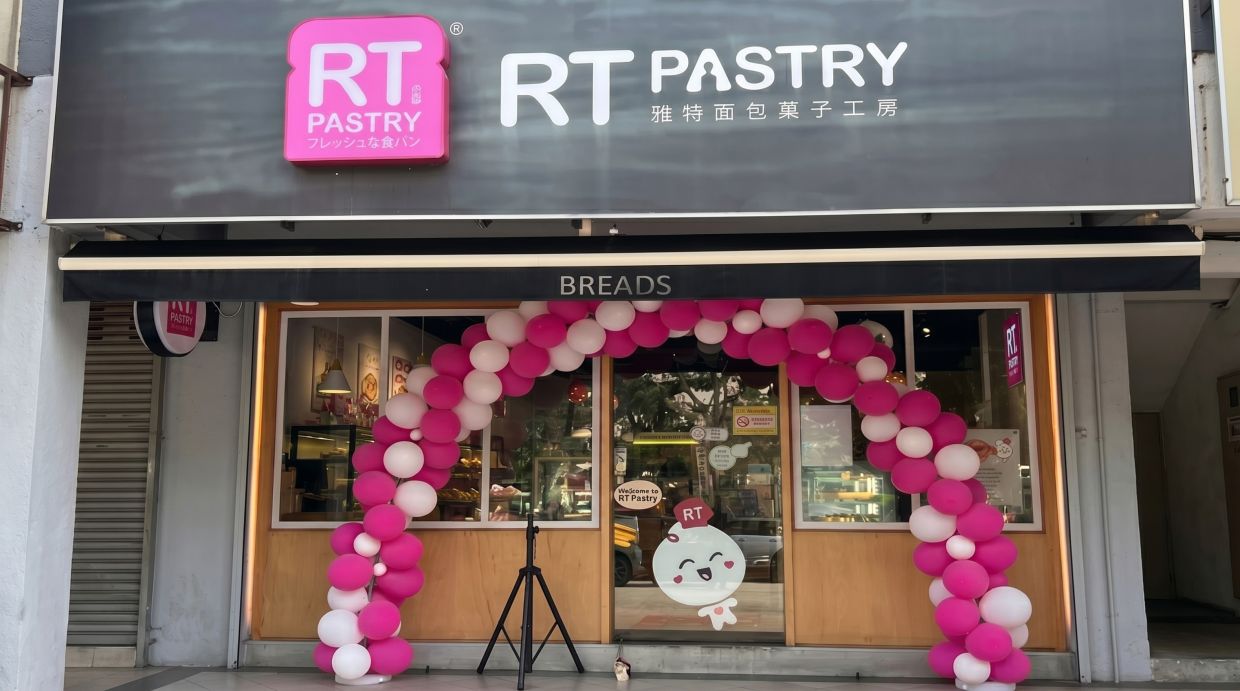
RT Pastry Holdings Bhd has successfully gained halal certification from Malaysia's Department of Islamic Development (JAKIM) for its primary production facility, bolstering its credentials in the nation's expanding halal bakery sector. The certification, awarded on July 1, extends through June 30, 2028, and encompasses the company's comprehensive product range manufactured at Plant 1 in Taman Bukit Serdang, Seri Kembangan, Selangor.
The approval represents a significant milestone for the publicly listed bakery operator, which already holds halal accreditation for its secondary facility in Glenmarie since 2023. By securing certification for both major production hubs, RT Pastry has substantially reinforced its capacity to serve Malaysia's predominantly Muslim consumer base with confidence and regulatory assurance. The dual-facility certification signals operational maturity and demonstrates the company's systematic approach to halal compliance across its manufacturing ecosystem.
The certification adheres to Malaysia's stringent halal standards framework, specifically the Malaysian Halal Standard MS1500:2019, which mandates rigorous protocols for ingredient sourcing, production methodologies, handling procedures, and sanitary conditions. This standard ensures that all stages of manufacturing—from raw material acquisition to final packaging—comply with Islamic dietary principles and quality benchmarks. For a diversified bakery manufacturer, achieving and maintaining such certification requires continuous oversight of supplier chains, staff training, and production environment management.
RT Pastry's portfolio encompasses an extensive array of products across multiple categories, including conventional cakes, Swiss rolls, pastries, cookies, and desserts. The breadth of products now covered by the JAKIM certification underscores the company's ambition to penetrate deeper into Malaysia's substantial Muslim consumer market, where halal assurance significantly influences purchasing decisions. For families and institutions seeking reliable halal-certified bakery options, RT Pastry's expanded credential portfolio offers practical reassurance when selecting products for everyday consumption or special occasions.
Executive director and group chief executive officer Lu Chun-Neng framed the certification as transcending mere regulatory compliance, emphasising that halal accreditation reflects the organisation's fundamental commitment to quality standards, operational transparency, and consumer trust. This positioning reflects a broader understanding within Malaysia's food manufacturing sector that halal certification functions as a quality assurance mechanism beyond its religious significance. Many international and domestic consumers—both Muslim and non-Muslim—increasingly view halal certification as an indicator of rigorous food safety and manufacturing discipline.
The strategic importance of this certification extends beyond domestic market considerations. Malaysia's halal economy has emerged as a regional and global force, with the country positioning itself as a halal hub for Southeast Asia and beyond. For RT Pastry, holding current JAKIM certification on multiple facilities enhances export competitiveness, particularly within Muslim-majority markets across the region where halal provenance carries substantial weight in commercial negotiations and consumer preferences. The certification essentially serves as a quality passport for international expansion efforts.
The bakery sector represents a cornerstone of Malaysia's food manufacturing landscape, contributing significantly to employment, rural development, and export revenues. Within this competitive environment, halal certification has become a baseline expectation rather than a differentiator, making it essential for companies to maintain current accreditations across all production sites. RT Pastry's decision to systematically secure and maintain certifications for each facility demonstrates recognition that market leadership requires institutional commitment to regulatory excellence.
Consumer behaviour patterns across Malaysia indicate increasing scrutiny of halal credentials, particularly among younger, digitally-connected populations who cross-reference certifications through JAKIM's online database before purchase decisions. By prominently communicating its dual-facility certification status, RT Pastry can leverage this transparency to build brand equity among increasingly discerning consumers. The certification also facilitates access to corporate procurement channels—schools, hospitals, government institutions—where halal compliance constitutes a mandatory requirement.
The five-year validity period of the certification (2024-2028) provides RT Pastry with a stable operational window for capacity expansion and product development without immediate recertification pressures, though the company will need to commence renewal applications approximately six months before expiration. This timeline affords management sufficient runway to plan facility upgrades, introduce new product lines, or expand production volumes while maintaining compliance. For investors, the multi-year certification visibility reduces regulatory risk and signals management competence in navigating Malaysia's halal governance framework.
RT Pastry's commitment to expanding product offerings—as noted in the executive's statement—suggests potential new categories entering the halal-certified pipeline in coming years. Whether through innovation in traditional bakery items or diversification into adjacent categories like ready-to-eat meals or premium product lines, the company's halal infrastructure now supports broader strategic ambitions. The certification essentially removes regulatory barriers that might otherwise constrain product development or market expansion initiatives.
The company's emphasis on serving "a broader customer base" reflects the dual market dynamics at play in Malaysia's food manufacturing sector. While the halal certification directly addresses Muslim consumer requirements and institutional procurement mandates, it simultaneously functions as a quality endorsement appealing to all consumer segments. This inclusive positioning allows RT Pastry to market its products across demographic and religious lines without sacrificing credibility among its core Muslim customer base. The halal certification thereby serves as a unifying credential in an increasingly diverse marketplace.

