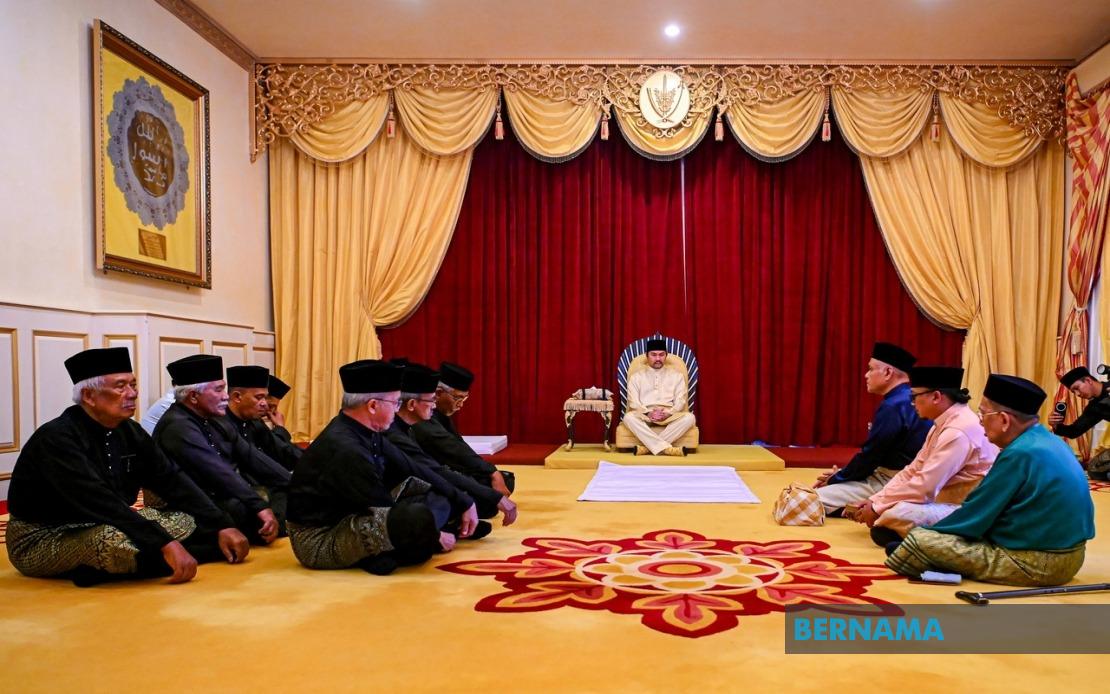
The Yang Dipertuan Besar of Negeri Sembilan, Tuanku Muhriz Tuanku Munawir, has given his royal consent for a formal ceremony to install the newly appointed Undang of Luak Sungei Ujong, with the proceedings set to take place at Istana Besar Seri Menanti in Kuala Pilah on Saturday morning. The announcement came through Tunku Besar Seri Menanti Tunku Ali Redhauddin Tuanku Muhriz, who delivered the royal decree during an official audience with the customary leaders and hereditary representatives of the luak on Friday.
Muhammad Faris Johari, aged 29, has been selected as the 11th Undang of Luak Sungei Ujong following a formal process conducted by the Buapak customary council assembly in accordance with the adat, or traditional customs and practices that govern the selection of such positions. This appointment comes after the dismissal of his predecessor, Datuk Klana Petra Datuk Mubarak Dohak, who served as the 10th Undang. The Dewan Keadilan dan Undang, a judicial body overseeing customary affairs, formally accepted the dismissal at an earlier stage of the process.
Tunku Ali Redhauddin conveyed his father's blessing for the ceremonial formality, formally known as Istiadat Menghadap Menjunjung Duli Bagi Menyempurnakan Kejadian Undang Luak Sungei Ujong. During the audience, he emphasised that the selection had been carried out in strict accordance with the established customs and traditions uniquely practised within Luak Sungei Ujong, an important distinction given that each luak, or traditional district within Negeri Sembilan's nine-fold administrative structure, maintains its own ceremonial procedures.
Waris Negeri Sungei Ujong Datuk Sinda Maharaja Razlan Hamid, who represented the luak throughout these proceedings, confirmed that all preparations and further arrangements would be coordinated with the Orang Empat Istana, the palace officials responsible for royal ceremonies. Tunku Ali Redhauddin expressed his confidence that all logistical and ceremonial details would progress without impediment, and offered his prayers for a successful installation ceremony.
The installation represents a significant moment in Negeri Sembilan's customary governance framework, which operates according to Adat Perpatih, one of Malaysia's two main adat systems. This framework vests considerable authority in hereditary chiefs and customary councils to manage internal affairs and select their leaders through traditional methods, a unique constitutional arrangement that reflects Negeri Sembilan's historical federation of semi-independent chiefdoms. The formal royal audience serves to legitimise the customary process within the broader framework of the state's constitutional monarchy.
Parallel proceedings are also underway in another of Negeri Sembilan's luaks. The same Saturday ceremony will also formalise the installation of the 22nd Undang of Luak Rembau, following royal consent granted by Tuanku Muhriz on the preceding day. This simultaneous installation of customary leaders across multiple districts underscores the ongoing vitality of Negeri Sembilan's adat system and the regular renewal of its hereditary leadership positions, even as the state navigates modern governance challenges.
Menteri Besar Datuk Seri Aminuddin Harun confirmed that the formal decision to accept the dismissal of the previous Sungei Ujong Undang occurred during a special sitting presided over by Tuanku Muhriz himself at Istana Besar Seri Menanti. The Menteri Besar's attendance underscores the significance of these customary appointments and the state government's recognition of their importance to Negeri Sembilan's constitutional and social fabric, even though the customary sphere operates with considerable autonomy from state administration.
The selection of Faris Johari as the new Undang marks the elevation of a relatively young individual to a position of considerable cultural and ceremonial authority. The youthful appointment suggests continuity with contemporary leadership trends that have seen younger members of Negeri Sembilan's aristocratic and hereditary communities stepping into traditional roles, though still maintaining deep knowledge and commitment to adat practices. This balance between youth and tradition remains a defining characteristic of how customary institutions in Malaysia's princely states adapt to modern contexts.
Negeri Sembilan's adat system, codified in its constitution and protected by federal law, provides for such customary installations through formally recognised channels that blend hereditary selection with ceremonial validation. The role of the Yang Dipertuan Besar in formalising these appointments ensures that customary authority remains anchored within the state's broader constitutional order, maintaining the symbiotic relationship between hereditary chieftaincy and monarchical authority that has characterised the state since its 1898 federation agreement. The royal audience ceremony thus serves not merely as celebration but as constitutional affirmation.
For Malaysian readers and particularly those in Negeri Sembilan, these ceremonies carry cultural resonance extending beyond administrative matters. The formalisation of customary leadership through royal audience represents continuity with historical governance practices predating colonial rule, though now operating within an explicitly constitutional framework. Such proceedings demonstrate how traditional and modern legal systems continue to coexist and reinforce each other in specific Malaysian contexts, offering insights into how heritage institutions maintain relevance and legitimacy in contemporary governance.

