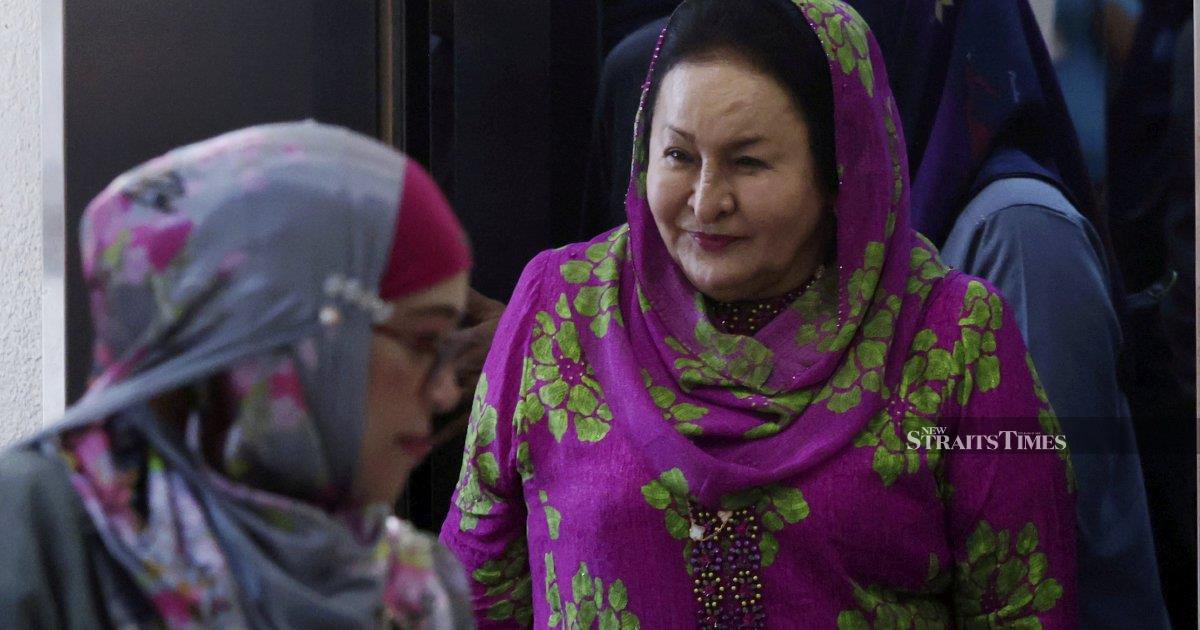
Datin Seri Rosmah Mansor has secured temporary relief from a RM67.46 million financial obligation to Lebanese jewellery company Global Royalty Trading SAL, as she moves to challenge an earlier court judgment through the appellate process. The conditional stay, which suspends enforcement of the ruling pending her appeal to the Court of Appeal, provides the former Prime Minister's wife with a crucial breathing space as legal proceedings continue.
The jewellery case represents one of several high-profile civil disputes involving Rosmah in recent years, reflecting the complex financial entanglements that have become public knowledge following the 2018 change of government. The substantial sum in question underscores the scale of luxury acquisitions that have attracted sustained scrutiny from investigators and the public alike. The judgment itself stemmed from transactions with the international jewellery trader, which had taken legal action to recover outstanding payments.
The conditional nature of the stay is significant, as courts typically impose specific requirements when granting such relief. These conditions may include furnishing security, maintaining regular case progression, or adhering to strict procedural timelines. Such safeguards protect the creditor's interests while allowing the defendant space to pursue legitimate appellate rights. In Malaysia's legal system, the granting of a stay demonstrates the court's assessment that there are sufficiently serious grounds warranting further examination at a higher judicial level.
Rosmah's ability to secure this reprieve reflects the availability of legal remedies accessible through Malaysia's court structure, though it does not prejudge the merits of her underlying appeal. The appellate process itself will subject the original judgment to fresh scrutiny, with judges examining whether the trial court correctly applied the law and whether the evidence presented justified the finding. This staged approach to dispute resolution, where decisions can be reviewed and potentially overturned, remains a cornerstone of Malaysia's common law inheritance.
The case has garnered considerable public attention given Rosmah's high profile and the nature of the dispute. Her previous involvement in corruption-related investigations following her husband Dr Mahathir Mohamad's departure from office established her as a figure of enduring public interest. The jewellery matter, whilst civil rather than criminal in nature, has contributed to broader discussions about wealth accumulation and the lifestyles of political figures' families. The substantial sums involved illustrate the level of luxury spending that occurred during the earlier administration.
From a practical standpoint, the stay provides Rosmah's legal team additional time to prepare comprehensive arguments for the appellate hearing. They will need to identify legal errors allegedly made at the trial stage, present arguments on substantive law, and potentially challenge the factual findings if there is basis to do so. The Court of Appeal will then determine whether the original judgment should stand, be modified, or be overturned entirely. This appellate review mechanism represents a critical juncture in the case's trajectory.
The involvement of a foreign company in pursuing the claim adds an international dimension to the proceedings. Lebanese entities conducting business with Malaysian clientele are protected under Malaysia's legal frameworks and can pursue enforcement of contractual rights through the courts. However, cross-border enforcement of judgments presents practical challenges that extend beyond the courtroom itself. Should Rosmah ultimately lose her appeal, questions of enforcement mechanism and asset jurisdiction would assume greater importance.
The financial implications of such judgments extend beyond the immediate parties involved. Large civil awards can have cascading effects on personal finances, family interests, and broader asset positions. The RM67.46 million figure represents a substantial claim that would materially impact the financial situation of any individual facing enforcement. This reality underscores why appellate rights are jealously protected in legal systems and why courts are typically receptive to conditional stays where grounds exist for genuine appeals.
For Malaysian observers, this case exemplifies how high-profile political figures remain subject to Malaysia's civil justice system and cannot escape legal accountability through political status or influence. Unlike the criminal cases that have dominated headlines involving Rosmah and her former husband, this civil matter operates under different procedural and evidentiary rules, where contractual rights and commercial obligations form the basis of claims. The availability of appellate remedies demonstrates the robustness of Malaysia's judicial system in examining contested decisions.
Looking forward, the Court of Appeal's handling of this matter will contribute to jurisprudence on commercial disputes and judgment enforcement. The court's reasoning in assessing whether the stay was appropriately granted, and subsequently in examining the substantive appeal, will provide guidance to legal practitioners and inform future similar cases. Beyond the immediate parties, therefore, the case holds broader significance for Malaysia's commercial law landscape and how courts balance debtor rights with creditor protections.
The conditional stay represents a temporary equilibrium in what remains an unresolved dispute. Whether Rosmah ultimately succeeds in her appeal or faces enforcement of the judgment remains to be determined through the appellate process. The upcoming hearing will reveal whether courts at the higher level identify sufficient grounds to disturb the original decision or whether the trial judgment will be affirmed. Until that determination is reached, the stay preserves the status quo while legal arguments proceed through proper channels.

