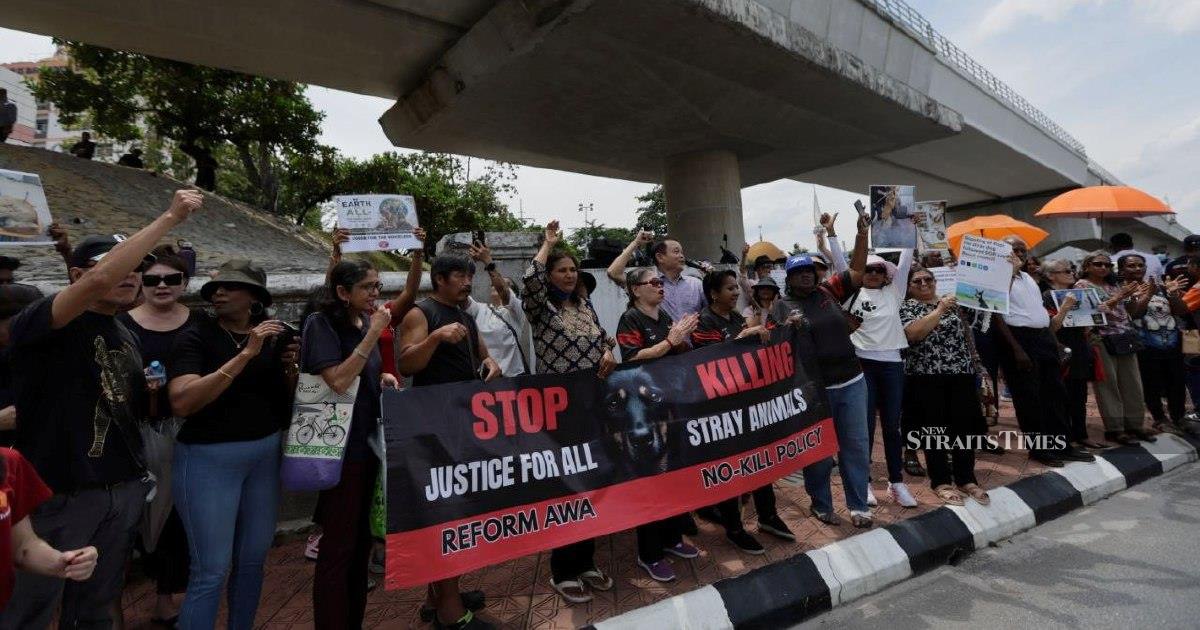
The owner of Rocky, the dog whose case captured public attention and sparked significant debate, is now considering initiating legal proceedings following the results of an official investigation, according to statements from her legal representatives issued in Klang today. The decision to explore legal remedies reflects the owner's assessment that the investigation's conclusions warrant further action through the judicial system.
The controversy surrounding Rocky has resonated widely across Malaysia, drawing responses from animal welfare advocates, legal experts, and members of the public who have followed developments closely. The intensity of public interest underscores the broader tensions in Malaysian society regarding animal protection, government authority, and the rights of pet owners in situations involving their animals.
The legal team has indicated that the investigation outcomes provide the foundation upon which the owner can base her claims and determine the appropriate course of legal action. This suggests that the investigation may have uncovered findings that the owner's representatives believe support their position or demonstrate grounds for grievance that warrant court proceedings.
While specific details regarding the nature of potential legal claims remain unclear, such cases typically involve questions of due process, procedural fairness, and whether official actions taken were proportionate and lawful. In situations involving government agencies and private citizens over animal matters, courts have previously examined whether proper protocols were followed and whether the interests of all parties were adequately considered.
The decision to pursue legal remedies reflects a shift toward formal institutional processes after what appears to have been administrative or regulatory proceedings. For Malaysian readers, this development illustrates how domestic disputes involving pets can escalate into multi-stage legal proceedings involving investigative bodies, potential litigation, and questions about regulatory authority.
The case has broader implications for Malaysia's regulatory framework governing animal ownership and the powers granted to authorities in managing disputes or concerns related to animals. As urbanisation increases pet ownership throughout Southeast Asia, questions about how governments should balance animal welfare concerns with property rights and personal autonomy continue to grow more pressing.
This situation also reflects a trend in which individual cases become focal points for larger conversations about institutional accountability and whether official actions meet acceptable standards of transparency and fairness. For Malaysians accustomed to seeing cases develop through both public discourse and legal channels simultaneously, this development maintains Rocky's case in the public consciousness while shifting the primary arena toward the courts.
The forthcoming legal proceedings, should they materialise, may establish important precedents regarding the scope of regulatory authority over animals and the circumstances under which owners can challenge official decisions. Such outcomes could influence how similar cases are handled in future, affecting not only individual pet owners but also the agencies responsible for animal-related matters.
The involvement of legal representatives also indicates that the owner is preparing for a formal dispute that may require substantial documentation, expert testimony, and arguments grounded in statutory interpretation and case law. This professionalization of the dispute suggests that both parties view the matter as involving significant principles extending beyond the specific circumstances of Rocky's case.
For the Southeast Asian context, Malaysia's handling of this matter reflects broader regional patterns in how developing democracies navigate tensions between government regulation and individual rights. The case demonstrates how social media and public opinion can sustain pressure on legal and regulatory institutions to reconsider or justify their decisions.
The timeline for any legal action remains unspecified, though the completion of investigations typically creates momentum for next steps. The owner's legal team has not disclosed which courts or legal mechanisms might be engaged, leaving open questions about whether proceedings will occur at the lower courts or through higher-level judicial review.

