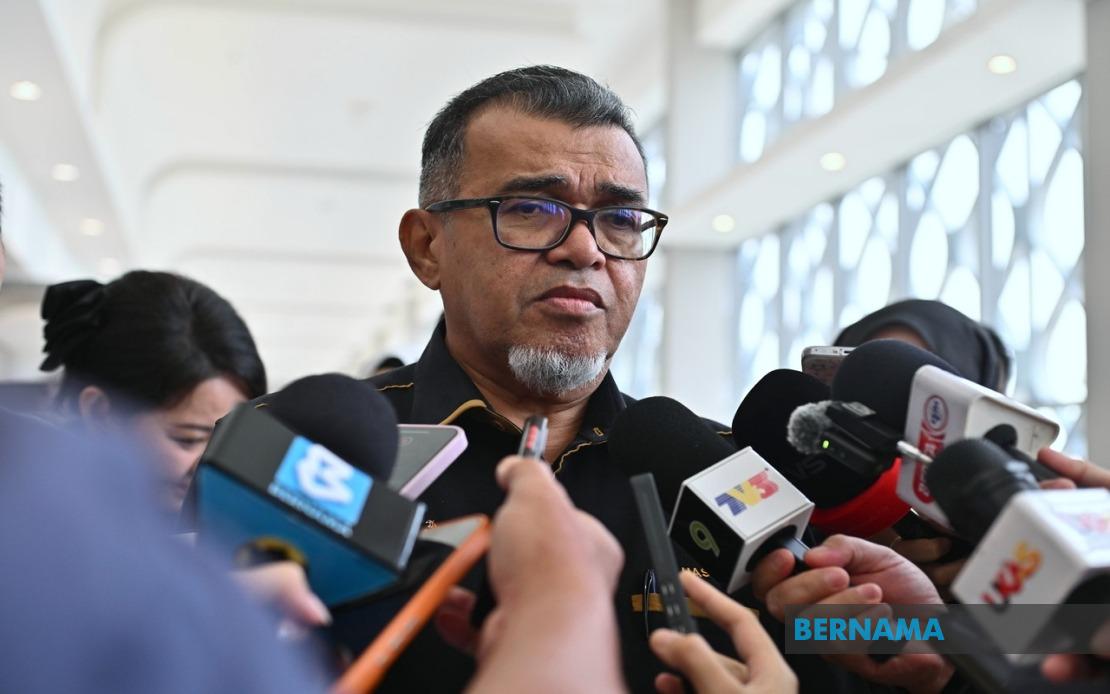
The Federal Government has committed RM30 million towards modernising two critical aviation lifelines serving remote communities in Sarawak's interior. Deputy Transport Minister Datuk Hasbi Habibollah disclosed that Long Banga and Ba'kelalan will each receive RM15 million in development funds, representing a significant infrastructure investment aimed at addressing connectivity challenges in Malaysia's less accessible regions.
The upgrade initiative reflects broader government priorities to ensure that infrastructure development reaches beyond urban centres. Datuk Hasbi explained that the investment seeks to bring these facilities in line with contemporary operational standards, acknowledging that rural STOLports have historically faced resource constraints compared to their counterparts in developed areas. By allocating equal amounts to both locations, the government signals recognition that geographic isolation should not translate into developmental neglect.
Runway extension represents a cornerstone of the planned improvements. Currently, Twin Otter aircraft—the primary workhorses servicing these routes—operate under significant passenger capacity limitations due to existing airfield dimensions. These turboprop-powered machines typically accommodate between 15 and 19 passengers, creating bottlenecks during peak travel periods. Extended runways would theoretically permit deployment of larger regional aircraft or enable Twin Otters to operate with increased payload capacity, directly translating to improved transport efficiency for both residents and commercial goods.
The practical implications for Sarawak's interior communities extend beyond mere convenience. Long Banga and Ba'kelalan serve as economic and social hubs for indigenous populations in the Baram and Limbang regions. Improved airport capacity influences everything from emergency medical evacuations to educational access, agricultural exports, and tourism potential. Enhanced facilities can reduce travel times to larger population centres, lowering logistical costs for regional development initiatives and making specialist services more accessible to remote populations.
This investment must be contextualised within Malaysia's broader infrastructure modernisation agenda. Sarawak, despite its vast land area and significant economic contributions through petroleum and timber resources, has historically required substantial federal support to maintain transport connectivity across difficult terrain. The STOL airport network represents a uniquely Malaysian solution to geographic challenges that conventional runway infrastructure cannot address. These airports enable year-round operations to areas where alternative surface transport routes remain unreliable or non-existent.
The timing of this announcement carries additional significance. Datuk Hasbi revealed the allocation during his attendance at the National MADANI Taxi Renewal Programme for Sarawak, highlighting how transport infrastructure improvements operate across multiple sectors and scales. This integrated approach suggests coordinated planning between different transport modes and recognises that comprehensive rural connectivity requires simultaneous attention to various mobility systems.
Beyond immediate passenger benefits, runway extensions enable expanded cargo operations. Many interior communities depend on air freight for receiving supplies, while local agricultural products and handicrafts rely on efficient export mechanisms. Larger aircraft capacity reduces per-unit shipping costs, potentially making remote area commerce more economically viable. This infrastructure investment therefore carries subtle implications for rural enterprise development and income generation.
Maintenance and operational efficiency improvements form part of the upgrade scope. Aging STOL facilities often accumulate deferred maintenance issues, and dedicated upgrade funding permits comprehensive facility rehabilitation. Enhanced drainage systems, improved terminal buildings, upgraded navigational aids, and strengthened aprons reduce operational interruptions caused by weather or equipment failure. These improvements enhance safety standards and enable more reliable scheduling, particularly critical in regions where air transport represents the primary connection to external services.
Regional aviation dynamics across Southeast Asia demonstrate growing interest in STOL network expansion. Countries like Indonesia and Papua New Guinea rely extensively on similar airport systems to serve archipelagic and mountainous territories. Malaysia's commitment to upgrading these facilities positions the country advantageously within regional aviation discussions and demonstrates advanced capacity in remote area transport solutions. This expertise may eventually translate to technical cooperation opportunities across the region.
The allocation also signals evolving perspectives on equity in infrastructure investment. Historically, transport development concentrated on high-volume corridors linking major cities. Contemporary approaches increasingly recognise that peripheral communities deserve comparable service standards and that infrastructure gaps perpetuate socioeconomic disparities. By systematically upgrading rural aviation facilities, the government addresses longstanding connectivity gaps affecting indigenous populations and underserved communities.
Implementation challenges remain considerable. Sarawak's geographic characteristics—dense rainforest, mountainous terrain, limited heavy equipment access—complicate construction projects. Weather patterns impose seasonal restrictions on construction activities, potentially extending project timelines. Material procurement and skilled labour sourcing in remote areas require careful planning and may involve importing specialised expertise. These practical constraints influence project delivery schedules and necessitate rigorous management oversight.
Future expansion possibilities merit consideration. Should the Long Banga and Ba'kelalan upgrades prove successful, similar investments might extend to other underutilised STOLports across Sarawak. Economic growth in interior regions could eventually justify additional aircraft capacity or expanded service frequencies. Progressive infrastructure development creates foundation for subsequent phases of regional advancement, ensuring that initial investments catalyse broader development trajectories.
Looking forward, these upgrades represent important steps toward integrated rural transport networks. Coordinating STOLport improvements with road development, telecommunications infrastructure, and service facility expansions creates synergistic effects that multiply individual investment returns. Success in these endeavours could establish templates for addressing connectivity challenges in other Malaysian states or regional jurisdictions facing similar geographic obstacles.

