The Sungai Rambai state constituency in Melaka will receive more than RM2 million in funding to bolster its flood defences through a comprehensive drainage modernisation programme. The allocation targets critical water management projects across the region, with a significant RM1 million portion dedicated specifically to upgrading Parit Keliling in Kampung Semujuk, Seri Mendapat. The initiative reflects growing recognition of the constituency's inherent flood vulnerability and the need for proactive infrastructure investment to protect residents and agricultural lands from increasingly severe weather events.
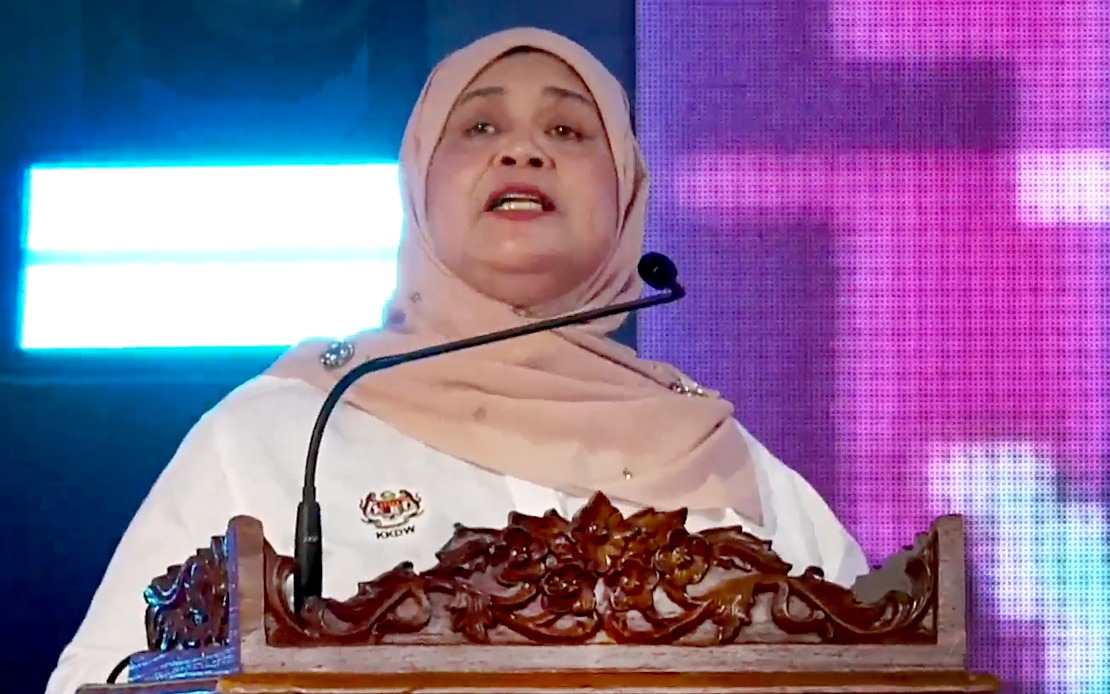
Sungai Rambai state assemblyman Datuk Siti Faizah Abdul Azis outlined the strategic rationale behind the investment during remarks at the Festival D'Bendang Melaka 2026 closing ceremony on July 12. She emphasised that the drainage enhancement projects serve as a comprehensive approach to managing the region's unique hydrological challenges and limiting future flood damage. The assemblyman stressed that flooding mitigation demands constant vigilance and coordination with government agencies responsible for water infrastructure maintenance and emergency preparedness.
Geographical and topographical factors make Sungai Rambai particularly susceptible to inundation. The constituency functions as a natural water catchment zone due to its terrain composition and soil characteristics, which allow it to retain and absorb significant volumes of water. During monsoon seasons and heavy downpours, the area receives substantial water flow originating from the higher elevation regions of Johor state, compounding localised drainage challenges. This positioning along the state border transforms Sungai Rambai into a convergence point for rainwater from a wider catchment region, placing extraordinary demands on local drainage systems.
The flooding risk represents a persistent threat to the constituency's agricultural and residential communities. Farmers in the region, many operating within the padi cultivation sector that forms the backbone of Melaka's rural economy, face recurring crop losses and infrastructure damage when drainage systems become overwhelmed. Residents in low-lying areas similarly endure property damage, disrupted livelihoods, and displacement during severe weather events. The RM2 million allocation acknowledges these cumulative impacts and signals government commitment to reducing vulnerability among the constituency's most exposed populations.
Existing maintenance programmes already play a defensive role in managing drainage capacity. Currently, 46 drainage channels throughout the Sungai Rambai constituency undergo regular cleaning and scheduled maintenance to preserve their water-carrying capability. The Department of Irrigation and Drainage (DID) provides essential support by managing the larger main drainage arteries that serve multiple communities and agricultural zones. This multi-tiered maintenance structure creates a baseline level of flood preparedness, though the substantial new investment indicates recognition that current practices require supplementation with structural improvements and system upgrades.
The upgrade projects encompass both irrigation system enhancements and drain infrastructure improvements designed to increase overall water management efficiency. By expanding and modernising the existing drainage network, authorities aim to accelerate water evacuation from vulnerable areas during extreme rainfall events. Enhanced irrigation systems offer secondary benefits by allowing better water flow control during normal conditions and improving agricultural water availability during dry seasons. The integrated approach treats flooding mitigation and agricultural sustainability as complementary objectives rather than competing priorities.
Siti Faizah characterised ongoing drainage infrastructure development and maintenance activities as foundational to disaster risk reduction and community resilience building. She articulated that systematic upgrades to water management systems directly diminish the scope and severity of flood-related losses across both residential and agricultural sectors. Regular maintenance cycles prevent system degradation that would otherwise compound flooding risks over time. Together, these measures establish a forward-looking framework for managing Sungai Rambai's hydrological challenges and positioning the constituency for sustainable development despite environmental constraints.
The infrastructure investment aligns with broader national emphasis on strengthening rural resilience and supporting agricultural communities. As Malaysia confronts the reality of increasingly erratic weather patterns and intensified rainfall events associated with climate change, investments in localised flood defences become critical components of national adaptation strategy. Sungai Rambai's experience demonstrates how specific constituencies require tailored solutions reflecting their unique geographical and hydrological profiles. Directing substantial resources toward constituency-level infrastructure reflects recognition that centralised, one-size-fits-all approaches prove insufficient for managing region-specific environmental challenges.
The timing of the announcement coincided with Festival D'Bendang Melaka 2026, a three-day celebration of rural culture and agricultural heritage inaugurated under Deputy Rural and Regional Development Minister Datuk Rubiah Wang. The festival programming included exhibitions from government agencies, rural entrepreneur showcases, and traditional folk games, creating opportunities for direct engagement between residents and officials responsible for rural development initiatives. This community engagement platform enabled discussion of flooding concerns and drainage improvement plans with affected populations, ensuring that infrastructure investment responds to documented community priorities rather than proceeding from purely technical assessments.
Looking forward, the success of the RM2 million drainage initiative will depend on effective execution by implementing agencies and sustained commitment to maintenance protocols following project completion. The multi-agency coordination framework involving DID and state government authorities requires clear responsibility delineation and funding mechanisms for ongoing maintenance. Community education programmes should accompany infrastructure improvements, helping residents understand updated drainage systems and flood early warning procedures. As Sungai Rambai continues developing economically, particularly within the agricultural and rural tourism sectors, robust flood management infrastructure becomes increasingly essential to protecting accumulated investments and enabling sustainable livelihood expansion.

