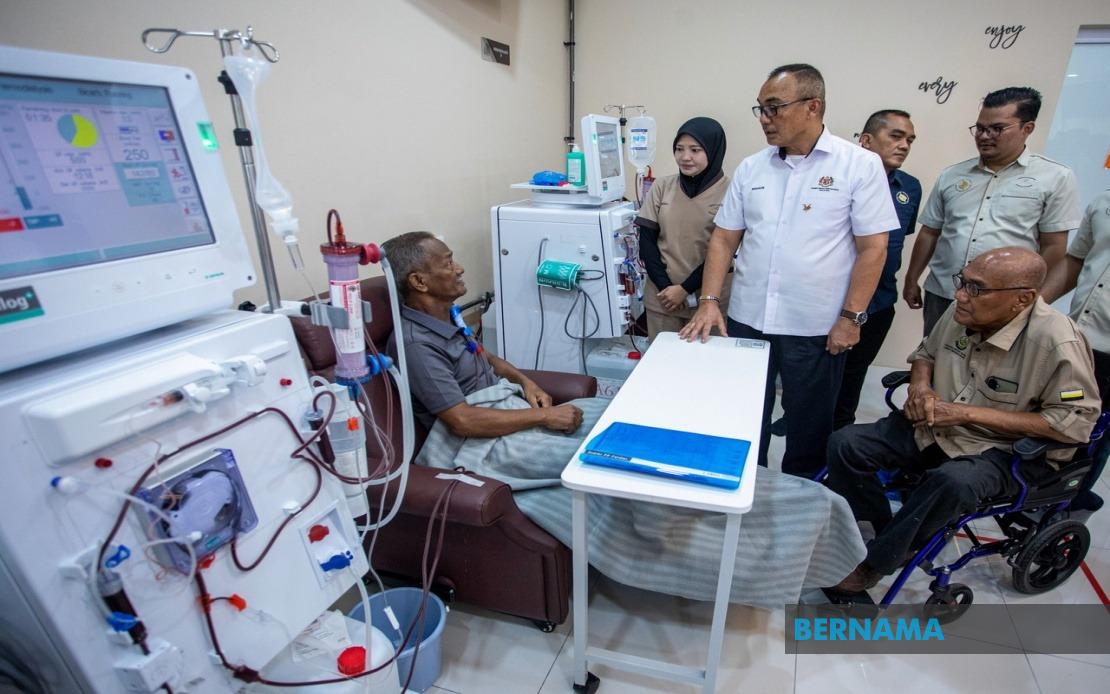
The Malaysian Armed Forces Veterans Foundation (YVATM) has committed over RM18 million to establish nine new dialysis treatment centres across the country, marking a significant expansion in specialized healthcare services for military veterans and their dependents. The initiative reflects growing recognition of the healthcare needs within the veteran population and the government's broader commitment to improving public health infrastructure beyond traditional military medical facilities.
Major General Datuk Semaon Marjuki, director-general of the Malaysian Armed Forces Veterans Affairs Department (MAF JHEV), announced the development while officiating the opening of the Batu Kurau dialysis centre in Perak. He emphasized that this strategic expansion represents YVATM's determination to enhance treatment accessibility across multiple regions, moving beyond concentrated urban centres to reach veterans and communities in less densely populated areas.
The nine facilities follow a carefully planned geographical distribution. Selangor, as the country's most densely populated state and home to a substantial veteran population, receives four centres, while Perak gets two. The remaining three centres are individually allocated to Negeri Sembilan, Johor, and Pahang, ensuring coverage across the peninsula's different regions and demographic zones. This dispersal strategy aims to minimize travel burden for patients requiring regular dialysis appointments, a crucial consideration given that kidney disease patients typically need treatment multiple times weekly.
Each centre has been outfitted with contemporary medical equipment conforming to Ministry of Health standards, ensuring consistency with national healthcare protocols. The facilities employ experienced nursing and medical staff trained in dialysis care, addressing a critical component of service quality. The operational framework emphasizes patient comfort and dignity, recognizing that dialysis patients endure significant physical and psychological stress from their condition and regular treatment schedules.
Operational responsibility for all nine centres rests with DVET Holding Sdn Bhd, a subsidiary entity wholly owned by the MAF Veterans Foundation. This structure allows the foundation to maintain direct oversight of service delivery while leveraging specialized operational expertise in managing dialysis facilities. The arrangement ensures that facilities remain aligned with the foundation's mission to support veteran welfare without compromising operational efficiency.
Current demand for dialysis services among the veteran population is substantial. Across Malaysia, 2,055 military veterans are presently receiving dialysis treatment at various facilities, including JHEV-operated centres, Social Security Organisation clinics, and other approved healthcare providers. This figure underscores the prevalence of chronic kidney disease within the veteran demographic, potentially reflecting occupational exposures, stress-related health outcomes, or the cumulative health effects of military service. The new centres will consolidate and expand existing provision, offering veterans preferred access to YVATM-operated facilities.
The investment demonstrates the government's recognition that veteran healthcare extends beyond acute trauma or service-related injuries to encompass long-term chronic disease management. Dialysis treatment represents one of the most resource-intensive healthcare interventions available, requiring ongoing capital investment, trained personnel, and reliable supply chains for consumables. By dedicating RM18 million specifically to this service line, authorities signal their commitment to supporting veterans throughout their post-service lives, not merely during active duty or immediate transition periods.
The expansion also carries implications for broader healthcare access. While the centres prioritize veterans and their families, they will serve the general public during available capacity, effectively strengthening community healthcare resilience in regions served. This dual-access model allows the healthcare system to maximize facility utilization while fulfilling the government's welfare responsibilities to the veteran population. Rural and semi-rural areas particularly benefit, as dialysis services in such regions are often limited or non-existent.
From a financial perspective, the allocation reflects Malaysia's healthcare budgeting priorities and recognition that chronic disease management consumes an increasing proportion of health expenditure. Dialysis patients represent a stable, predictable revenue stream for facility operators, making the investment relatively secure. The involvement of a foundation-controlled operating entity also potentially improves financial sustainability compared to purely government-funded models, as the structure may generate operational revenue while maintaining service access for those unable to pay.
The timing of this expansion coincides with broader Southeast Asian trends toward enhanced veteran support mechanisms. Regional governments increasingly recognize that aging veteran populations require comprehensive long-term care services, and Malaysia's initiative positions the country as relatively advanced in this regard. The visibility of new, modern facilities may also improve veteran morale and strengthen the narrative around government appreciation for military service.
Major General Semaon's statement that the centres will strengthen the welfare agenda for veterans aligns with official rhetoric emphasizing human-centred governance. By providing accessible, quality healthcare infrastructure, the government addresses tangible quality-of-life concerns for a demographic that has sacrificed significantly for national security. The programme demonstrates that veteran support extends to preventive and maintenance healthcare, not merely emergency or acute interventions.
Looking forward, the success of these nine centres may inform decisions about further expansion or service diversification. Chronic disease prevalence among veterans likely extends to diabetes, hypertension, and cardiovascular conditions, suggesting potential future investment in integrated chronic care facilities serving multiple medical specialities. The established operational framework and infrastructure provide a foundation for such expansion.

