Two hundred motorcyclists in the Renggam area of Kluang received RM5 fuel vouchers on June 25, marking the latest in a series of government assistance programmes designed to ease the financial pressures facing everyday commuters. The distribution formed part of the Jiwa@Komuniti MADANI Sembang Santai World Cup Edition programme, a broader initiative emphasising direct engagement between state institutions and local communities.
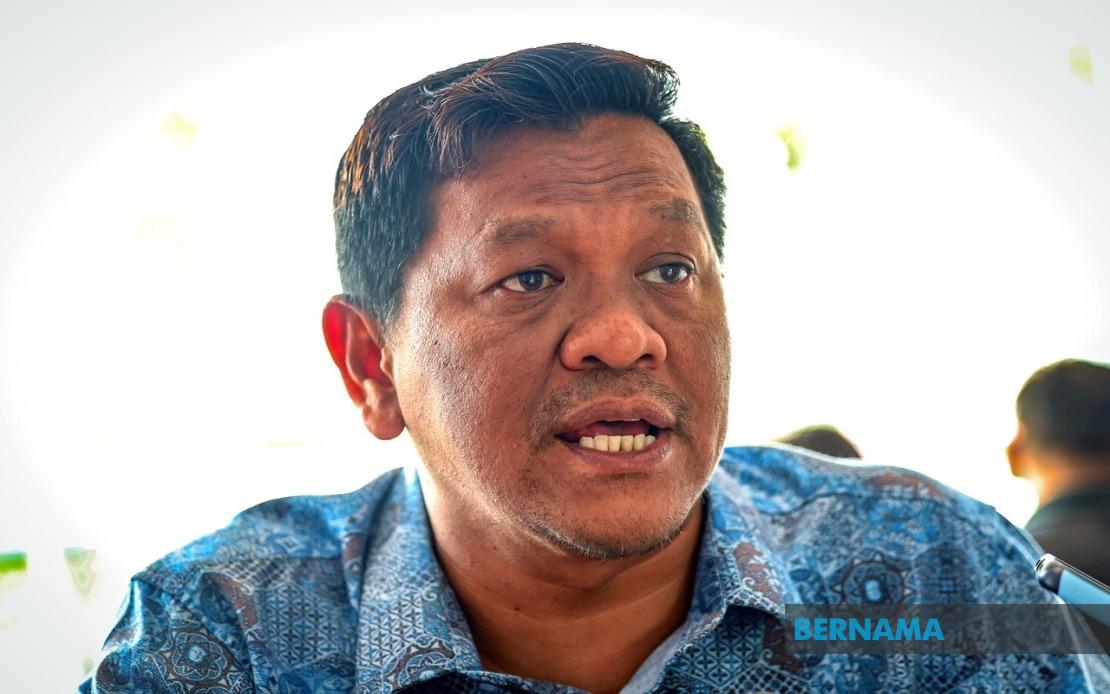
Abdullah Izhar Mohamed Yusof, political secretary to the Communications Minister, underscored the broader intent behind the initiative, characterising it as a reflection of governmental commitment to citizen welfare and social cohesion. Speaking at the event, he highlighted how such interventions extend beyond simple financial relief, serving instead as mechanisms for reinforcing the connection between authorities and the people they serve. The National Security Council's decision to implement the scheme demonstrates a strategic focus on reaching segments of the population whose livelihoods depend heavily on daily fuel consumption and who may face particular vulnerability to energy cost fluctuations.
What distinguishes this initiative from one-off relief measures is its positioning as a recurring programme rather than an isolated gesture. Abdullah Izhar indicated that the distribution would recur regularly, establishing a structured approach to community engagement at the grassroots level. This framing suggests that beyond the modest financial value of the vouchers themselves, government bodies view such programmes as valuable channels for maintaining dialogue and trust with communities that might otherwise feel disconnected from policy-making processes. For motorcyclists, many of whom operate in the informal economy or rely on daily earnings for household sustenance, predictable assistance carries psychological and practical significance.
The programme encompassed far more than simple voucher handover. Alongside the financial assistance, organisers facilitated briefings addressing contemporary issues and created dedicated dialogue spaces where residents could articulate concerns and suggestions affecting their locality. This structure reflects an understanding that grassroots engagement requires two-way communication rather than one-directional service delivery. Representatives from the National Security Council, Information Department, and Department of Community Communications collaborated to ensure residents received verified information regarding government policies, a particularly important function in an era marked by widespread misinformation and competing narratives regarding state initiatives.
Access to authentic information about government schemes represents a significant challenge in Malaysian governance, particularly in smaller towns and rural regions where communication infrastructure may be less developed. By establishing these community dialogue sessions, relevant agencies aim to bridge information gaps and ensure that ordinary citizens understand what programmes exist, how to access them, and what policy rationales underpin governmental decisions. For motorcyclists concentrated in areas like Renggam, many of whom may lack exposure to formal channels of government communication, such direct interaction provides invaluable clarity.
Abdullah Izhar articulated an ambitious vision for expanding such outreach efforts nationwide, expressing determination to ensure that all demographic segments receive access to reliable information and comprehend the government's policy landscape. This commitment carries particular weight given Malaysia's geographical and socioeconomic diversity. Rural and semi-urban communities, including those dependent on two-wheeled transport, often experience lower penetration of government information compared to urban centres. Systematic grassroots engagement thus addresses not merely immediate financial pressures but also structural inequalities in information access that can reinforce broader gaps in service delivery awareness.
The personal testimonies of voucher recipients illuminate the tangible impact of even modest assistance. M. Raja, a fifty-six-year-old father of five from Taman Sri Jaya, expressed genuine gratitude while simultaneously articulating aspirations for programme enhancement and frequency. His comment that monthly vouchers would be transformative reveals the precarious financial margins within which many motorcyclists operate, where small regular injections of relief can measurably improve household planning and stability. Rather than viewing the RM5 as trivial, Raja recognised its potential to offset transportation costs that accumulate relentlessly across weeks and months.
Similarly, Hee Eeck Kwe's appreciation centred on inclusion of rural communities in assistance schemes, suggesting that perceived exclusion from government benefit distribution had previously been a source of grievance. His response indicates that such programmes function beyond their immediate material function, serving also to communicate symbolic messages about governmental attention and recognition of rural populations. In Malaysian federalism, where urban-rural divides remain pronounced, such gestures carry political significance in reinforcing the legitimacy of state institutions across diverse constituencies.
The strategic positioning of this initiative alongside references to the World Cup suggests deliberate attempts to align government messaging with events capturing popular imagination and civic energy. By framing community engagement within a festive context emphasising unity and shared national interest, organisers attempt to generate broader enthusiasm for state-community dialogue beyond the specific voucher distribution. This reflects sophisticated understanding that effective governance communication requires attention to emotional resonance and cultural connection, not merely informational content.
Moving forward, the sustainability and scaling of such programmes present crucial questions for Malaysian governance. If the National Security Council intends to implement regular distributions nationwide, resource requirements and programme design will merit careful attention. Furthermore, the effectiveness of these initiatives depends substantially on whether they catalyse sustained improvements in government-community relations or risk becoming predictable performative exercises. For motorcyclists in Renggam and similar communities, the real test of commitment lies not in initial enthusiasm but in consistent follow-through on promises of regular assistance and meaningful dialogue.

