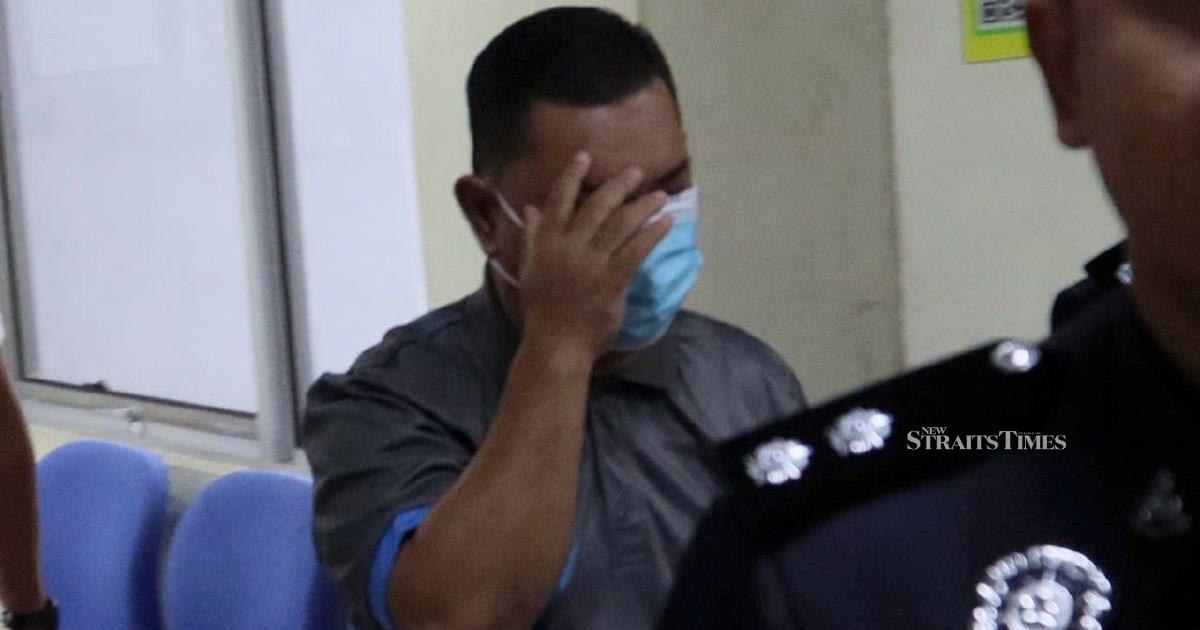
A man employed as a religious school teacher in Butterworth appeared before the Sessions Court today to face serious allegations of sexual misconduct against male students under his care. The defendant was formally charged with eight counts of sexual assault and outraging the modesty of several pupils, marking another case that has drawn attention to safeguarding vulnerabilities within Malaysia's education sector.
The appearance comes amid broader scrutiny of child protection mechanisms in schools across the country. Previous high-profile cases involving educators have prompted calls for strengthened vetting procedures, mandatory reporting protocols, and better training for staff responsible for recognising signs of abuse. The emergence of allegations against a teacher at a religious school specifically underscores that such issues transcend institutional boundaries and affect multiple educational settings.
Religious schools in Malaysia, including Islamic schools, madrasahs, and other faith-based institutions, serve thousands of students nationwide. These establishments operate under their own governance structures, though they must comply with national education standards. The nature of this case raises questions about whether oversight mechanisms are adequately equipped to identify and prevent misconduct, particularly given the relative autonomy some religious institutions maintain.
The Sessions Court's jurisdiction indicates the seriousness with which authorities are treating the allegations. The distinction between sexual assault and outraging modesty suggests the charges encompass varying degrees of inappropriate physical contact and conduct. Each count carries distinct legal implications and potential penalties under Malaysian law, with sentencing depending on evidence presented and judicial interpretation of the facts.
For the affected students and their families, the court proceedings will represent a protracted legal journey. Malaysian courts have demonstrated varied approaches to handling sensitive cases involving minors, attempting to balance the need for thorough investigation with protection of the young complainants. The availability of support services for affected children during legal proceedings remains an area of concern for child advocacy organisations operating domestically.
The teacher's defence will now proceed through the trial process, where both prosecution and defence will present evidence. In such cases, Malaysian courts examine witness credibility, forensic evidence if available, and any corroborating testimony. The absence of immediate guilt determination reflects the legal principle that all accused persons enjoy the right to defend themselves and present their account.
This incident reflects persistent challenges within Malaysian education authorities regarding institutional accountability. While the Education Ministry has periodically introduced awareness campaigns and guidelines, implementation at ground level remains inconsistent. Rural and suburban schools, including religious institutions, sometimes operate with limited external oversight, potentially creating environments where misconduct can persist undetected.
The case also highlights the vulnerability of male students, a demographic whose experiences with sexual misconduct are less frequently reported or acknowledged compared to female students. Cultural attitudes and masculinity norms may discourage boys from coming forward with complaints, meaning reported cases may represent only a fraction of actual incidents. Encouraging all students to report inappropriate conduct requires consistent messaging and accessible reporting mechanisms.
Parent-teacher associations and school management committees play crucial roles in maintaining safeguarding standards, yet their capacity to investigate serious allegations is limited. Many rely on school administrators or police to handle matters, which can result in delays and inconsistent responses. Establishing clear, streamlined protocols for handling abuse allegations could improve response times and evidence preservation.
The Sessions Court trial will proceed through examination-in-chief, cross-examination, and final arguments from both prosecution and defence counsel. The judiciary's handling of this case will likely influence how similar allegations are managed within the school system. Judges' rulings on admissibility of evidence, particularly regarding interviews with young complainants, set precedents for future matters.
Beyond the immediate trial outcome, this case underscores the need for comprehensive professional codes of conduct in Malaysian schools, with clear consequences for violations. Regular training on appropriate boundaries, mandatory reporting obligations, and child safeguarding should be institutionalised rather than optional. Both government and private educational institutions, including religious schools, must establish transparent mechanisms through which students and parents can raise concerns without fear of retaliation.
The broader implications for Malaysia's education sector are significant. Each high-profile case erodes parental confidence in schools' ability to protect children. Rebuilding trust requires demonstrable commitment to accountability, transparency in investigations, and genuine implementation of child protection measures. Religious schools, in particular, have an opportunity to lead by example in establishing exemplary safeguarding practices that affirm their foundational moral commitments to protecting vulnerable members of their communities.

