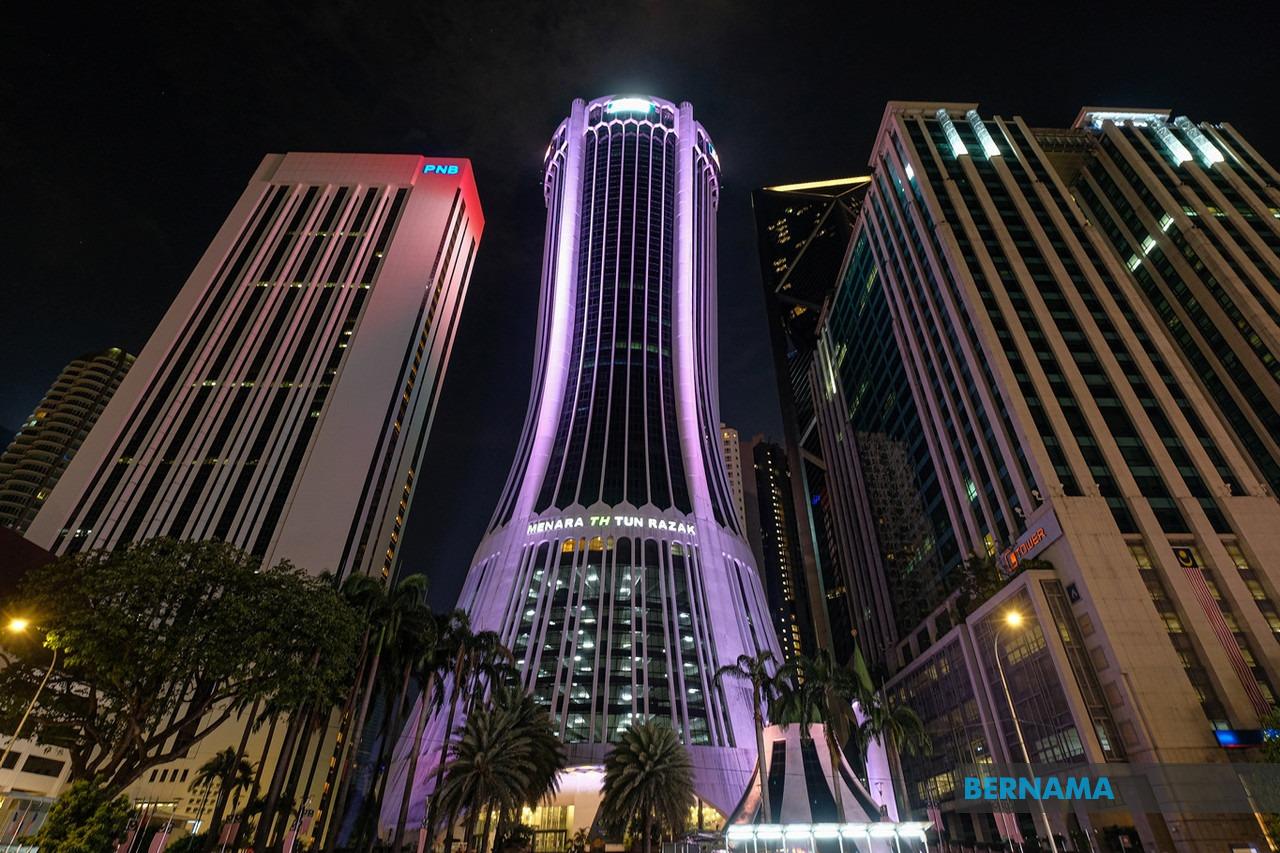
The Malaysian academic community and civil society figures are intensifying calls for the government to immediately publish findings from the Royal Commission of Inquiry into Lembaga Tabung Haji, the state-backed savings scheme serving millions of Muslim pilgrims preparing for the haj. The push for transparency has gained momentum as stakeholders stress that prolonged secrecy erodes public confidence in an institution entrusted with the religious savings of ordinary Malaysians.
Dr Mazlan Che Soh, a political science lecturer at Universiti Teknologi MARA's Seremban campus, has articulated a nuanced position on the matter, emphasizing that disclosure must serve truth-seeking rather than partisan purposes. He argued that while the government should embrace greater openness regarding the inquiry's conclusions, it should resist the temptation to weaponize the report for narrow political advantage or to assign culpability before courts have adjudicated ongoing legal matters. This distinction reflects broader concerns that institutional reform efforts can be compromised when investigations become entangled with electoral calculations.
The significance of Tabung Haji transcends conventional financial services. As an organization holding sacred trust from Muslim Malaysians—accumulating deposits from those saving incrementally toward their once-in-a-lifetime pilgrimage obligation—the institution occupies distinctive moral terrain. The depositors represent a cross-section of Malaysian society, often from modest income brackets, for whom these funds represent profound religious commitment and careful financial discipline. Dr Mazlan underscored that the public, particularly these account holders, possess a legitimate entitlement to comprehend what occurred during the period under investigation, and to understand what institutional deficiencies permitted alleged misconduct.
Transparency mechanisms must balance competing imperatives, Dr Mazlan suggested. The government should craft an executive summary accessible to ordinary citizens, itemize which recommendations from the inquiry have already been implemented, and articulate concrete steps forthcoming. Such an approach would provide the public sufficient information to assess institutional health and governance responsiveness without prematurely poisoning courtroom proceedings or enabling opportunistic political narratives.
While acknowledging that the report's contents might influence electoral sentiment among Malay-Muslim constituencies and Tabung Haji depositors specifically, Dr Mazlan cautioned against exaggerating this political dimension. Voter behavior, he observed, reflects multifaceted considerations extending far beyond any single institutional scandal. Cost-of-living pressures, the effectiveness of state governments, candidate reputation, historical party allegiances, and organizational campaign infrastructure all shape electoral outcomes. An RCI report, however consequential for institutional trust, would constitute merely one variable within this broader constellation of influences.
Dr Jamaie Hamil from Universiti Kebangsaan Malaysia's Faculty of Social Sciences and Humanities expressed frustration with the protracted timeline, noting that governance improvements have already materialized through successive administrations—from the earlier Pakatan Harapan government through to the current MADANI administration. This trajectory suggests that institutional learning has occurred incrementally despite the absence of full public disclosure, yet paradoxically, concealment itself perpetuates uncertainty and erodes depositor confidence.
Civil society engagement has amplified these institutional arguments. Wan Osman Hashim, a septuagenarian retired civil servant, articulated grassroots sentiment through social media, emphasizing the urgency of resolution to prevent further institutional deterioration and to vindicate public expectations of governmental accountability. His call—subsequently amplified by Communications Minister Datuk Seri Fahmi Fadzil through official channels—resonated across digital platforms, demonstrating how institutional governance questions permeate public discourse beyond formal policy circles.
The stakes for Tabung Haji depositors extend beyond financial recovery or accountability for past decisions. Restoration of institutional legitimacy depends fundamentally upon transparent acknowledgment of what transpired and demonstrable commitment to systemic reform. Continued opacity generates rumors, speculation, and ultimately deeper erosion of the confidence essential for an institution predicated upon voluntary participation and long-term savings commitment. For millions of Malaysians, Tabung Haji represents more than an investment vehicle; it embodies their methodical preparation for one of Islam's five pillars.
Prime Minister Datuk Seri Anwar Ibrahim has signaled receptiveness to publishing the inquiry findings, expressing confidence that Cabinet would endorse public disclosure following formal presentation of the report. His position suggests administrative readiness to embrace transparency, contingent upon appropriate vetting and legal considerations. This tentative openness reflects recognition that institutional trust cannot be reconstructed through indefinite confidentiality.
The convergence of academic analysis, civil servant experience, and ministerial indication toward disclosure suggests momentum building for publication. The remaining procedural question centers not on whether the report should be released, but on the timing and format of that release. An expeditious, comprehensive public account would allow Malaysia's Muslim depositor base to move beyond uncertainty toward rebuilding confidence in an institution that carries profound spiritual and financial significance for millions across Southeast Asia's largest Muslim community. The alternative—continued secrecy—risks irreversible institutional damage and sets troubling precedent for governance transparency across government-linked institutions.

