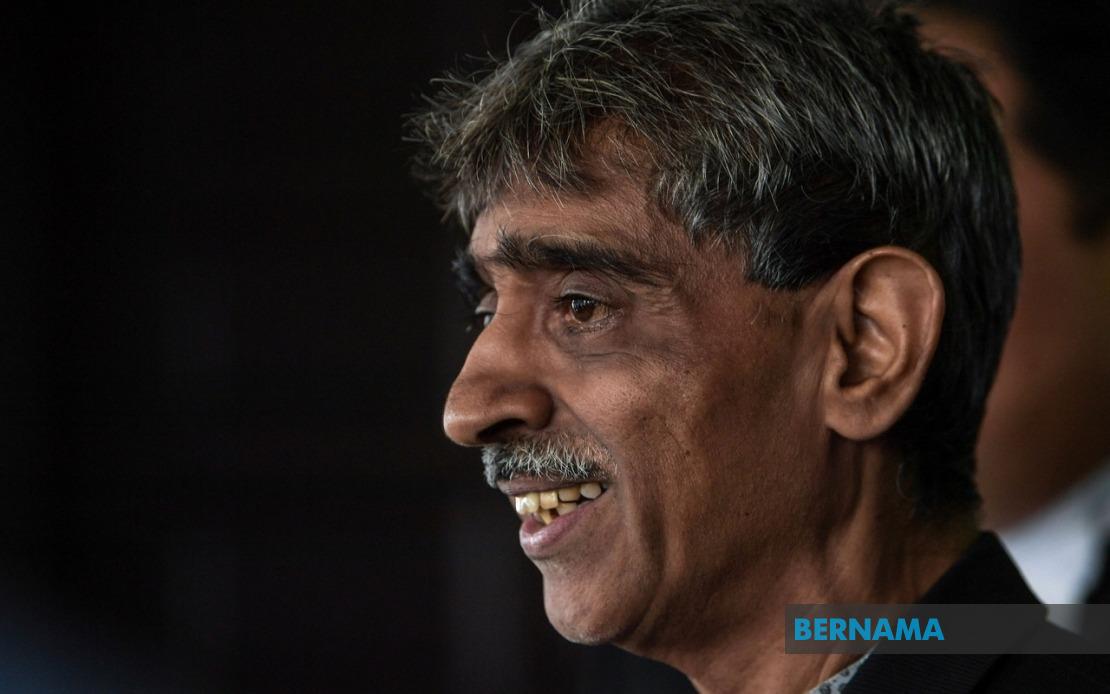
A prominent Malaysian lawyer has called for swift prosecution of individuals implicated in the Tabung Haji controversy once investigation bodies have gathered sufficient evidence, stressing that decisive action regardless of rank is essential to restore public confidence in the pilgrimage fund. Mohamed Haniff Khatri Abdulla, who participated in the Royal Commission of Inquiry proceedings, emphasised that translating the RCI's recommendations into concrete legal action will demonstrate to depositors and the broader public that wrongdoing carries real consequences.
The urgency of moving from investigation to prosecution reflects growing anxiety within Malaysian society over the apparent mismanagement and financial irregularities that prompted the RCI inquiry. For the government to maintain credibility with Tabung Haji's millions of contributors—many from lower and middle-income backgrounds who have entrusted substantial personal savings to the institution—visible accountability mechanisms must follow documented findings. Public patience, however, exists within limits, and the longer prosecutorial action is delayed, the greater the risk that confidence remains eroded.
Yet the transition from inquiry to courtroom prosecution is neither straightforward nor swift. Mohamed Haniff cautioned that concluding one investigation does not mean the entire RCI-related investigation has reached completion. Multiple aspects of Tabung Haji's operations require examination, including governance structures, investment practices, and potential breaches of fiduciary duty. This segmented approach means that authorities may initiate prosecution in certain cases while simultaneously continuing investigations into other allegations stemming from the RCI report.
Managing public perception during this prolonged process represents a significant challenge for Malaysia's law enforcement and prosecutorial agencies. The lawyer recommended that government and enforcement bodies issue regular, staged updates explaining that prosecutions being initiated reflect completed investigative portions where evidence has been secured, while other inquiries remain active. Without such transparent communication, public scepticism could intensify, particularly among those who might interpret delayed action as political manipulation rather than genuine commitment to accountability.
Based on available information, the scope of the investigation is substantial. Nearly 200 individuals have been summoned to provide statements to the Royal Malaysia Police and the Malaysian Anti-Corruption Commission. This scale demonstrates that the RCI inquiry has cast a wide net, examining multiple layers within Tabung Haji's institutional structure and potentially extending to external parties who may have benefited from questionable arrangements. Processing statements from such numbers, cross-referencing documents, and corroborating findings across two separate law enforcement agencies requires meticulous work.
Mohamed Haniff projected that the investigation process could extend three to six months beyond the current timeframe, underscoring that criminal inquiries demand patience and cannot be artificially accelerated without compromising evidentiary integrity. This timeline matters significantly for Malaysian public discourse, particularly if major prosecutions have not materialised within the immediate months following the RCI report's release. The risk of public frustration mounting remains real, especially given longstanding concerns within Malaysia about accountability delays in high-profile cases.
To enhance efficiency and coordination, Mohamed Haniff proposed that the Attorney General's Chambers establish a dedicated special unit dedicated exclusively to Tabung Haji RCI-related investigation papers. This unit, he suggested, should comprise three Deputy Public Prosecutors with specialised expertise in both Malaysian Anti-Corruption Commission cases and conventional criminal law. Such institutional arrangement would ensure integrated evaluation of evidence and coordinated prosecutorial strategy, compensating for the procedural differences between PDRM and MACC investigations.
Former Court of Appeal judge Datuk Yaacob Md Sam reinforced this perspective, noting that RCI findings alone cannot form the basis for prosecution. His experience as a conducting officer in multiple royal commissions of inquiry—including investigations into infrastructure failures—demonstrates that RCI reports are exploratory rather than determinative. Under the Commissions of Inquiry Act 1950, RCI reports carry no legal binding effect and cannot themselves serve as evidence in criminal or civil proceedings. Only evidence gathered through independent enforcement agency investigations meets courtroom evidentiary standards.
This distinction carries profound implications for the Tabung Haji matter and comparable inquiries in Malaysia. An RCI provides findings and recommendations within its terms of reference, but prosecution authorities must independently reconstruct the evidentiary chain through their own investigative mechanisms. Statements taken at an RCI hearing do not automatically translate into admissible courtroom testimony; enforcement agencies must reinterview witnesses, obtain contemporaneous documents, and prepare cases meeting criminal procedure requirements. This largely duplicate investigative effort, while necessary for legal protection, extends timelines considerably.
For Malaysian readers and Tabung Haji stakeholders, this explanation clarifies why investigations continue months after high-profile inquiries conclude. The RCI process, however comprehensive, essentially establishes probable grounds for further investigation rather than providing a complete prosecutorial package. Both the PDRM and MACC must now determine which alleged conduct constitutes prosecutable criminal offences and whether evidence will withstand cross-examination in open court. Some RCI findings may not convert to prosecutable cases, while others may require additional investigative work.
The implications for broader Malaysian governance are noteworthy. As citizens witness multiple high-profile cases involving state institutions and prominent individuals, the gap between investigation findings and prosecution decisions generates legitimate questions about institutional independence and political influence. The Tabung Haji RCI prosecutions will serve as a test case for whether Malaysian law enforcement and prosecutorial agencies can move expeditiously once evidence warrants action, or whether systemic delays and perceived reluctance will continue characterising accountability efforts.
For depositors and the Malaysian public, the clear message from these legal experts is that accountability will occur, but not instantaneously. Sufficient evidence must first be gathered, carefully evaluated, and translated into prosecutorial briefs capable of withstanding judicial scrutiny. The authorities have signalled commitment to pursuing wrongdoing, and the establishment of dedicated investigative resources could accelerate progress. Ultimately, sustained transparency about investigation progress and staged prosecutorial action may prove as important as the outcomes themselves in restoring public confidence in Tabung Haji and Malaysian institutions more broadly.

