A coordinated nationwide effort to communicate the findings of the Royal Commission of Inquiry into Lembaga Tabung Haji (TH) will utilise the country's network of Islamic scholars and religious leaders, according to Datuk Seri Dr Mujahid Yusof Rawa, the former Minister in the Prime Minister's Department (Religious Affairs). The initiative represents a significant attempt to ensure that the 9.7 million depositors and the broader Muslim community gain a thorough grasp of how the institution managed their savings following the damaging revelations from the RCI investigation.
The campaign will operate through multiple channels, including mosques, surau, schools, government departments, colleges, universities and various community education platforms. This multi-layered approach acknowledges the diverse ways in which Malaysians engage with information and their trust in different institutions. By leveraging spaces and figures with existing credibility within communities, the campaign aims to translate the technical and often complex findings of the RCI into accessible explanations that resonate with ordinary depositors and their families.
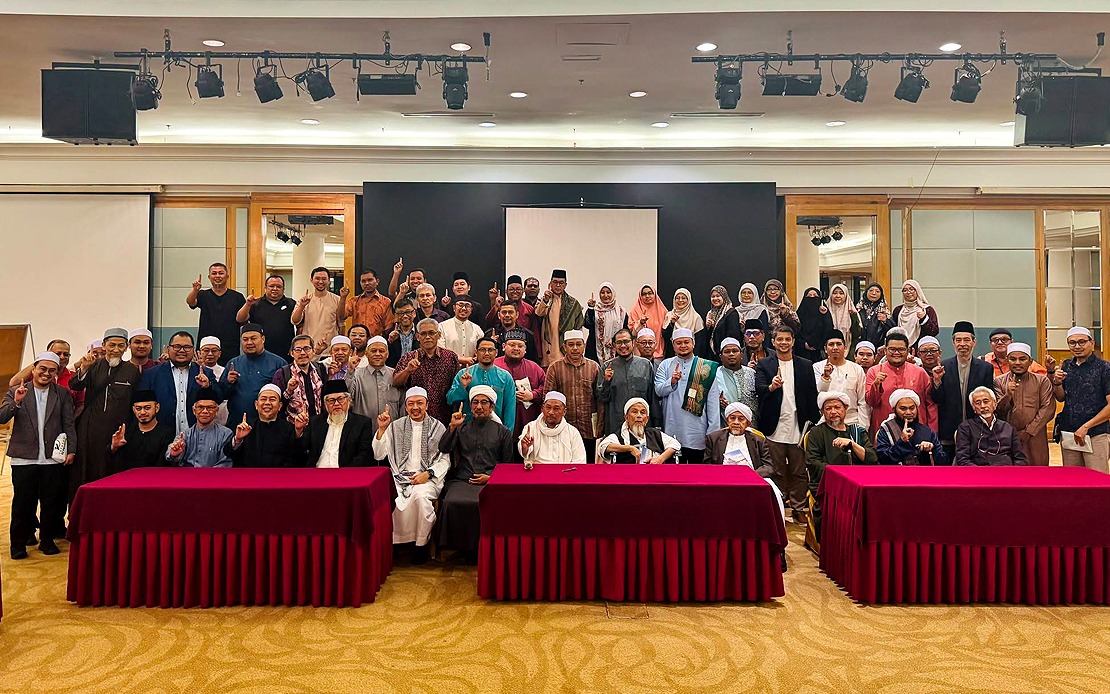
The foundation for this outreach effort was laid during a special conference titled Hifz al-Mal, which convened more than 100 religious scholars and leaders from across Malaysia. This gathering, held at De Palma Hotel in Ampang, sought to align religious leadership with the imperative to communicate the RCI findings clearly while reinforcing the concept that protecting Tabung Haji's assets is a collective responsibility rooted in Islamic principles. The conference's title invokes the Islamic principle of Hifz al-Mal—the protection of wealth—a concept particularly resonant given Tabung Haji's fundamental role in safeguarding the life savings of millions of Malaysian Muslims earmarked for the hajj pilgrimage.
What distinguished this conference was its deliberately interdisciplinary composition. Alongside Islamic scholars and pondok academics, the gathering included chartered accountants, economic commentators, legal practitioners, and religious educators. This combination reflected an understanding that the RCI findings touch upon multiple dimensions—religious, financial, economic, accounting, legal and governance—each requiring specialised expertise to explain effectively. By bringing these perspectives together, organisers ensured that the campaign could address concerns at various levels, from the spiritual obligation to protect community assets to the technical mechanisms of fund management.
Mujahid emphasised that the core objective of the initiative is straightforward yet profound: to ensure facts are explained transparently, to restore and maintain public trust, and crucially, to prevent future misuse of depositors' assets. His statement that Tabung Haji represents a trust held on behalf of the Muslim community frames the challenge not merely as an institutional accountability issue but as a matter of Islamic obligation. This reframing is strategically important for Malaysia, where religious legitimacy carries considerable weight in public discourse and institutional credibility.
The Malaysian Ulama Secretariat spearheaded the conference organisation in collaboration with Malaysian Ulama Council Spiritual Leader Abdul Rahim Abdul Rahman, indicating high-level endorsement from Malaysia's primary religious institutional structures. This alignment is significant because it suggests that the response to the RCI findings enjoys support from the country's most influential Islamic authorities, potentially giving the communication campaign greater resonance among Muslim communities who respect these institutions' guidance.
For Malaysian readers and Southeast Asian observers, this initiative illustrates how countries address institutional failures that strike at the heart of community trust. Tabung Haji occupies a unique position in Malaysia's financial ecosystem—it is simultaneously a practical savings mechanism and a sacred obligation facilitator, combining commercial banking functions with religious significance. When such institutions falter, the damage extends beyond financial loss to encompass spiritual betrayal and communal disillusionment. The decision to mobilise religious leadership for explanation and restoration therefore represents a holistic approach to institutional recovery.
The conference sessions examined the RCI findings from multiple professional perspectives while also articulating the role that religious figures and community members must play in understanding and protecting the institution going forward. This two-way framing—explaining what happened while empowering communities as guardians of the trust—moves beyond mere damage control toward structural accountability. It acknowledges that without community vigilance and understanding, institutional safeguards remain fragile.
The nationwide reach of this campaign carries implications beyond Tabung Haji itself. Malaysia's regulatory environment and institutional accountability structures face ongoing scrutiny, particularly regarding fiduciary responsibilities in religiously significant institutions. This awareness campaign demonstrates that addressing such failures requires engagement across multiple spheres—religious, professional, educational, and governmental. The success or failure of this initiative may therefore influence how Malaysian authorities approach public trust restoration in similar situations, setting precedents for institutional communication during crises.
For the broader Southeast Asian region, Malaysia's approach offers a case study in leveraging cultural and religious institutions to rebuild confidence following investigative revelations. Many countries in the region contain populations with similar trust relationships with religiously affiliated financial or social institutions. The strategy of mobilising religious leadership to explain technical findings could serve as a model, albeit one requiring adaptation to local institutional contexts and theological frameworks. The emphasis on multidisciplinary understanding—combining religious, financial, and legal expertise—reflects contemporary best practices in institutional accountability that resonate across diverse governance contexts.

