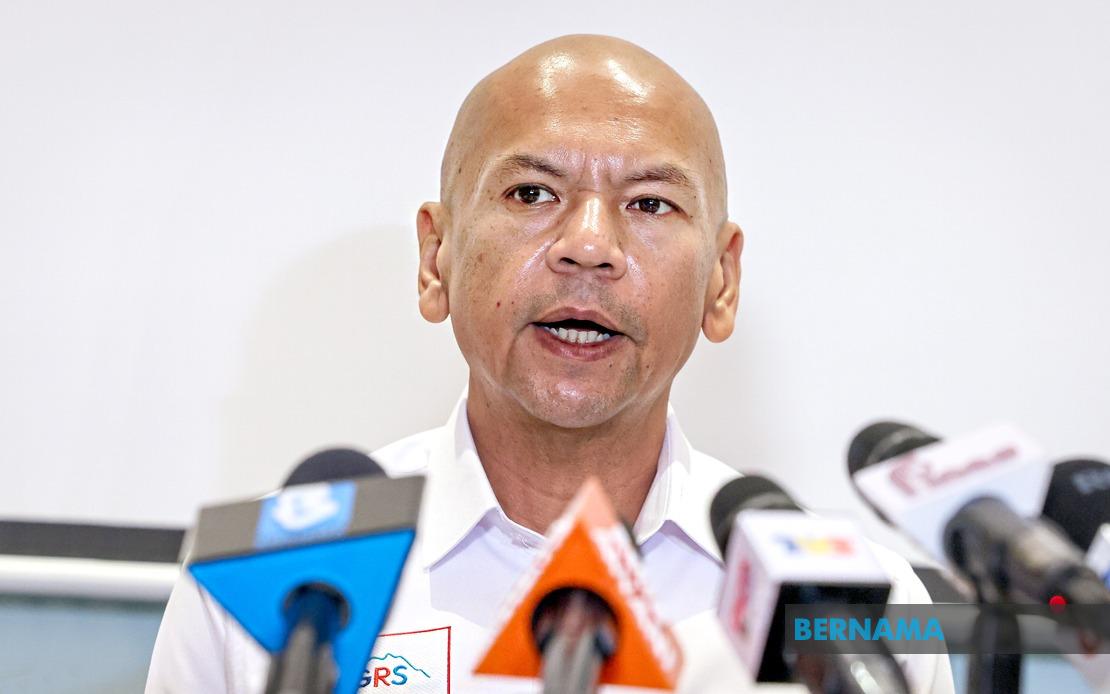
The Malaysian government is moving to intensify its consumer assistance strategy by expanding the Rahmah MADANI Sales Programmes, with plans to hold the discounted goods events more frequently than the current nine times monthly schedule. Datuk Armizan Mohd Ali, the Domestic Trade and Cost of Living Ministry (KPDN) minister, unveiled the initiative during a press conference in Labuan on July 19, signalling a commitment to ease the financial strain on households navigating persistently elevated prices for everyday essentials.
The Rahmah MADANI Sales Programmes represent a targeted intervention designed to provide tangible relief at the point of purchase. By offering essential commodities at markdowns ranging from 10 to 30 per cent below standard retail prices, the initiative directly addresses consumer purchasing power—a critical concern as inflation continues to outpace wage growth across the region. The existing cadence of nine monthly events has already positioned the programme as a regular fixture in the government's cost-of-living toolkit, yet the proposed acceleration suggests recognition that current frequency remains insufficient to meet demand or adequately cushion price pressures.
Armizan emphasised that the expansion would be calibrated to reflect local circumstances, with particular attention to districts where residents face disproportionately high costs. This geographic sensitivity reflects a sophisticated understanding of Malaysia's economic unevenness; prices and procurement challenges vary dramatically between urban centres, rural areas, and peripheral regions. The approach acknowledges that one national policy cannot uniformly address disparities rooted in supply chain efficiency, transportation infrastructure, and market concentration.
Labuan emerged as a focal point for discussion, exemplifying the structural price differentials that plague island and remote communities. The federal territory's isolation from mainland Sabah necessitates costly logistics, rendering even basic groceries substantially more expensive for residents. Armizan recognised this dynamic explicitly, committing the KPDN to investigate mechanisms that could specifically mitigate Labuan's transportation cost burden. Similarly, Limbang in Sarawak was identified as facing analogous challenges, prompting the ministry to undertake a comprehensive study toward identifying durable solutions rather than relying solely on periodic discount sales.
The proposed investigation into long-term remedies signals a potential pivot beyond temporary relief measures toward structural reform. Collaboration with the Finance Ministry indicates that any solution may encompass fiscal incentives, subsidy frameworks, or infrastructure investment designed to normalise pricing parity. This institutional coordination underscores the complexity of addressing regional price disparities—a challenge that transcends the KPDN's traditional purview and demands whole-of-government engagement.
Yet the expansion strategy confronts a legitimate tension: the needs of hard-pressed consumers must be weighed against the viability of small retailers who depend on consistent customer traffic and margins. Grocery shop owners have raised concerns that proliferating discount events could cannabilise their regular sales, undercutting their ability to sustain operations and maintain employment. This retail sector anxiety reflects the reality that aggressive price interventions, while popular with consumers, can unintentionally harm the very community enterprises that anchor local economies, particularly in smaller towns and villages.
Armizan's acknowledgement of this dilemma demonstrates policy maturity. Rather than dismissing retailer concerns as mere self-interest, the ministry has committed to strategic scheduling and location selection that balance consumer benefit against merchant viability. This calibration is essential for long-term programme sustainability; if small retailers are progressively squeezed out of the market, consumers ultimately benefit less from a healthier competitive landscape of diverse vendors. The approach also implicitly recognises that excessive intervention can inadvertently concentrate retail power among larger chains better positioned to absorb promotional discounting.
The careful coordination required to expand the Rahmah MADANI Sales Programmes reflects broader governance challenges facing Malaysia as cost-of-living anxieties intensify. Policymakers must navigate competing stakeholder interests—consumers demanding affordable goods, retailers defending livelihoods, and government agencies managing limited intervention resources. The ministry's commitment to transparency, evidenced by the public calendar of upcoming sales events available on the KPDN portal, suggests a commitment to accessible information that empowers residents to plan household budgets around predictable discount windows.
For Malaysian consumers, particularly lower and middle-income households where essential goods spending consumes a substantial income share, the acceleration of Rahmah MADANI Sales events offers concrete monthly relief. Families can strategically time larger purchases around the discount events, effectively augmenting purchasing power without awaiting wage increases that may lag inflation. Across Southeast Asia, where cost-of-living pressures similarly burden residents, Malaysia's approach offers a replicable model blending consumer protection with retailer sustainability considerations.
The expansion strategy also carries broader economic implications. By preserving consumer demand through targeted price relief, the government supports retail sector sales volumes and employment, creating a virtuous cycle where maintained demand sustains business activity. Conversely, excessive income erosion from inflation could depress consumption, triggering business contraction and job losses that compound household hardship. The Rahmah MADANI Sales Programmes thus function as a demand-stabilisation tool alongside their immediate consumer assistance function.
Moving forward, the KPDN's undertaking to study region-specific solutions and coordinate across government agencies suggests that the expansion of regular sales events may be only one element of a more comprehensive living cost strategy. Whether supplemented by subsidy schemes, logistics improvements, or regulatory interventions remains to be detailed, but the ministry's explicit commitment to examine long-term mechanisms indicates that policymakers recognise the limitations of temporary discounts as a sustainable remedy for structural price disparities.

