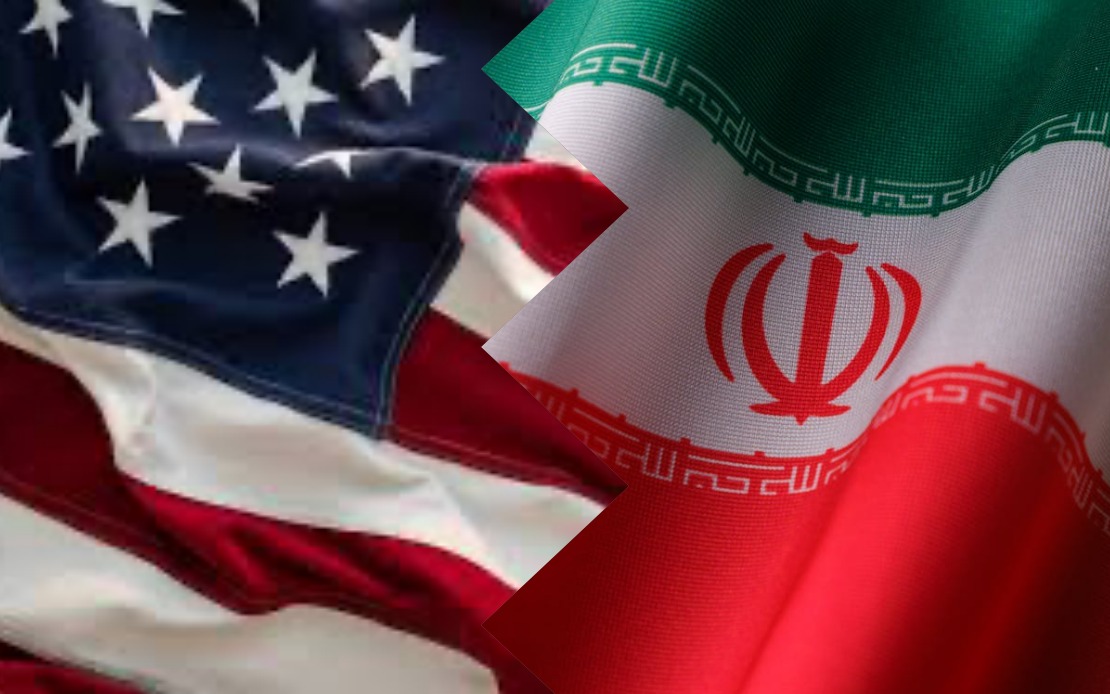
Qatar has reported tangible progress from indirect diplomatic discussions between the United States and Iran conducted in Doha, marking another chapter in the delicate mediation efforts that have characterised regional relations in recent months. The latest round of talks involved separate meetings between American and Iranian delegating teams facilitated by both Qatari and Pakistani intermediaries, according to a statement from Qatar's Foreign Ministry spokesman Majed Al Ansari released on the X platform.
The negotiations focused specifically on implementation matters tied to the Islamabad Memorandum of Understanding, a diplomatic framework that has emerged as central to efforts aimed at stabilising bilateral ties between Washington and Tehran. The discussions were framed as a continuation of momentum generated during the Lake Lucerne Summit, suggesting that multiple diplomatic channels and international venues are being leveraged simultaneously to advance dialogue between the two long-adversarial powers.
For Southeast Asian observers and policymakers, these developments warrant close attention given the region's exposure to broader geopolitical tensions. The US presence in the Indo-Pacific and Iran's strategic interests in regional trade routes mean that any escalation or de-escalation in their relationship carries implications for shipping lanes, energy security, and regional stability that directly affect Malaysian and ASEAN-member economies.
The timing of the Doha meetings reflects careful diplomatic choreography. The talks concluded just as Iran entered a period of significant national mourning following the February 28 death of former Supreme Leader Ali Khamenei in what Iran attributed to a US-Israeli military strike. His funeral ceremony, scheduled for Friday, represented a critical juncture in Iranian politics and required sensitivity from all negotiating parties.
Qatar's role as mediator underscores the Gulf nation's continued strategic importance in facilitating dialogue between antagonistic regional and international actors. Having previously played similar roles during the Taliban's return to power in Afghanistan and in Palestinian-Israeli disputes, Qatar has positioned itself as an indispensable neutral ground where adversaries can communicate through intermediaries without direct confrontation.
The involvement of Pakistan alongside Qatar in the mediation process signals broader regional investment in achieving diplomatic resolution. Pakistan's historical influence in Iranian affairs and its relationship with Washington make it a credible co-mediator, though the country faces its own complex balancing act in maintaining relations with both parties simultaneously.
Both delegations expressed commitment to resuming discussions in coming weeks, though the specific timing remains contingent on Iran's transition period following Khamenei's death. This flexible approach suggests realistic acknowledgement that internal Iranian political processes cannot be rushed, and that premature pressure might prove counterproductive to long-term diplomatic objectives.
The emphasis on "positive progress" rather than breakthrough agreements reflects the incremental nature of US-Iran diplomacy. These nations have not maintained formal diplomatic relations since 1979, making even modest forward movement on technical implementation matters noteworthy. The focus on the Islamabad Memorandum indicates negotiators are concentrating on concrete, actionable agreements rather than attempting comprehensive normalization, a pragmatic approach that increases the likelihood of success.
For Malaysia and other ASEAN members invested in regional security, the significance of these talks extends beyond bilateral US-Iran relations. A sustained improvement in US-Iran tensions could reduce the risk of military escalation that might disrupt critical shipping lanes through the Strait of Hormuz, through which a substantial portion of Southeast Asian energy imports transit. Malaysia itself, as a significant energy consumer and major shipping hub, would benefit materially from de-escalation in the Persian Gulf.
The diplomatic framework being negotiated also carries implications for broader regional architecture in Asia. As the United States and China compete for influence across the Indo-Pacific, America's engagement in managing Middle Eastern tensions affects its capacity and focus for regional commitments. Similarly, Iran's international orientation influences the geopolitical landscape that shapes opportunities and constraints for Southeast Asian nations.
The next scheduled meeting between delegations represents a concrete commitment to sustained engagement rather than a temporary diplomatic pause. The decision to schedule rather than cancel future discussions despite Khamenei's death demonstrates determination from both sides to maintain diplomatic momentum, suggesting that internal power transitions in Iran will not derail the negotiation process.
As Malaysia and regional partners monitor these developments, the outcome of US-Iran negotiations carries relevance for broader international rules-based order. Whether direct adversaries can achieve meaningful progress through patient, mediated dialogue offers lessons and precedents for other regional disputes. The role of dedicated mediators like Qatar and Pakistan also reinforces the value of neutral states willing to invest diplomatic resources in facilitating international agreements, a model that Southeast Asian nations might apply to their own regional challenges.

